



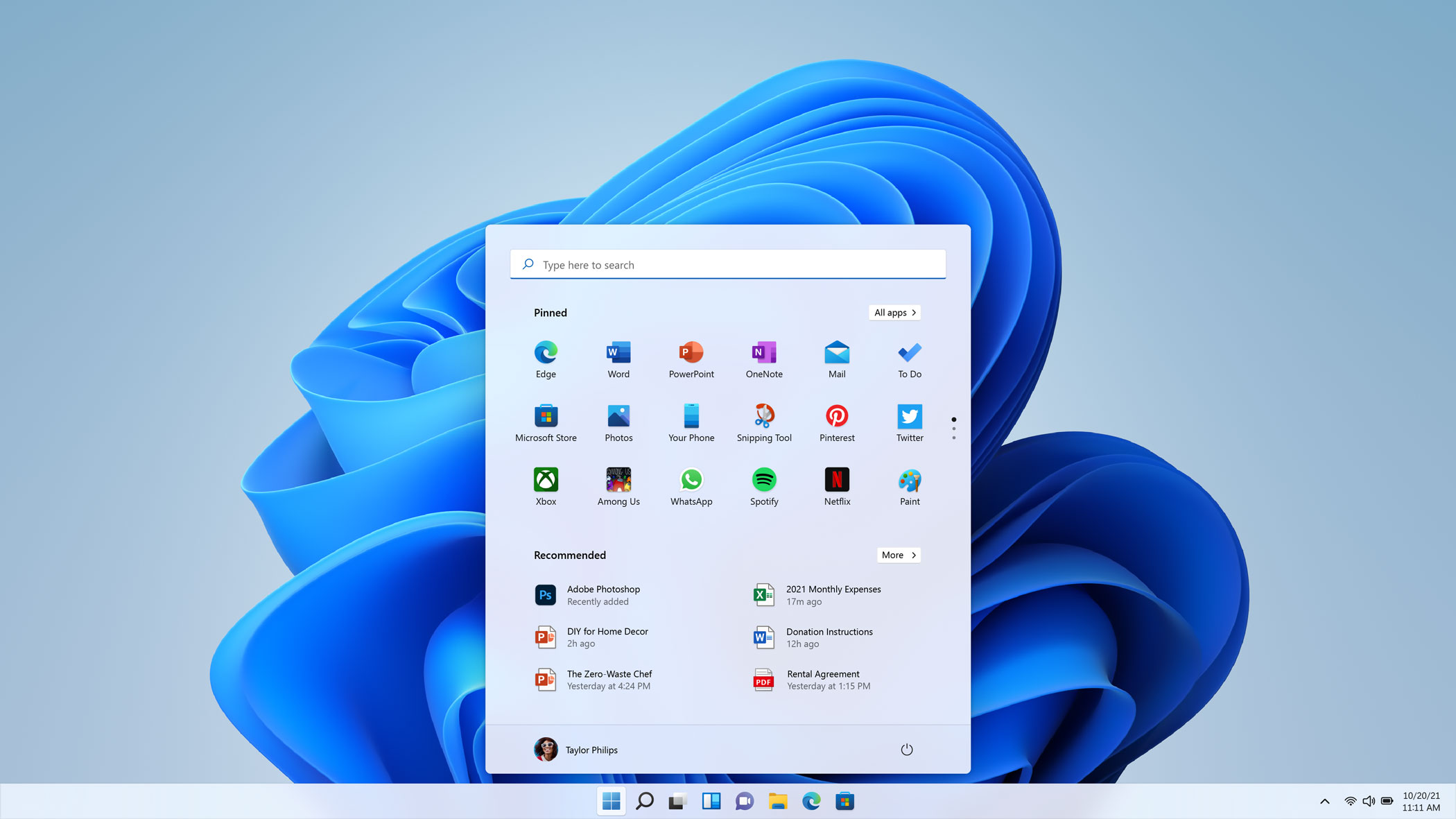
Microsoft’s Mark Russinovich recently explained that the Win32 API remains a core part of Windows in 2026. Win32 became widely known during the Windows 95 era, though it also appeared earlier in Windows NT. Today, it still supports many basic desktop functions and remains essential for a huge number of Windows apps.
That means when you do simple things like right click a file or open a traditional desktop program, parts of the system still rely on technology that was designed in the 1990s.
Russinovich said nobody at the time expected Win32 to remain a first class Windows API this long. The expectation was that computing would move on much faster. Instead, Win32 became a foundation for the Windows ecosystem. Too many apps, tools, and technologies were built on top of it for Microsoft to simply remove or replace it.
Microsoft has tried to create newer Windows app platforms over the years. WinRT was one attempt to modernize the Windows API model, but it never replaced Win32 in the way some people expected. Traditional desktop software remained too important, while browsers and web apps grew in their own direction.
That is why Win32 still matters. It may be old, but it is not dead. It continues to work because it gives developers compatibility, stability, and access to features that many Windows programs still need.
This also explains one of Windows’ biggest strengths and biggest problems. Microsoft keeps supporting old software, which helps businesses and longtime Windows customers. At the same time, that backward compatibility makes Windows harder to modernize cleanly.
Russinovich also pointed to other older Microsoft tools that are still active today, including Sysinternals, Sysmon, and ZoomIt. Like Win32, they show that older technology can remain useful when people continue to depend on it.
The lesson is simple. Windows 11 may look modern on the surface, but its strength still comes from layers of older technology underneath. Win32 has survived because the Windows ecosystem is too large and too dependent on it to move away quickly.

Discussion (0)
Be the first to comment.