




Choosing the right coaxial cable is one of the most important steps in setting up a reliable TV antenna. The cable you use directly affects picture quality, signal strength, and how well your antenna performs over time. If you've ever wondered "what kind of coaxial cable do I need for TV antenna" setups, this guide breaks down everything in simple terms.
TV antennas rely on coaxial cables to carry signals from the antenna to your television. But not all coax cables deliver the same performance. Factors like distance, outdoor conditions, shielding, and the type of signal in your area all matter. Understanding the differences ensures you get strong reception without noise, interference, or unnecessary signal loss.
Understanding How Coaxial Cables Work

All coaxial cables share the same basic structure: a copper conductor, insulating dielectric layer, metal shielding, and a protective outer jacket. These layers protect the signal from interference and help maintain picture quality.
The main difference between cable types comes down to shielding quality, thickness, and the materials used. These differences affect how much signal reaches your TV after traveling through the cable.
Factors To Consider Before Choosing A Coaxial Cable
Before selecting the best coaxial cable for TV antenna reception, review these key factors. They ensure you pick a cable suited for your home layout and signal environment.
- Signal Strength In Your Area: Weak signals need cables with stronger shielding and lower signal loss.
- Cable Length: Longer cable runs increase signal loss. Heavier cables perform better over long distances.
- Indoor vs. Outdoor Setup: Outdoor installations need weather-rated cables for durability.
- Interference Sources: Nearby electronics or Wi-Fi emitters may require better shielding.
- Future Upgrades: If you plan to use 4K or ATSC 3.0 broadcasts in the future, choose a cable that supports higher bandwidth.
RG6 Coaxial Cable
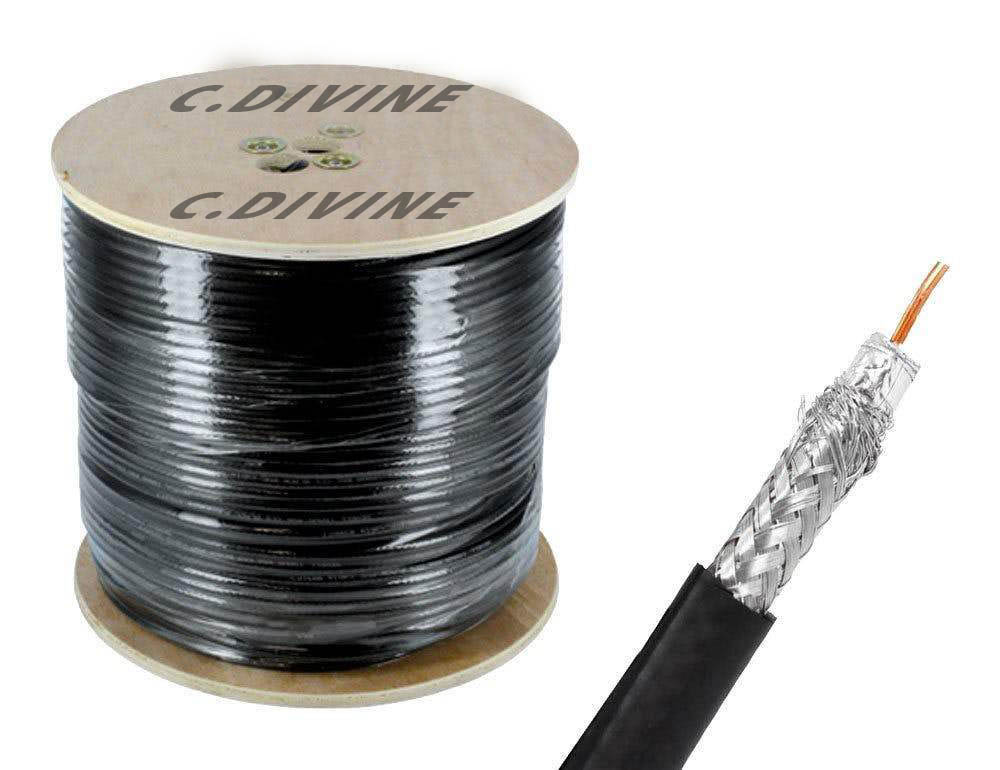
RG6 is the most commonly recommended cable for modern TV antenna setups. It offers strong shielding, low signal loss, and wide compatibility with indoor and outdoor antennas.
- Best choice for most households
- Handles HD, 4K, and long-distance runs well
- Stronger shielding reduces interference
Because RG6 balances price and performance, it is the preferred option for most rooftop antennas, attic installations, and long cable runs inside the home.
RG11 Coaxial Cable

RG11 is a heavier, thicker cable designed for long-distance signal delivery. It has lower signal loss than RG6 but is harder to install because of its stiffness.
- Ideal for cable runs longer than 150 feet
- Low signal loss over long distances
- Great for outdoor, underground, or commercial setups
Most homeowners only need RG11 when their antenna is installed far from their TV or distribution point.
RG59 Coaxial Cable
RG59 is an older cable type with higher signal loss. It works well for short indoor runs but is not ideal for digital TV broadcasting.
- Not recommended for long distances
- Weaker shielding than RG6 and RG11
- Best suited only for legacy systems
Which Coaxial Cable Should You Choose?
For most TV antenna setups, RG6 is the best overall choice. It offers low signal loss, strong shielding, and works with both indoor and outdoor antennas. If you need long-distance performance, RG11 is the better upgrade.
- Choose RG6: Best balance of performance and price.
- Choose RG11: Long cable runs or weak broadcast areas.
- Avoid RG59: Too outdated for modern OTA digital signals.
Troubleshooting Common Problems
- Weak or Pixelated Channels: Replace old RG59 cables with RG6 or RG11.
- Signal Drops When It Rains: Use weather-rated outdoor cable and check connectors for corrosion.
- Interference From Wi-Fi: Switch to quad-shield RG6 to reduce noise.
- No Signal Detected: Ensure connectors are tight and not damaged.
- Long Cable Runs Causing Loss: Upgrade to RG11 or reduce cable length where possible.
Tips
- Use compression connectors for the most stable signal.
- Keep cable runs as short as possible.
- Avoid running coax cable parallel to power lines.
- Choose outdoor-rated coax with UV protection for roof antennas.
- Label your cables during installation for easier troubleshooting later.
FAQ
Which coaxial cable gives the best signal quality?
RG6 provides the best balance of signal strength, shielding, and affordability.
Can I use cable TV coax for an antenna?
Yes, if it is RG6. Older RG59 cable TV lines may reduce digital TV performance.
Is RG11 worth it for home use?
Only if your cable run is very long or you are splitting the signal to multiple rooms.
Do different coax cables affect 4K broadcast quality?
Yes. Poor shielding or outdated cable can weaken signals and reduce picture clarity.
Does outdoor cable really matter?
Yes. Outdoor-rated coax protects against UV damage, moisture, and temperature changes.
Summary
- RG6 is the best all-around coaxial cable for most TV antennas.
- RG11 is ideal for long distances and weak signal environments.
- RG59 is outdated and should be avoided for modern digital TV.
- Shielding quality and cable length directly affect signal strength.
- Outdoor installations require weather-rated coax for reliability.
Choosing the right coaxial cable ensures strong, stable over-the-air reception and better picture quality for your TV.


Discussion (0)
Be the first to comment.