



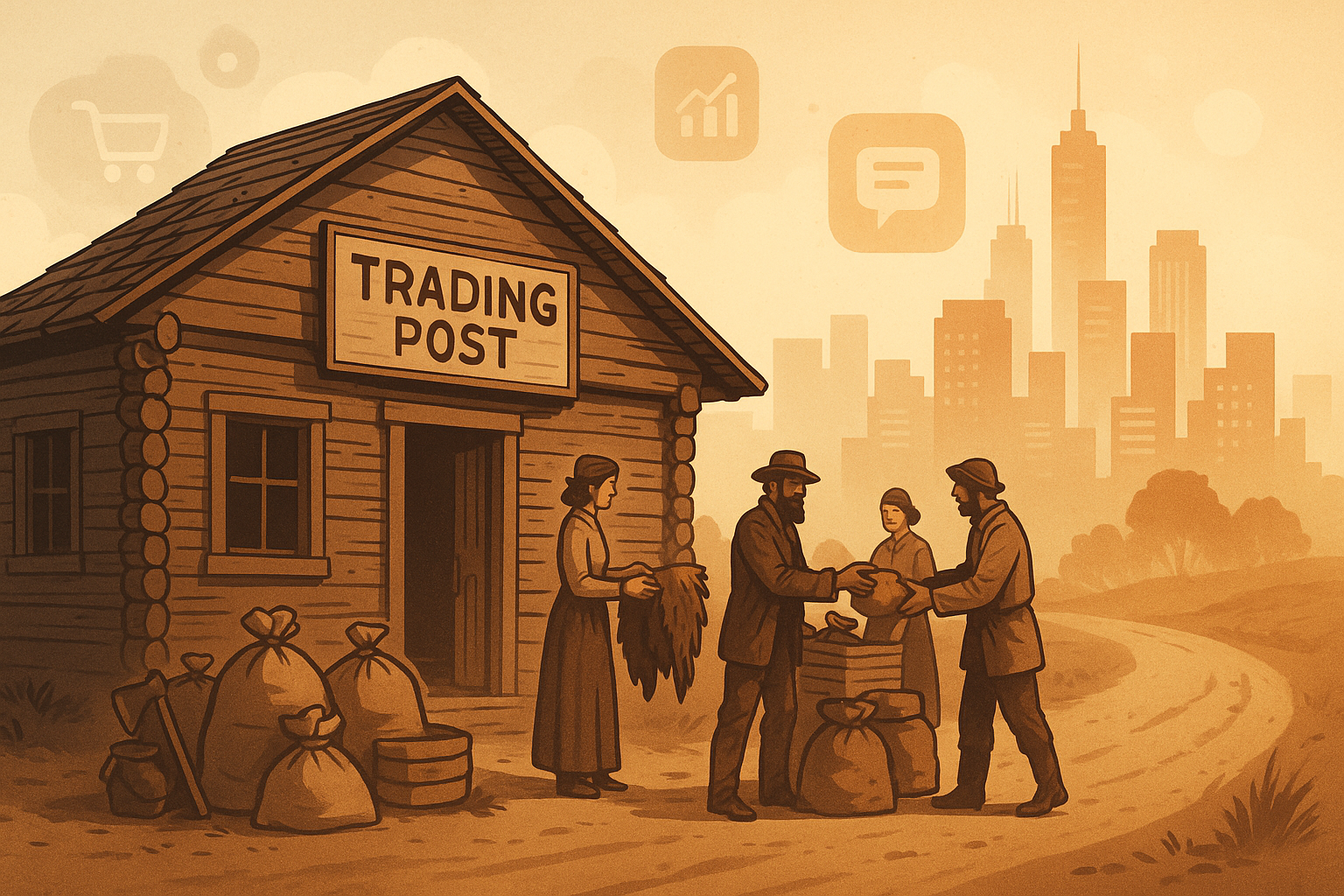
If you have ever seen the phrase and asked yourself what is a trading post, you are not alone. The term started as a description for remote stores and small settlements where people exchanged local products for supplies, but it has evolved to include online platforms and even parts of stock exchanges.
Understanding the full trading post meaning helps you see how these hubs shaped global trade, supported early trading empires, and still influence how we buy and sell at the time of writing.
Trading Post Definition And Core Meaning
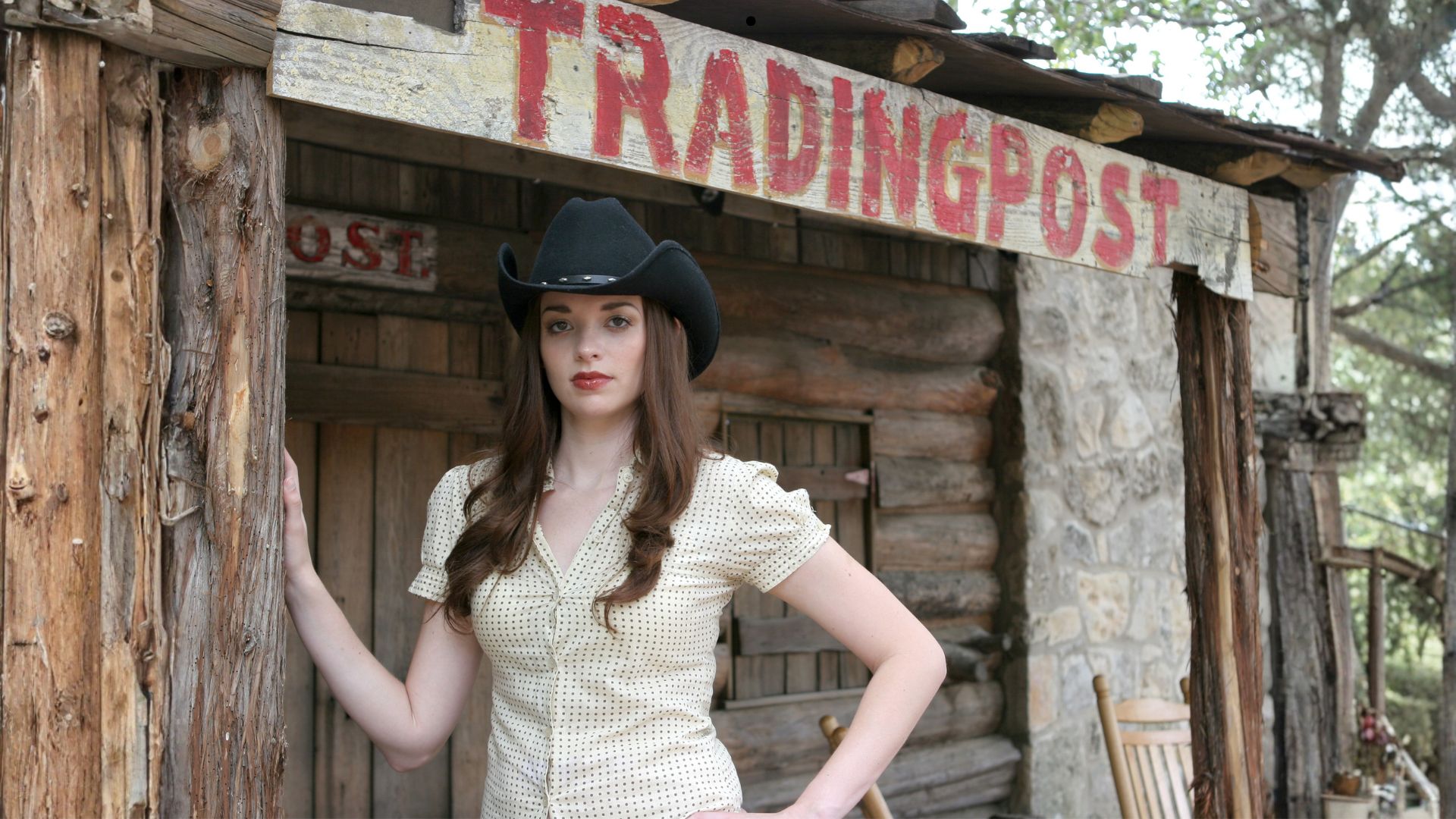
In its classic sense, a trading post is a store, fort, or small settlement in a sparsely populated region that acts as a center for buying, selling, and bartering goods. It connects people who have surplus local products with traders who bring manufactured items, tools, and other supplies.
Modern dictionaries describe a trading post as a general store in an unsettled region or a remote town built around trade. Some sources also extend the trading post definition to a booth on a stock exchange floor where a particular security is traded.
Today, people sometimes use trading post as a broader term for any place, physical or digital, where goods and services change hands in a focused trading hub.
Historical Background Of Trading Posts

Historically, trading posts appeared wherever long-distance trade routes met local producers. Ancient river ports, Silk Road cities, and coastal entrepôts all worked as early trading post examples, even if they did not always use that exact name.
During the Age of Exploration, European powers built a trading post empire, especially along the coasts of Africa, India, and Southeast Asia. These posts, often called factories, let them control spice, textile, and precious metal flows without conquering entire regions.
In North America, fur companies and colonial powers set up frontier trading posts where Indigenous communities exchanged furs and local products for European tools, weapons, cloth, and other goods. Many modern cities started as small trading posts that later grew into major ports.
How A Traditional Trading Post Worked
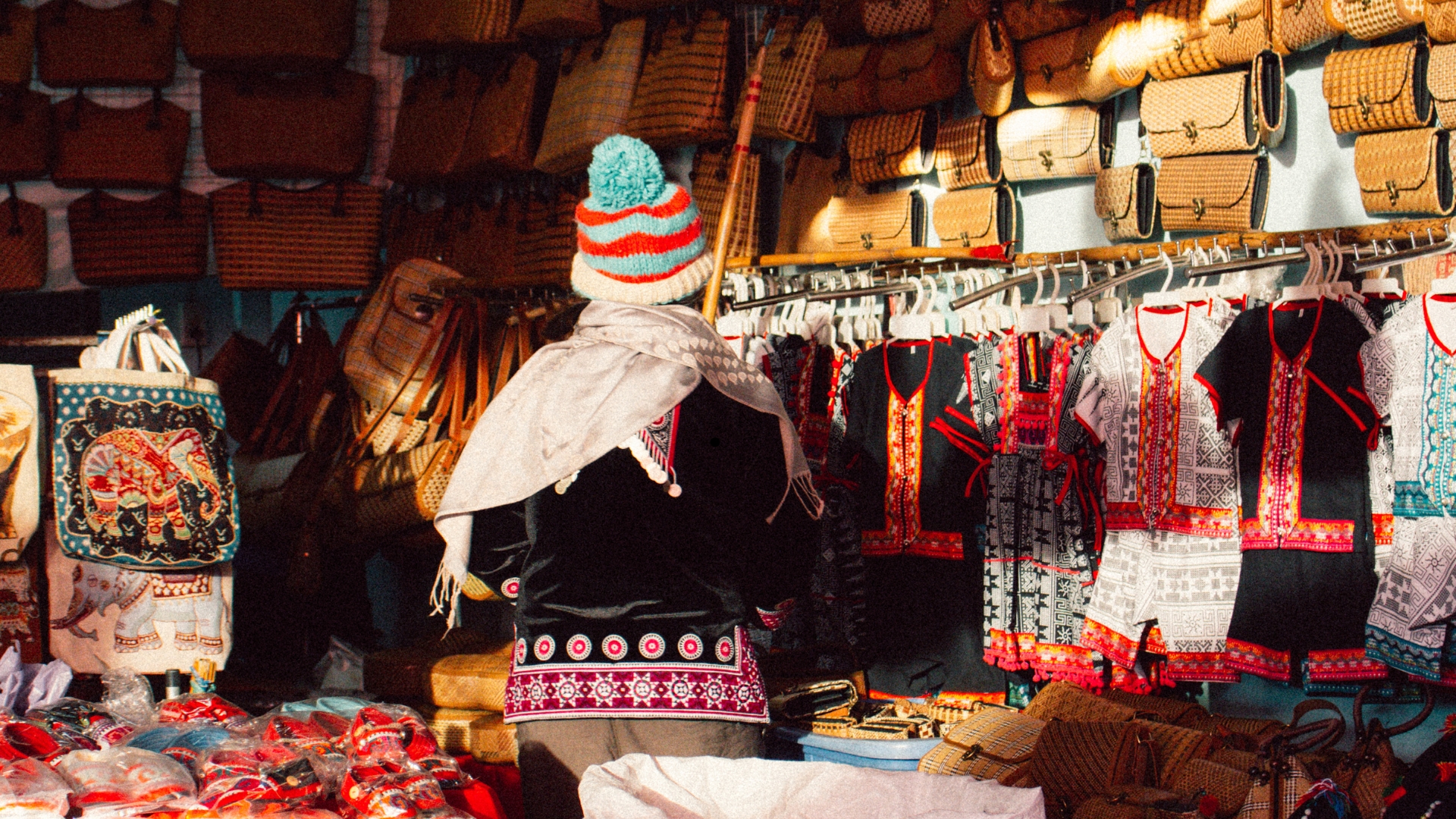
Traditional trading posts sat in strategic locations near rivers, coasts, or crossroads, making access easier for local communities and long-distance merchants. The basic trading post meaning in daily life was simple: it was the place you went when you wanted to swap what you had for what you needed.
In many historical trading posts, exchanges happened through barter rather than cash. A hunter might bring furs and leave with tools, blankets, or food, with values negotiated on the spot.
Beyond trade, the post also worked as an information center, where people shared news, politics, and market trends, much like a physical news feed for the region.
Goods Traded At A Trading Post
The goods you found at a trading post depended on the region and era, but the mix usually covered basic needs and high value items that traveled well over long distances.
- Local Products: Furs, hides, grains, dried fish, timber, and other raw materials.
- Imported Supplies: Clothing, blankets, metal tools, cooking pots, weapons, and ammunition.
- Exotic Goods: Spices, fine fabrics, sugar, tea, and luxury items from distant markets.
- Precious Metals And Gems: Gold, silver, and small high value items used for wealth storage and trade.
This mix made the trading post a one-stop hub for both everyday essentials and status goods, which encouraged repeat visits and deeper trade relationships.
Key Functions Of A Trading Post
When you ask what is a trading post in practical terms, you are really asking about the roles it plays in the local economy and wider trade network.
- Trade Facilitation: Provides a central, trusted place where buyers and sellers meet and exchange goods.
- Price Discovery: Concentrates supply and demand so traders can see going rates and negotiate fair values.
- Cultural Exchange: Brings together people from different communities and cultures, spreading ideas and practices.
- Information Hub: Acts as a news center for politics, weather, travel conditions, and market signals.
- Revenue Source: Lets authorities collect taxes, tariffs, or trading fees on goods moving through the post.
Over time, these functions helped trading posts grow from simple stores into important anchors for early towns and cities.
Role Of Trading Posts In Economic Development
Trading posts supported economic development by turning isolated production into part of a larger trading system. They gave local producers a path to regional and international markets instead of limiting them to nearby buyers.
At a regional level, a dense network of trading posts helped form trade corridors that later attracted roads, ports, banks, and other infrastructure. These corridors often became the backbone of early trading empires and colonial economies.
On a social level, trading posts created jobs, encouraged entrepreneurship, and accelerated the spread of technology, from new farming tools to navigation techniques.
Famous Trading Post Examples
History offers many famous trading post examples that later grew into key cities or cultural landmarks.
- Silk Road Cities: Hubs along the Silk Road worked as trading posts connecting Asia, Europe, and North Africa through silk, spices, and precious goods.
- North American Fur Posts: Forts and river posts run by companies like the Hudson’s Bay Company and the American Fur Company concentrated the fur trade and shaped settlement patterns.
- Portuguese And Dutch Coastal Posts: Factories along the coasts of India, Africa, and Southeast Asia anchored early European trading post empires focused on spices and textiles.
- Remote Regional Posts: Smaller posts, such as the Willamette Trading Post in Oregon Country or river posts in West Africa, channeled local products into global networks.
In many cases, what started as a small trading post eventually grew into a permanent settlement and then into a major town or city.
Modern Meaning Of Trading Post
The modern trading post meaning stretches beyond remote frontier stores. At the time of writing, you will see the term used for camp stores, general stores in rural areas, online classifieds, and even specialized e-commerce sites.
Some dictionaries explicitly include a website where people can buy and sell things as a type of trading post, highlighting how the concept moved into the digital world.
In finance, trading post can also refer to a booth or location on a stock exchange floor dedicated to a specific security or group of securities, which connects the term to modern trading venues.
How A Modern Online Trading Post Works
Digital marketplaces often operate like an electronic trading post, especially peer-to-peer platforms where individuals trade directly with each other. While each site has its own rules, the core steps usually look similar.
- Create an account and verify your identity if required.
- Browse categories or search listings for products you want to buy or sell.
- Check seller ratings, item descriptions, and photos before you commit.
- Use the platform’s messaging or checkout system to agree on a price.
- Pay through secure, traceable methods built into the site.
- Arrange shipping, pickup, or delivery and confirm once the transaction completes.
These platforms still follow the classic trading post idea: they bring together people who have something to offer with people who want to trade for it, but they do it at global scale and in real time.
Trading Post Vs Market Or Store
A market or marketplace is usually a broad space where many vendors sell goods, often in open stalls and sometimes on specific days. A trading post is more focused and often operates as a single store or fortified outpost in a thinly populated region.
In practice, the lines blur, especially in cities that grew out of former posts, but the trading post definition still carries that sense of frontier, specialization, and connection between local producers and outside traders.
Why Trading Posts Still Matter Today
Even though the classic frontier trading post feels like part of history, the core idea is still visible in modern supply chains, online marketplaces, and financial trading venues. Any place that concentrates exchange, manages risk, and connects separate markets carries part of the same DNA.
When you understand what is a trading post in both historical and modern terms, you can see how much of today’s global economy depends on hubs that play the same role, whether they are physical logistics centers, stock exchange platforms, or digital trading communities.
Conclusion
A trading post started as a remote store or settlement where people exchanged local products for imported goods, news, and ideas. Over time, trading posts helped build trading empires, launch cities, and connect distant regions through shared economic interests.
At the time of writing, the trading post meaning covers everything from historic fur trade forts to online marketplaces and financial trading booths. The exact form keeps changing, but the purpose stays the same: to create a focused hub where people meet, trade, and shape the flow of goods and information across the wider economy.


Discussion (0)
Be the first to comment.