




Curious about what is a resin 3D printer? It is a machine that cures liquid photopolymer with UV light to build parts layer by layer. This process delivers very fine detail and smooth surfaces that most filament machines cannot match.
HOW RESIN 3D PRINTING WORKS
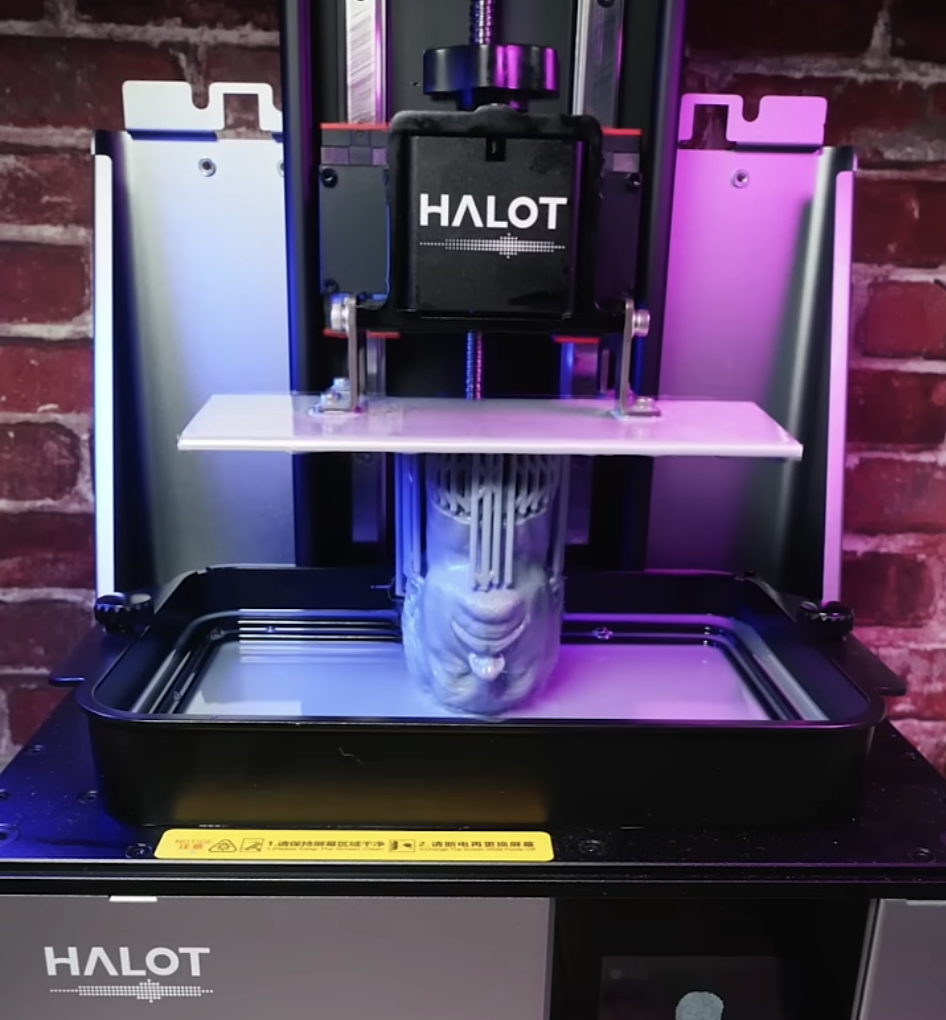
Resin printers use vat photopolymerization. A vat holds liquid resin. A light source (laser or LCD/UV) hardens thin layers that match your model. The build plate lifts, fresh resin flows in, and the next layer cures.
- Prepare the model and slice into layers.
- Fill the vat with compatible resin.
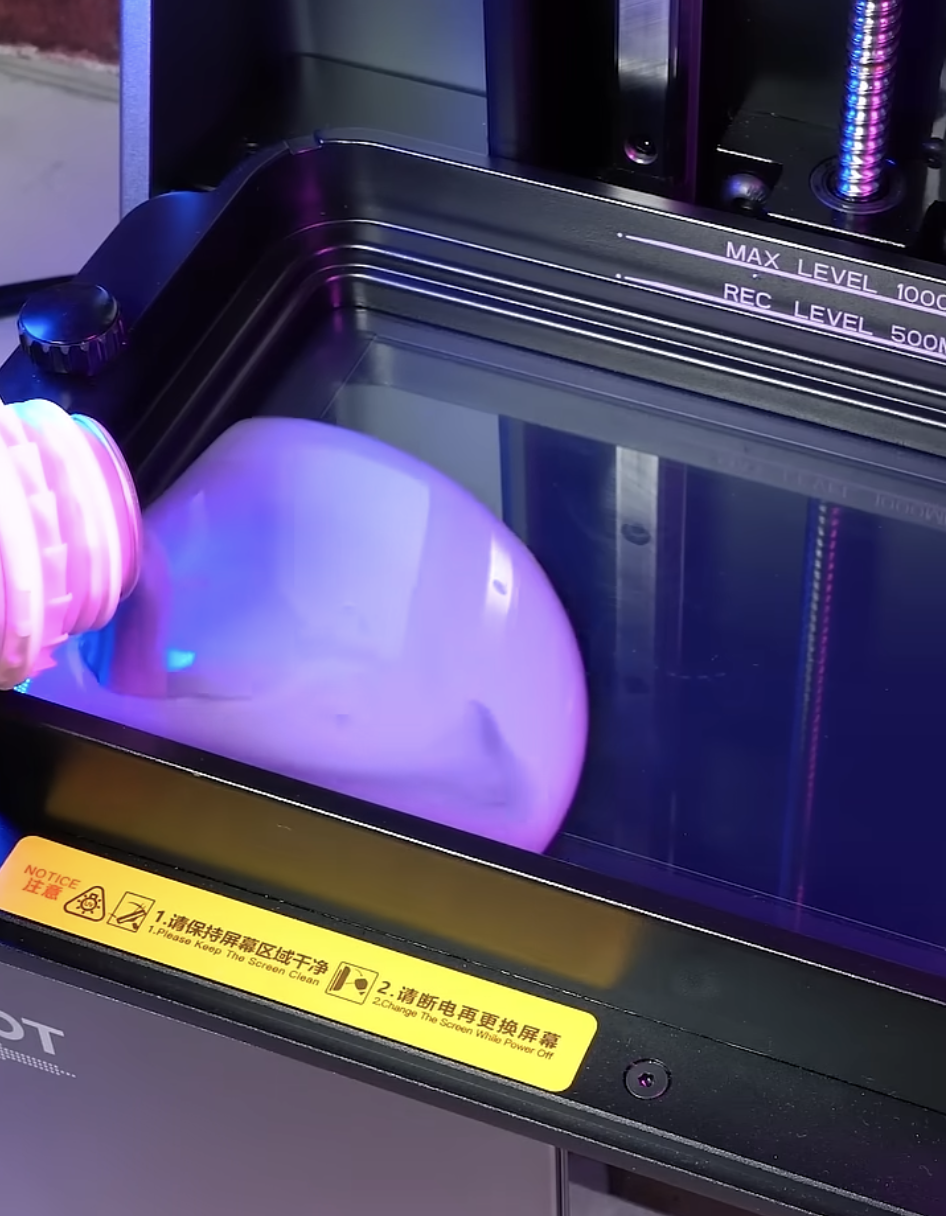
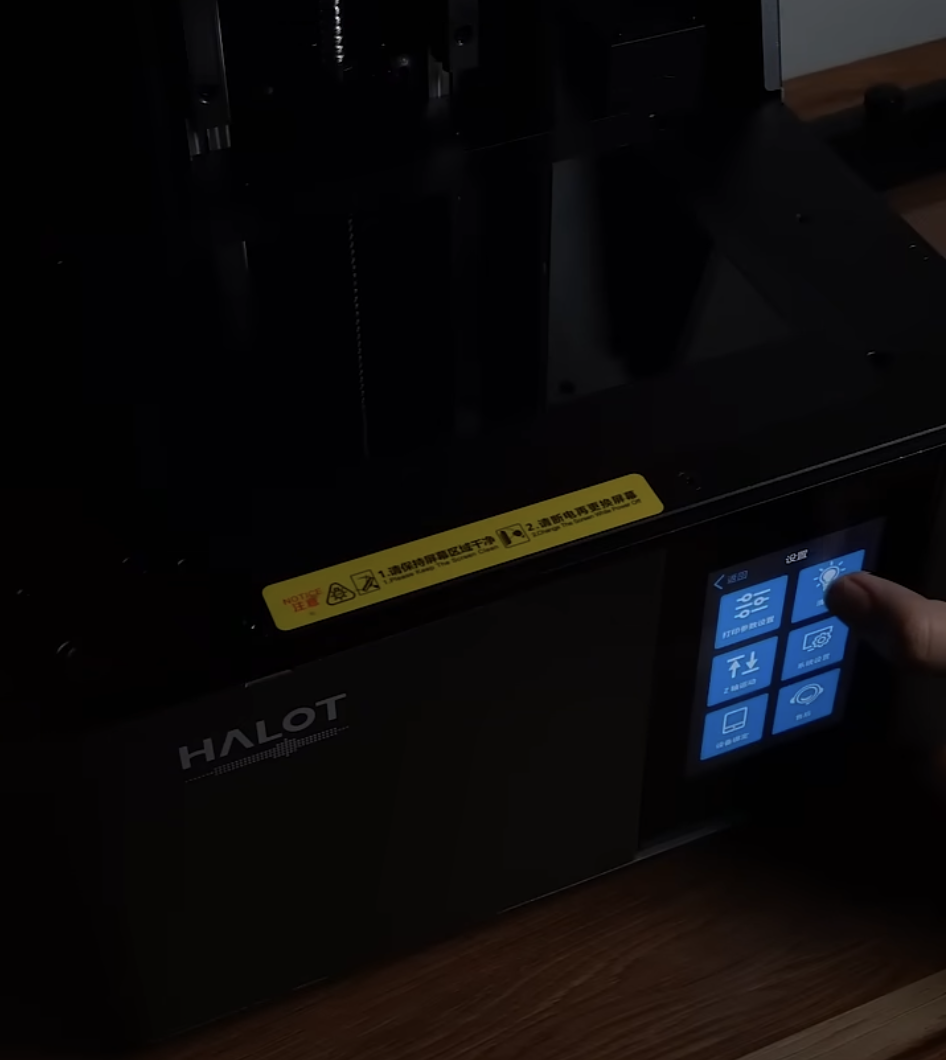
- Start the job so the UV light cures each layer.
- Lift the part from the vat and drain excess resin.
- Rinse in isopropyl alcohol, then UV cure to full strength.
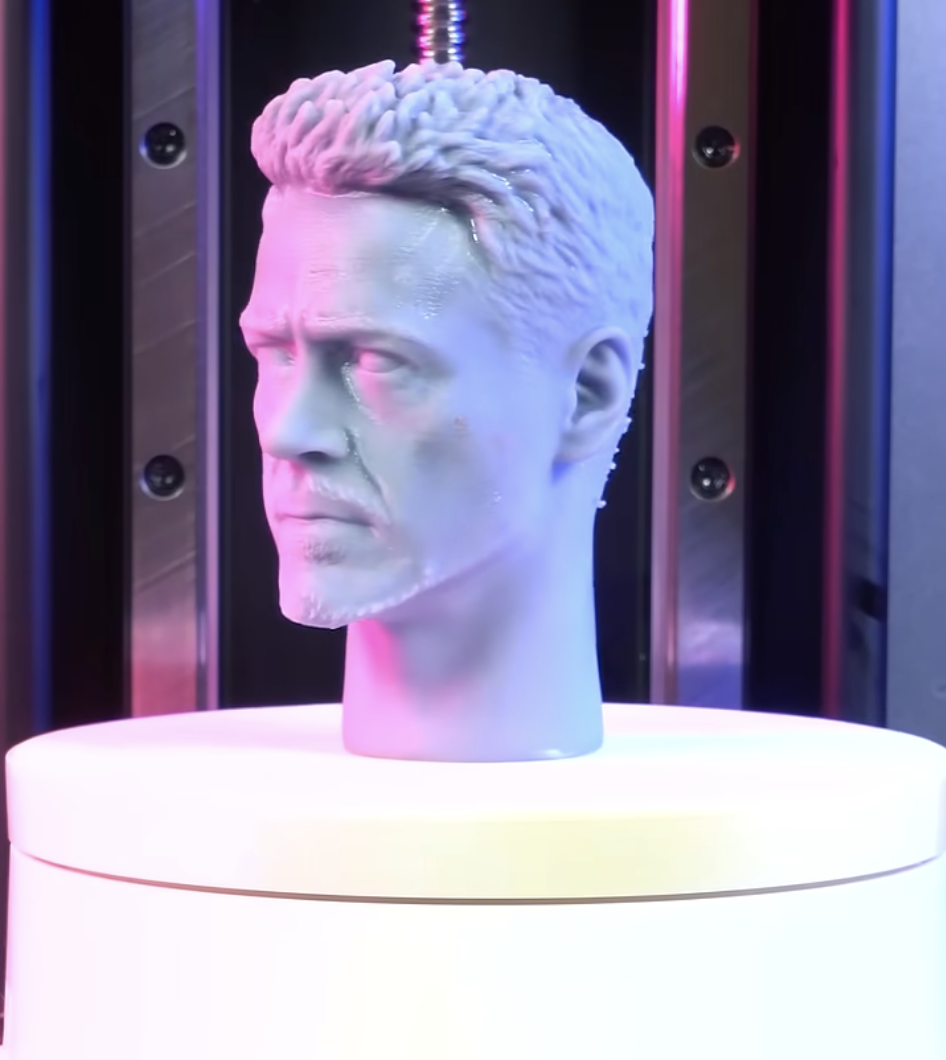
You will see this technology described as an SLA 3D printer as well as MSLA or DLP, which are variations of the same approach.
WHY CHOOSE RESIN 3D PRINTING
- High detail: Tiny text, sharp edges, and smooth surfaces.
- Clean aesthetics: Minimal layer lines for show-ready parts.
- Material variety: Standard, tough, flexible, castable, and dental resins.
- Small features: Accurate miniatures and dental models that need precision.
RESIN VS FDM
When readers search resin vs FDM, they want a clear answer. Use resin for fine detail and smooth surfaces. Use FDM for larger, functional parts that need strength and low cost.
- Resin strengths: Precision, surface finish, tiny features.
- FDM strengths: Big builds, quick drafts, rugged thermoplastics.
COMMON USES
Popular resin 3D printer uses include miniatures, jewelry masters, dental models, product prototypes, and display parts where visual quality matters most.
POST-PROCESSING BASICS
- Remove the part and let resin drip back into the vat.
- Rinse in isopropyl alcohol until the surface feels dry and tack-free.
- Clip supports carefully to protect details.
- UV cure to reach full hardness and heat resistance.
- Sand, prime, and paint if needed for final finish.
SAFETY AND CARE
Many readers ask, is resin 3D printing toxic? Liquid resin and IPA can irritate skin and eyes. Work with gloves, eye protection, and ventilation. Store resin away from sunlight and follow your local rules for disposal.
CHOOSING A RESIN PRINTER
- Resolution: Smaller pixel size yields finer detail.
- Build volume: Match the printer’s size to your parts.
- Material support: Confirm your resin types are approved.
- Reliability: Stable Z-axis, rigid frame, and good firmware.
- Ease of use: Auto-leveling, resin profiles, and clear UI help beginners.
TIPS FOR BETTER RESULTS
- Warm resin to the recommended temperature for consistent curing.
- Angle models to reduce suction and improve surface quality.
- Use hollowing and drain holes to save resin and avoid cracks.
- Tune exposure with a validation print before big jobs.
- Keep the FEP film clean and replace it when cloudy or scratched.
FAQ
What makes a resin printer different from FDM?
Resin cures liquid photopolymer with UV light, while FDM melts solid filament. Resin wins on detail. FDM wins on size and toughness.
Do I need special software?
Yes. Use a slicer that supports resin 3d printing to set exposure, supports, and lift speeds.
How long does a print take?
Time depends on layer height and model height. Wider parts often take the same time as narrow parts because each layer cures at once on an LCD machine.
Can I use an SLA 3D printer for functional parts?
Some engineering resins offer better toughness and heat resistance, but most users still choose FDM for heavy mechanical loads.
SUMMARY
- A resin printer uses vat photopolymerization to cure liquid layers.
- It excels at detail, smooth surfaces, and small features.
- Post-processing includes IPA rinse, support removal, and UV cure.
- Follow safety steps and proper disposal for materials.
- Pick a machine that fits your volume, resolution, and workflow.
CONCLUSION
If you need tiny features and a show-ready finish, a resin printer is hard to beat. Now that you know what is a resin 3D printer and how it compares to filament machines, you can choose the right tool for each project and get consistent, high-quality results.


Discussion (0)
Be the first to comment.