



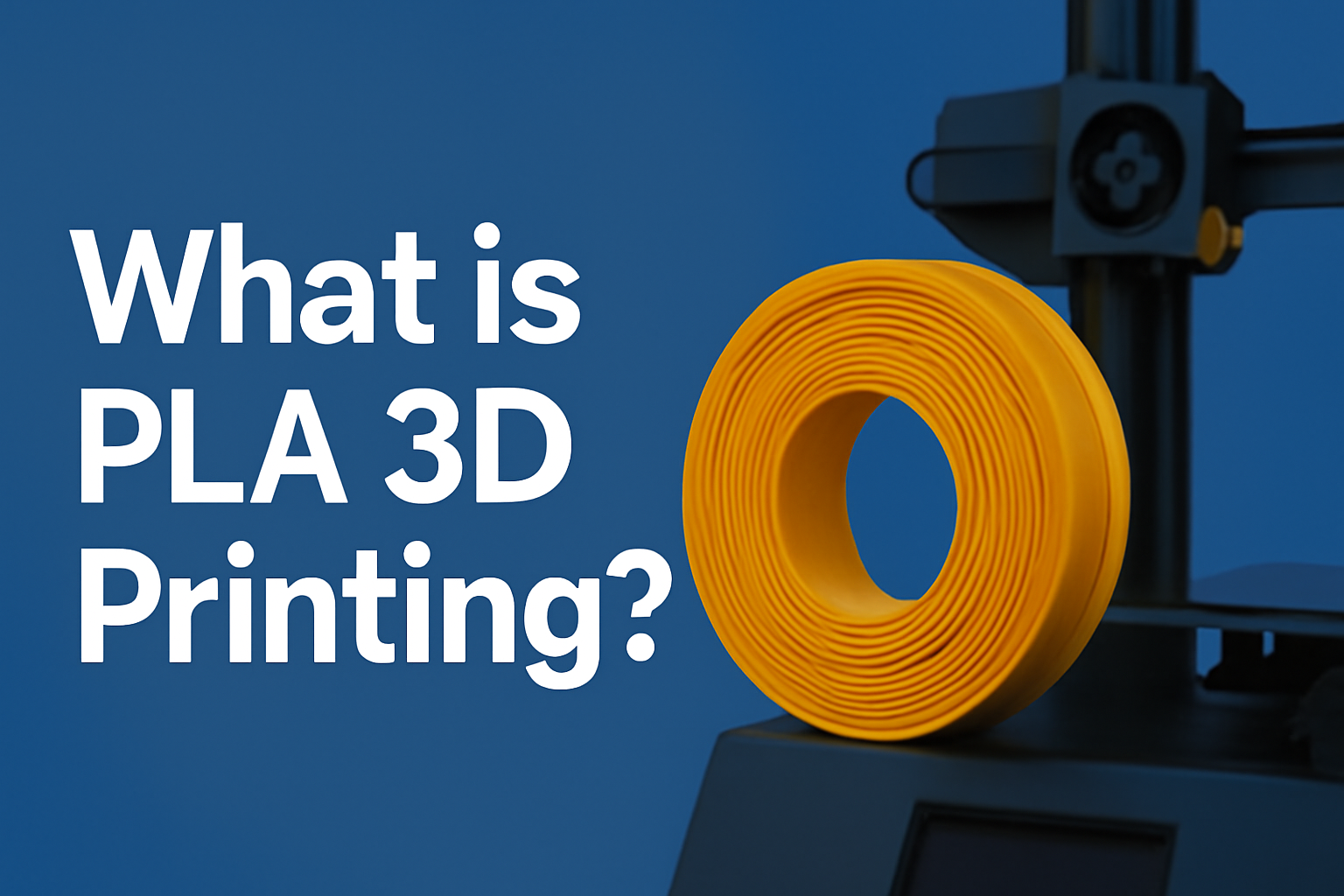
Polylactic Acid (PLA) is one of the most popular materials in 3D printing. This biodegradable thermoplastic is made from renewable resources like cornstarch or sugarcane, which gives it a significant edge in terms of sustainability.
PLA is frequently used in consumer-grade 3D printers due to its easy handling and minimal environmental impact. But what exactly makes PLA so popular, and why is it often the filament of choice for many 3D printing projects?
What is PLA?
Definition and composition
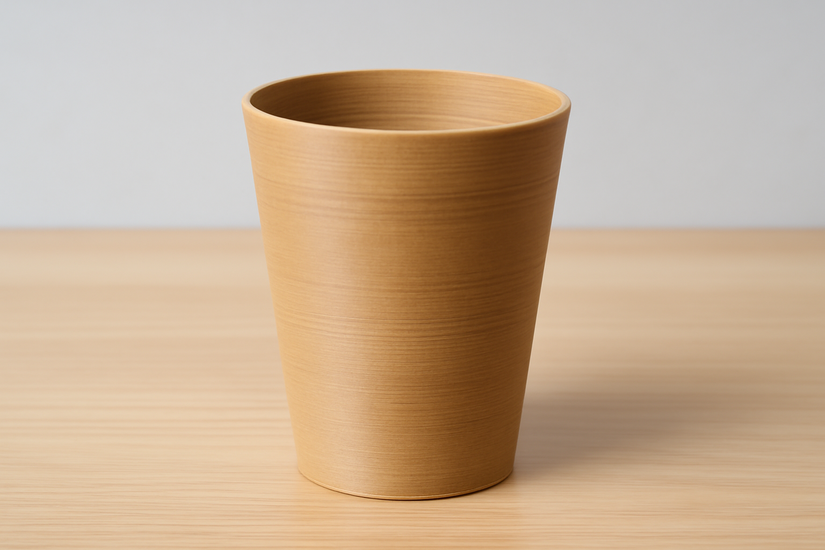
PLA is a thermoplastic material that is derived from natural resources such as corn starch or sugarcane. Unlike traditional plastics, PLA is biodegradable and is considered an eco-friendly alternative for 3D printing. It’s typically used for making parts that don’t require the strength and durability of more industrial materials.
PLA’s chemical properties
PLA is made from lactic acid, a byproduct of fermented plant sugars. This makes it a renewable plastic that is relatively safe to use compared to other synthetic materials. As a thermoplastic, PLA softens when heated and hardens as it cools, making it ideal for 3D printing applications.
Why is PLA popular in 3D printing?
Ease of use
One of the main reasons PLA is favored in 3D printing is its ease of use. It prints at a relatively low temperature (180–220°C) compared to other filaments like ABS, which require higher temperatures. This makes PLA ideal for beginner 3D printers who are just starting to explore the world of additive manufacturing.
Low odor and non-toxicity
Another appealing feature of PLA is that it is non-toxic and emits little to no harmful fumes during printing. Unlike materials such as ABS, which can produce unpleasant odors and potentially harmful particles when heated, PLA is safer to print indoors, especially in spaces without specialized ventilation.
PLA vs other filaments
PLA vs ABS
When compared to ABS, PLA is easier to work with. It doesn’t require a heated bed, and it has less of a tendency to warp during printing. However, PLA is more brittle than ABS and isn’t ideal for objects that will be exposed to high temperatures or heavy wear and tear.
PLA vs PETG
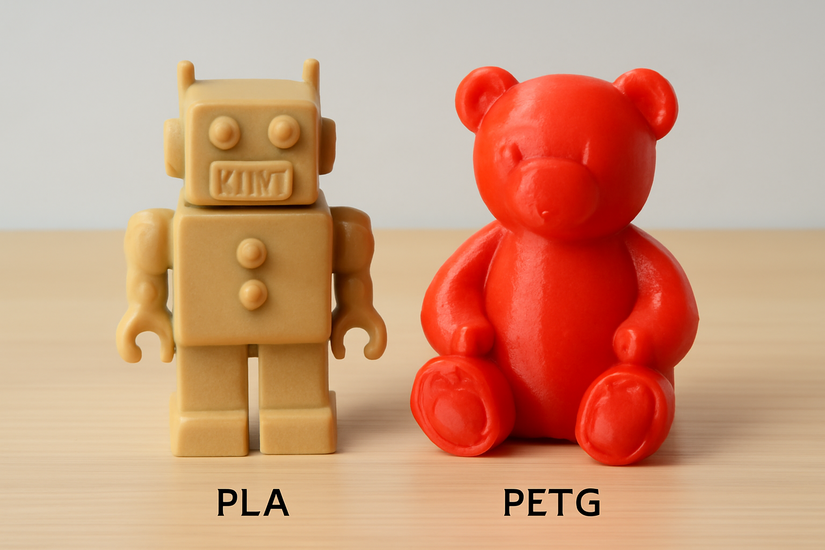
PETG is another popular filament that offers better durability and impact resistance compared to PLA. While PLA is easier to print with, PETG can withstand higher temperatures and is more flexible, making it a better option for creating parts that need to endure mechanical stress or outdoor conditions.
Key applications of PLA 3D printing
Prototyping and models
PLA is widely used for prototyping and creating detailed models. Since it’s easy to print and produces high-quality results, PLA is ideal for creating visual prototypes, concept models, and detailed figurines. The material’s smooth finish is perfect for projects that require a clean, polished appearance.
Home and hobbyist use
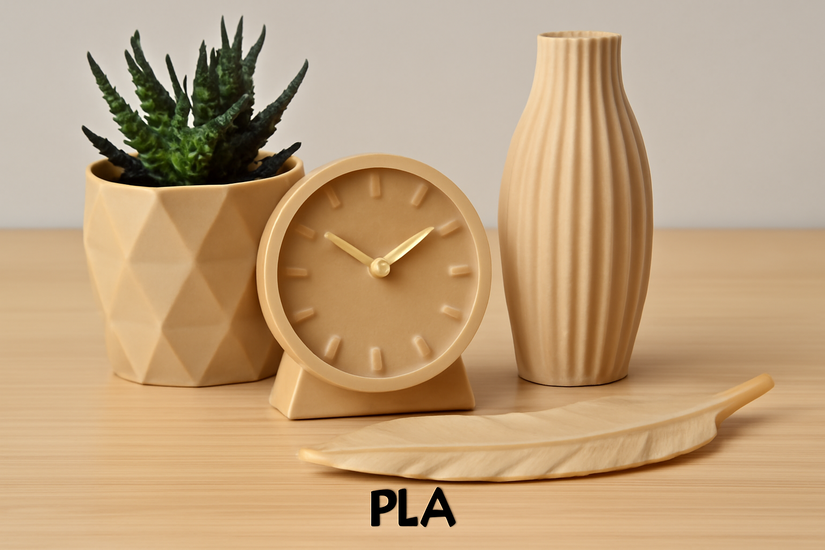
For hobbyists and DIY enthusiasts, PLA is the go-to filament. Its non-toxic nature, ease of use, and wide availability make it perfect for creating non-functional items like toys, sculptures, and decorative objects. It’s also the first choice for those just starting with 3D printing.
Advantages of PLA for 3D printing
Environmentally friendly
PLA is considered one of the most environmentally friendly filaments in the 3D printing world. As a biodegradable material, it breaks down much faster than petroleum-based plastics. This makes it a sustainable option for users who are concerned about the environmental impact of their 3D printing activities.
Superior print quality
PLA produces a smooth and shiny finish on prints, making it an excellent material for aesthetic projects. It is also less likely to produce rough, uneven surfaces, resulting in cleaner prints with fewer defects, even for more detailed models.
Challenges and limitations of PLA
Heat resistance and durability
While PLA is an excellent filament for many types of prints, it does have its limitations. One of the key drawbacks is its poor heat resistance. PLA softens at relatively low temperatures (around 60°C), which makes it unsuitable for creating parts that need to withstand high temperatures, such as automotive or kitchen items.
Brittleness over time
PLA prints are prone to becoming brittle over time, especially when exposed to UV light or moisture. This makes PLA unsuitable for items that need to last in harsh environments or be used outdoors. While PLA is biodegradable, this can also lead to degradation of the print’s structural integrity in the long term.
PLA Variants and advanced options
PLA+ is a modified version of standard PLA, offering improved strength and flexibility. There are also composite filaments like wood-infused or metal-infused PLA, which are used for specialized applications that require unique finishes or textures. These advanced PLA variants can enhance the versatility of PLA in 3D printing.
Other specialty PLA filaments include flexible PLA, which can be used to print bendable or stretchy parts, and high-heat PLA, which has an improved heat deflection temperature, making it suitable for parts that might be exposed to higher temperatures.
Sustainability of PLA 3D printing
Biodegradability
Although PLA is biodegradable, it’s important to note that it doesn’t break down easily in typical landfill environments. It requires industrial composting conditions to fully degrade, so proper disposal and recycling methods are important to reduce its environmental impact.
Waste reduction
PLA helps reduce plastic waste by providing a sustainable alternative to petroleum-based plastics. As a biodegradable option, PLA reduces the demand for conventional plastic materials and supports more eco-conscious manufacturing practices in the 3D printing world.
How to print with PLA filament
Printer settings for PLA
To ensure optimal results when printing with PLA, it’s important to adjust your 3D printer’s settings. The bed temperature should be set between 50°C and 70°C, and the nozzle temperature should be between 200°C and 220°C. Proper calibration will minimize common issues like warping or stringing.
Tip: PLA printing can present challenges such as stringing, warping, or under-extrusion. To avoid these issues, make sure your printing environment is stable, adjust your printer’s settings for better adhesion, and experiment with print speeds and cooling fan settings to optimize the printing process.
Conclusion: Is PLA the right choice for your 3D printing projects?
PLA remains one of the most accessible and versatile filaments for 3D printing. It is a great choice for beginners, hobbyists, and those looking to create aesthetically pleasing models. However, for parts that require durability or heat resistance, you may need to consider other materials like PETG or ABS.
Overall, PLA offers an excellent balance of ease of use and sustainability, making it an ideal starting point for most 3D printing enthusiasts.


Discussion (0)
Be the first to comment.