



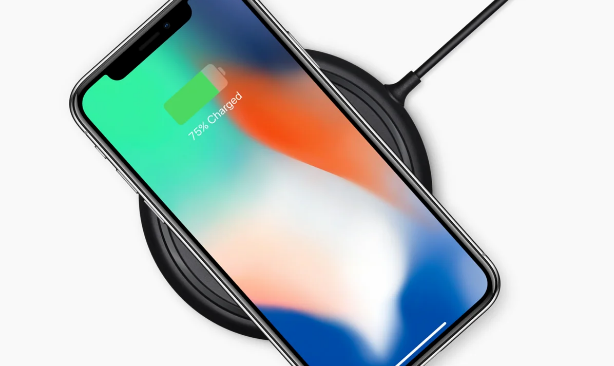
Wireless charging is one of those features that, once you have it, becomes difficult to live without. Drop the phone on the pad, walk away, come back to a full battery. No fumbling with cables, no worn-out charging ports, no thinking about it at all.
The question that follows for most people is whether doing this every day is quietly damaging their battery. The honest answer is more nuanced than either the reassuring marketing from phone manufacturers or the alarming warnings from tech forums would suggest.
How Wireless Charging Actually Works
A wireless charger uses electromagnetic induction to transfer energy from the pad to your phone. An alternating current passes through a coil in the charger, generating a magnetic field. A second coil in your phone picks up that field and converts it back into electrical current to charge the battery.
The process is inherently less efficient than a direct wired connection. Some of the energy that leaves the charger never reaches the battery. Instead, it converts into heat, split between the charging pad itself and the back of your phone. This is why a phone sitting on a wireless pad feels noticeably warmer than one charging via cable, especially at higher wattages.
That warmth is the core of the daily wireless charging discussion. Not the charging method itself, but the heat it produces.
Heat Is What Degrades Your Battery
Lithium-ion batteries, which power every modern smartphone, degrade through a combination of charge cycles and heat exposure. Every charge cycle causes minor chemical changes inside the battery cells. Heat accelerates those changes significantly.
Research published in ACS Omega found that a temperature increase of just 5 to 10 degrees Celsius during charging can accelerate lithium-ion degradation by up to 25 percent. This happens through increased internal resistance and side reactions inside the cell that permanently reduce capacity over time.
Wireless charging consistently produces more of this heat than wired charging does. The energy conversion losses, the magnetic field interaction, and any misalignment between the phone and pad coils all add to the thermal load. At standard wattages this is a modest difference. At the higher wattages of fast wireless charging, the difference becomes more pronounced.
The practical implication is straightforward. If you charge wirelessly every day at high wattage, your battery will likely lose capacity slightly faster than if you used a wired cable. The gap is real but not dramatic for most everyday users.
What Makes It Worse
Several factors compound the heat problem and are worth knowing about.
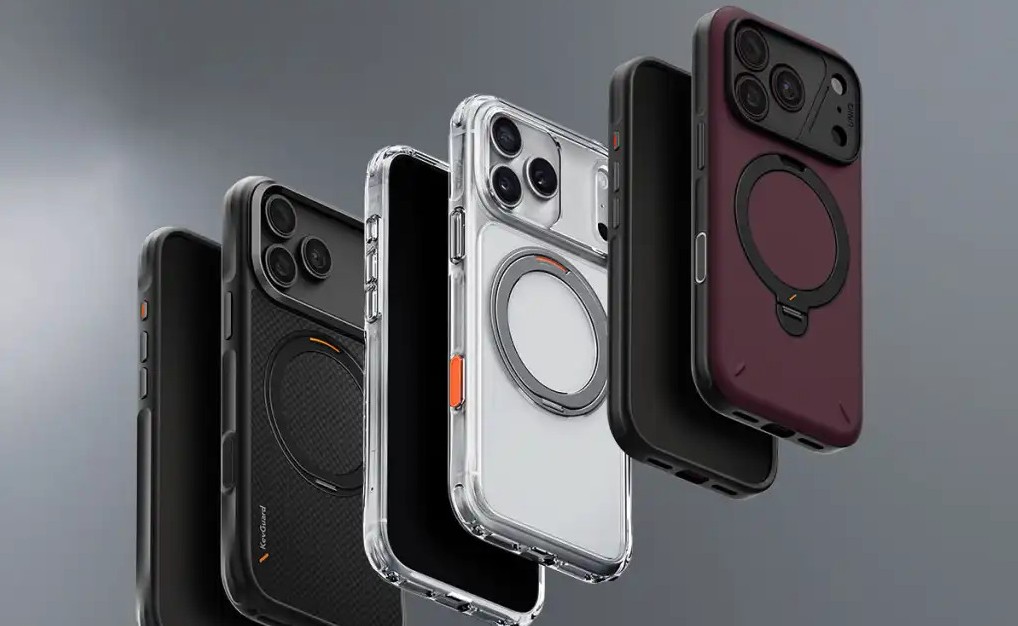
Keeping a case on while charging. A thick phone case, particularly one made of silicone or TPU, acts as an insulating layer that traps the heat generated during wireless charging. The phone cannot dissipate warmth as quickly, so temperatures stay elevated for longer during each session.
Charging overnight. Leaving your phone on a wireless pad all night means it sits fully charged at 100 percent for hours while the pad continues producing low-level heat to maintain that charge level. Modern phones have battery management systems that reduce current flow at full charge, but the sustained heat exposure from sitting on the pad for eight hours has a cumulative effect over months of daily use.
Using the phone while charging wirelessly. Running apps, streaming video, or gaming while the phone sits on a wireless pad creates two simultaneous heat sources. The processor generates heat from the workload while the charging coil generates heat from the energy transfer. Combined temperatures can reach levels that measurably stress the battery.
Cheap or uncertified chargers. Low-quality chargers often lack proper thermal management and overvoltage protection. They may deliver inconsistent power, generate more heat than necessary, and fail to communicate properly with the phone's battery management system. The Qi and Qi2 certifications exist partly to ensure chargers meet minimum standards for safe power delivery.
What Modern Phones Do to Protect Themselves
It is worth being clear that modern smartphones are not defenceless against these issues. Every current flagship includes a battery management system that communicates with the charger in real time.
When the phone detects temperatures climbing too high, it reduces the power it accepts from the charger automatically. If temperatures continue rising, it can stop accepting charge altogether until the device cools down. This prevents the kind of acute heat damage that could cause immediate failure.
Some phones go further. Apple's Optimised Battery Charging feature, available on iPhones, learns your daily charging routine and deliberately delays charging to 100 percent until shortly before you usually pick up the phone. This keeps the battery at around 80 percent for most of the overnight period, which is a healthier state for lithium-ion chemistry than sitting at maximum charge. Android phones from Samsung, Google, and others offer similar features under different names.
These systems do not eliminate the heat generated by wireless charging. They manage it. The damage is slowed but not removed.
What Actually Helps
The guidance that genuinely makes a difference is consistent across battery researchers and device manufacturers.
Charge to 80 percent rather than 100 percent. Lithium-ion batteries stay healthiest when kept between 20 and 80 percent of their capacity. Charging to full every day and leaving the phone at 100 percent for extended periods accelerates degradation. Enable your phone's charging limit feature if one is available, or remove the phone from the pad before it reaches full charge.
Remove your case while charging wirelessly. This single habit reduces the heat retained during charging noticeably. The phone can radiate warmth through its back panel more effectively when the case is not trapping it.
Use a quality certified charger. A charger with Qi2 certification includes magnetic alignment to ensure the coils line up optimally, which reduces the energy lost as heat from misalignment. Proper alignment can reduce the thermal difference between wireless and wired charging meaningfully.
Mix wired and wireless charging. Using a wired cable for overnight charging and wireless for top-up charges during the day captures the convenience of wireless without its cumulative heat impact. The wired cable generates less heat and charges more efficiently. The wireless pad handles the moments when convenience matters more than efficiency.
Keep the charger in a ventilated area. Charging in a cool room on a hard surface, rather than on a bedside table against a wall, allows heat to dissipate from both the pad and the phone more effectively.
The Bottom Line
Daily wireless charging is not going to destroy your battery in a month or a year. For most people using a quality charger and not actively making the worst choices with it, the difference in battery health compared to wired charging will be modest over a typical two to three year phone ownership cycle.
Where it becomes more noticeable is in the specific conditions that stack the heat problem. Charging overnight in a case at full wattage every single night, with the phone never falling below 95 percent, represents the worst-case daily wireless charging habit. Doing this for two years produces measurably faster capacity loss than equivalent wired charging under the same conditions.
The convenience of wireless charging is real. So is the trade-off. Whether that trade-off matters for you depends on how long you keep your phone and how much the battery's condition matters to you when you eventually sell or pass it on.
Frequently Asked Questions
Is wireless charging safe to use every day?
Yes. Wireless charging is safe for daily use. Modern smartphones include battery management systems that regulate heat and prevent overcharging. The concern is not immediate damage but gradual acceleration of battery degradation over the long term, primarily through heat exposure. Using a quality certified charger and avoiding the habits that compound heat helps minimise this effect.
Is fast wireless charging worse for the battery than standard wireless charging?
Yes, to a degree. Higher wattage wireless charging generates more heat than lower wattage charging. A 15W or 25W wireless charger produces noticeably more warmth than a 5W or 7.5W charger. If preserving battery health is a priority, charging at a lower wattage when you are not in a hurry reduces the thermal impact. Many phones allow you to limit wireless charging speed in their settings.
Does leaving the phone on a wireless charger all night damage the battery?
It degrades battery health more than removing the phone once it is charged, but it does not cause immediate damage. The phone stops actively charging when it reaches 100 percent, but it continues to receive small amounts of current to maintain that level, and the charger continues to produce low-level heat. Over months of daily overnight charging, this contributes to faster capacity loss than the habit of removing the phone at full charge.

Discussion (0)
Be the first to comment.