



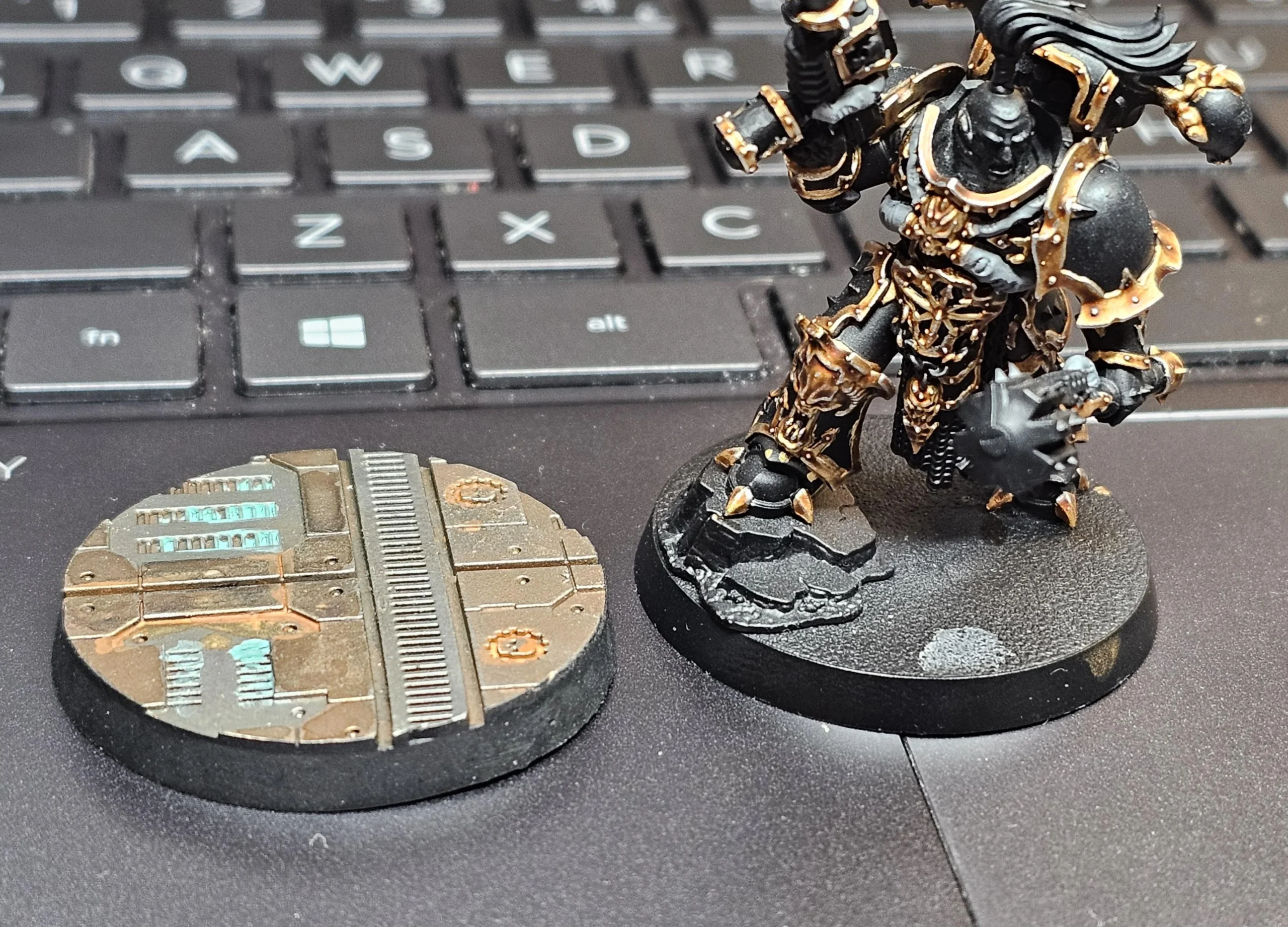
Warhammer 40,000 miniatures have become increasingly dependent on “tactical rocks,” and it may be time for Games Workshop to slow down. A raised stone, broken helmet, pipe, ruined statue, or pile of debris can make a model look more dynamic, but recent releases often go too far.
Many newer characters appear to be balancing on rubble purely to look taller, more dramatic, or more important on the tabletop. The idea is understandable. Commanders, heroes, and named characters need to stand out from regular troops. A slightly elevated base helps players spot them during a game and gives sculptors more room to create a cinematic pose.
The problem is that the effect becomes less convincing when every major miniature is standing on a chunk of scenery.
Tactical Rocks Started as a Useful Design Tool
A carefully placed rock can improve a miniature. A flying monster attached to a cliff can create the impression of movement. A warrior with one foot on a fallen enemy can make a pose feel aggressive. A commander standing above the rest of an army can immediately look like a leader.
These details also help break up the flat look of a standard plastic base.
| Tactical base element | When it works best |
|---|---|
| Small rock | Adds a slight height difference |
| Fallen helmet | Makes a battlefield feel lived in |
| Ruined wall | Helps support larger flying models |
| Broken statue | Works for dramatic hero characters |
| Pipes or machinery | Fits sci-fi armies and industrial terrain |
| Corpses or debris | Can add story without changing the pose too much |
The issue is not that tactical rocks exist. The issue is that they are now used so often that they can make models look awkward rather than impressive.
A character may be sculpted mid-step on top of a large stone, attached to a broken statue, or leaning across multiple pieces of terrain. Instead of looking like they are fighting in a war zone, they can look as if they are posing for a promotional poster.
Too Much Scenery Can Hurt the Model
Large scenic bases can make miniatures harder to transport, more fragile, and more difficult to store safely. A small plastic figure already has thin weapons, antennae, banners, wings, and decorative pieces that can break during travel.
Adding a large rock, branch, statue head, smoke trail, or ruined pipe creates more weak points. It can also make the miniature wider or taller than expected, which becomes a problem when placing it in foam cases, carrying boxes, or display cabinets.
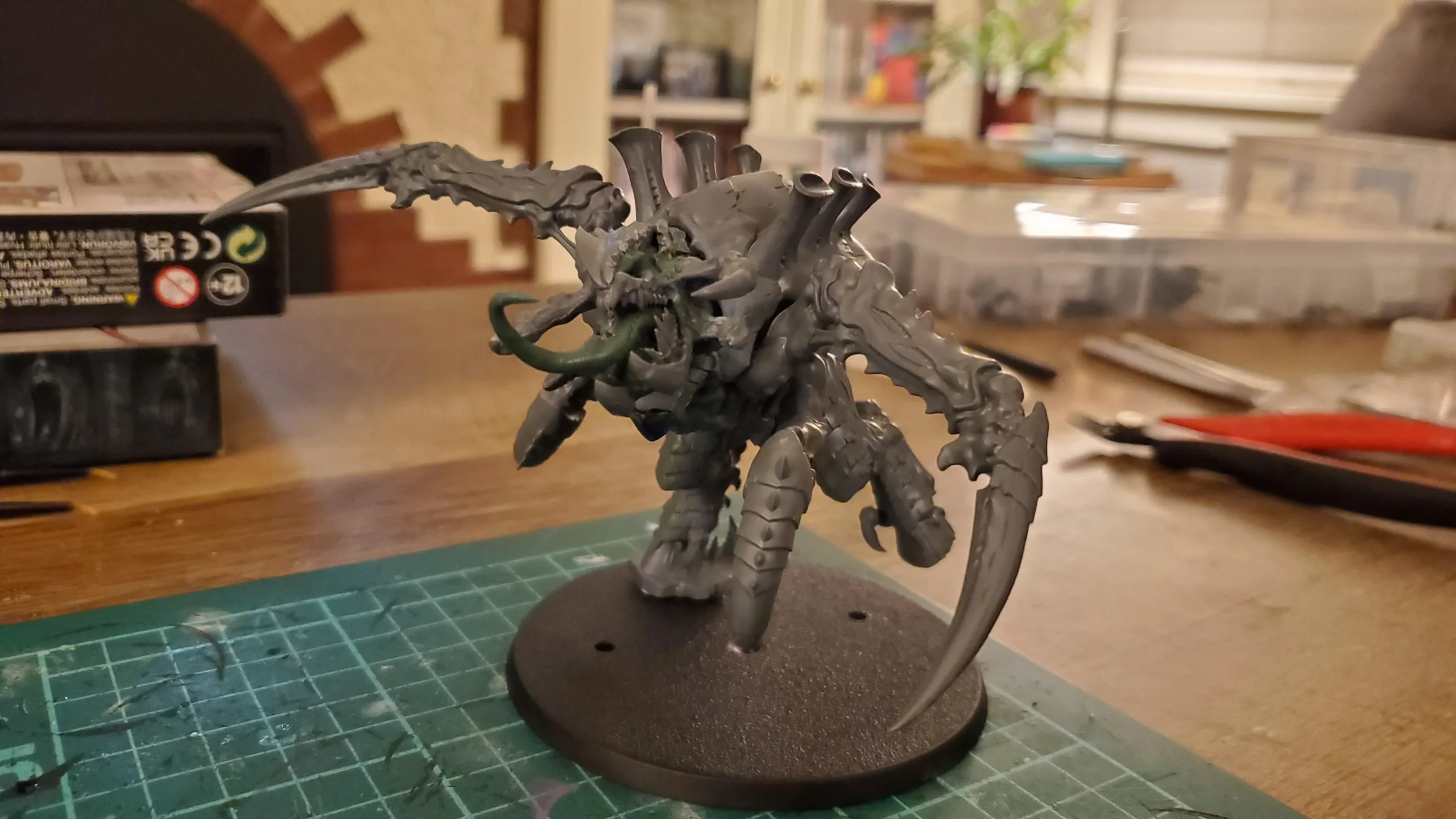
For players who regularly take armies to stores, events, or friends’ houses, simpler bases are often more practical.
There is also a hobby issue. Some painters enjoy creating their own scenic bases with sand, cork, grass, skulls, debris, and custom terrain. When a miniature already comes permanently attached to a giant piece of rubble, there is less freedom to create a unique look.
Hero Models Should Stand Out Without Looking Uncomfortable
Games Workshop has many ways to make important miniatures stand out. Better armour details, banners, distinctive weapons, larger cloaks, rare colour schemes, and unique silhouettes can all make a commander easy to identify.
A model does not always need to stand on a rock to look powerful.
Some of the strongest Warhammer miniatures use simple poses. A Space Marine standing firmly with a bolter, a Necron character holding a staff, or an Ork boss leaning forward with a massive weapon can still look intimidating without climbing over scenery.
Tactical rocks are useful in moderation. They can add movement, height, and story to a miniature base. But when every new hero appears to be standing on a mountain of broken rubble, the effect starts to lose its value.
Warhammer miniatures are often at their best when the sculpt itself does the work.



Discussion (0)
Be the first to comment.