



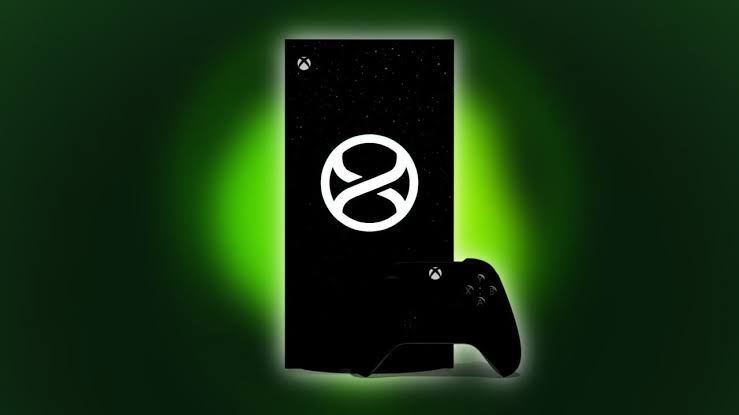
Video Games Plus has published an open letter asking Xbox to support physical games with its next generation hardware and make consumer choice a central part of the Project Helix strategy.
The independent retailer argues that Microsoft has an opportunity to improve its relationship with players by committing to discs at a time when the wider console market appears to be moving further toward digital distribution.
The letter was addressed to Xbox CEO Asha Sharma and refers to the Xbox One reveal in 2013, when Microsoft’s original plans created concerns around game ownership, used discs, and online requirements. Sony later used that moment to position PlayStation 4 as the more physical friendly console.
Video Games Plus believes Xbox can now reverse that history. It wants Microsoft to support collecting, lending, trading, preserving, and reselling games rather than limiting the next Xbox generation to digital purchases.
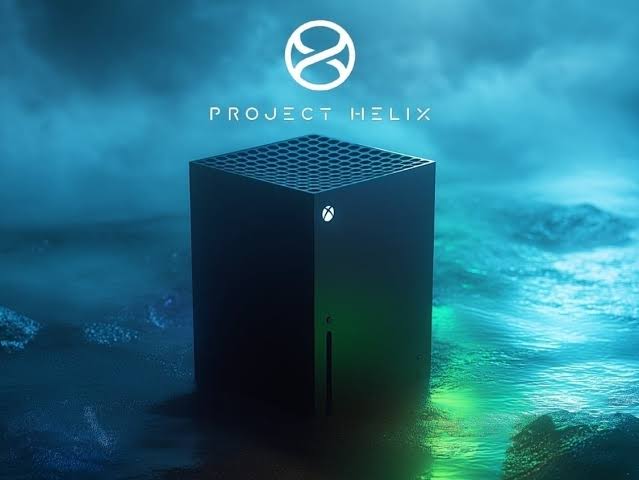
The request arrives as uncertainty continues around whether Project Helix will include an internal disc drive, an optional external drive, or no physical support at all.
The retailer believes physical support could rebuild goodwill
Video Games Plus says there is still a dedicated audience that values physical ownership. As a retailer, it claims to see continued demand from customers who want games they can keep, trade, lend, or display.
The company also argues that stronger physical support could benefit more than players. Retailers would retain an important source of business, publishers would have another way to reach customers, and Xbox could gain more visibility in stores.
| Possible Project Helix approach | What it would mean |
|---|---|
| Built in disc drive | Full physical support included with the console |
| Separate disc model | Digital and physical versions sold separately |
| Optional external drive | Physical support available without increasing the base model cost |
| Disc to digital system | Existing discs converted into digital licences |
| Fully digital hardware | All games purchased and downloaded through online stores |
An optional external drive may be the most practical compromise. Microsoft could keep the main console smaller and potentially cheaper while still supporting players with older Xbox disc collections.
This would also help preserve backward compatibility. Many Xbox players own physical games from earlier generations and may expect future hardware to continue supporting them.
Project Helix could use physical media as a point of difference
Xbox has already placed more attention on digital ownership, subscriptions, cloud gaming, Play Anywhere, and PC integration. Physical sales on Xbox are believed to be much lower than digital purchases, which gives Microsoft a strong financial reason to move away from discs.
Digital sales can produce higher margins because platform holders do not have to manufacture packaging, distribute stock, or share as much revenue with retailers.
However, physical support could still provide strategic value even if it represents a smaller share of sales. It would give Xbox a visible point of difference and could attract players who are concerned about losing access to digital purchases or being restricted to one storefront.
Physical games also support the second hand market. You can sell a finished game, lend it to someone else, or purchase a used copy at a lower price. Those options do not normally exist with console digital purchases.
Removing discs would also affect independent retailers, distribution businesses, collectors, and stores that depend on new and used game sales.
Physical ownership still has important limitations
A disc does not always contain a complete and fully updated game. Some releases require large downloads, online activation, day one patches, or permanent server access.
Modern games are also installed to internal storage rather than played directly from the disc. In many cases, the disc mainly acts as proof that you have permission to launch the installed game.
Even with these limitations, a physical copy may offer greater flexibility than a digital licence. It can often be transferred to another person, played through a different account, or sold after use.
The value depends heavily on how the game is distributed. A complete offline game stored on the disc provides stronger preservation than a box containing only a download code or a release that depends entirely on remote servers.
Microsoft has not finalized its physical strategy
Reports suggest that Microsoft is still evaluating physical support for Project Helix. The company has not announced the final hardware design or confirmed whether the next Xbox system will include any type of optical drive.
The open letter has attracted significant attention online, showing that the subject remains important even as digital sales continue to grow.
Microsoft now has several options. It could release separate digital and disc models, sell a removable drive, support a disc conversion program, or abandon physical games completely.
The final decision will depend on cost, manufacturing, demand, publisher support, and how Microsoft wants to position the next Xbox generation.
Supporting discs would not reverse the industry’s move toward digital distribution. It would preserve another way to buy and access games for people who still value it. For Project Helix, that choice could become an important part of how Xbox presents its future to both existing customers and players considering a new platform.



Discussion (0)
Be the first to comment.