



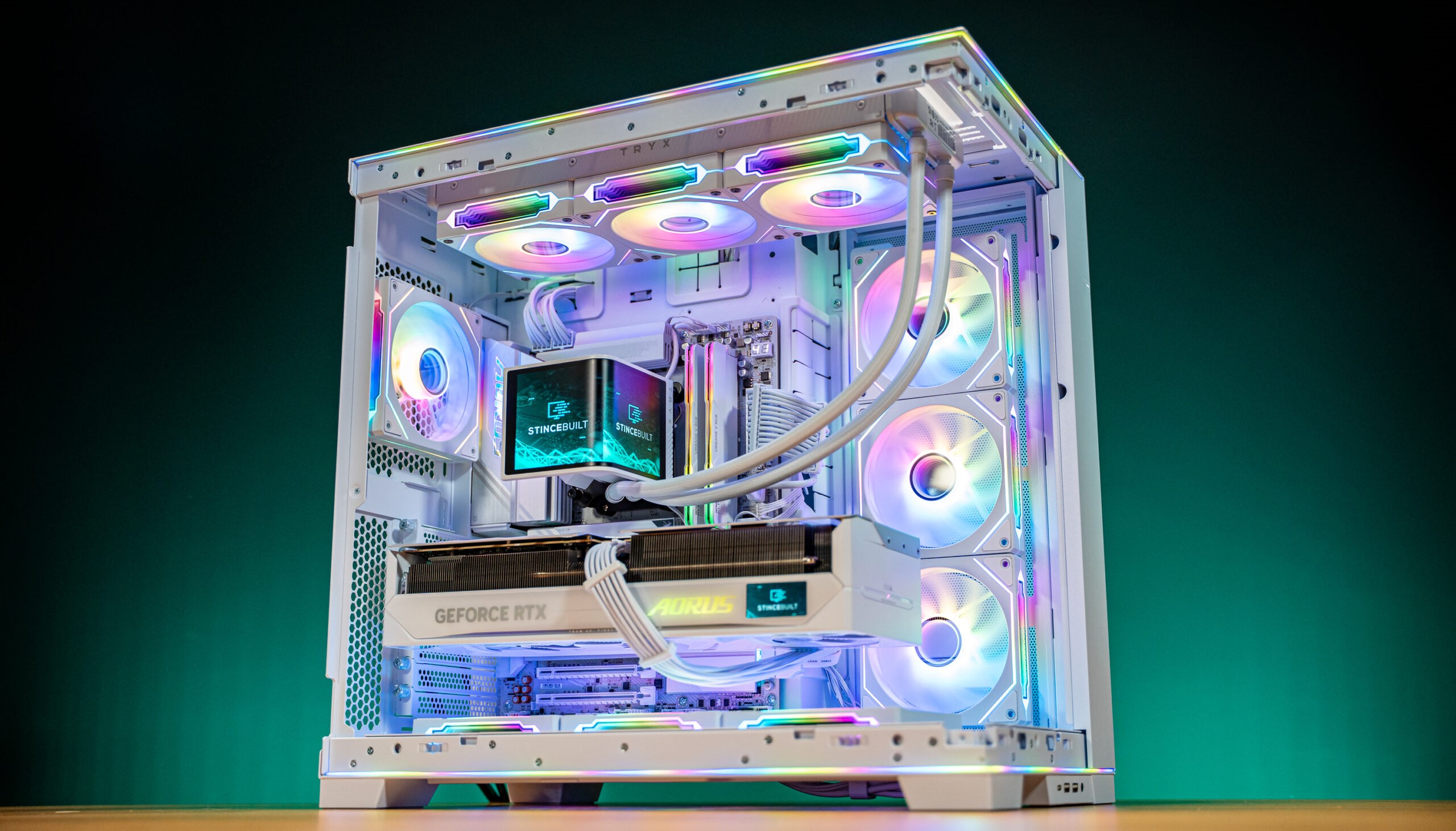
GPU prices could climb significantly in the coming months as availability tightens and component costs continue rising, according to a US based system integrator that is struggling to secure enough graphics cards for its PC builds.
Stince Built says GPU inventory has become increasingly difficult to obtain, adding another problem to a hardware market already dealing with expensive memory and SSDs.
The company expects graphics card prices to rise further and remain elevated for an extended period. If that happens, system builders may have little choice but to pass those higher costs on to customers.
GPU Supply Is Becoming a Bigger Problem for PC Builders
Memory and storage shortages have already created problems for PC manufacturers and system integrators over the past year.
Demand from AI systems and data centers has put additional pressure on memory availability, contributing to higher prices across multiple PC components.
Stince Built says GPUs have now become another major concern.
| Market factor | Reported impact |
|---|---|
| GPU availability | Becoming harder to secure |
| Memory supply | Under pressure from AI and data center demand |
| SSD pricing | Already elevated |
| GPU prices | Expected to rise significantly |
| System builder costs | Likely to increase |
| Customer pricing | Higher costs may be passed on |
The company is attempting to secure additional GPU inventory before prices move higher, but current supply conditions are making that increasingly difficult.
For system integrators, limited GPU availability can have a direct effect on complete PC pricing because the graphics card is often one of the most expensive components in a gaming system.
Graphics Card Prices Have Already Increased
The warning arrives after substantial GPU price increases during 2026.
The report claims graphics cards are already around 50 to 60 percent more expensive than they were a year ago in some cases.
Several GeForce RTX 50 series models have received repeated price increases during the year, making high end cards particularly expensive.
There are also reports that some GPUs are reaching the end of their production cycles, which could make availability even more difficult if replacement products do not arrive quickly enough.
One recent report claims NVIDIA has ended GeForce RTX 5090 production and plans to reserve the GB202 processor for professional RTX products instead.
That information remains reported rather than officially confirmed by NVIDIA.
If accurate, reduced production of flagship gaming GPUs could place additional pressure on remaining inventory.
AMD Price Changes Add More Pressure
AMD has also reportedly increased costs for its graphics card partners.
The company is said to have raised GDDR6 memory pricing from October 1, which could affect Radeon board partners and eventually retail graphics card prices.
That is particularly relevant to the Radeon RX 9000 family, which remains AMD's current generation desktop lineup using GDDR6 memory.
Higher memory costs, combined with tighter general component availability, make it increasingly difficult for graphics card manufacturers to keep prices stable.
System builders are exposed to the same pressures because they depend on consistent GPU supply to maintain predictable PC pricing.
Higher Prices Could Last Longer Than Expected
The larger concern is not simply that GPU prices may rise again, but that elevated pricing could remain in place for some time.
If AI and data center demand continues absorbing large amounts of memory and other components, consumer hardware suppliers may have limited ability to improve availability quickly.
At the same time, system integrators cannot indefinitely absorb higher component costs.
That means prebuilt gaming PCs could become more expensive alongside standalone graphics cards.
Stince Built's warning does not provide a specific percentage increase or timeline for the next GPU price adjustment, so the scale of any future increase remains uncertain.
However, the combination of tighter inventory, expensive memory, rising component costs and possible reductions in GPU production suggests the graphics card market could remain difficult for both PC builders and buyers through the coming months.



Discussion (0)
Be the first to comment.