



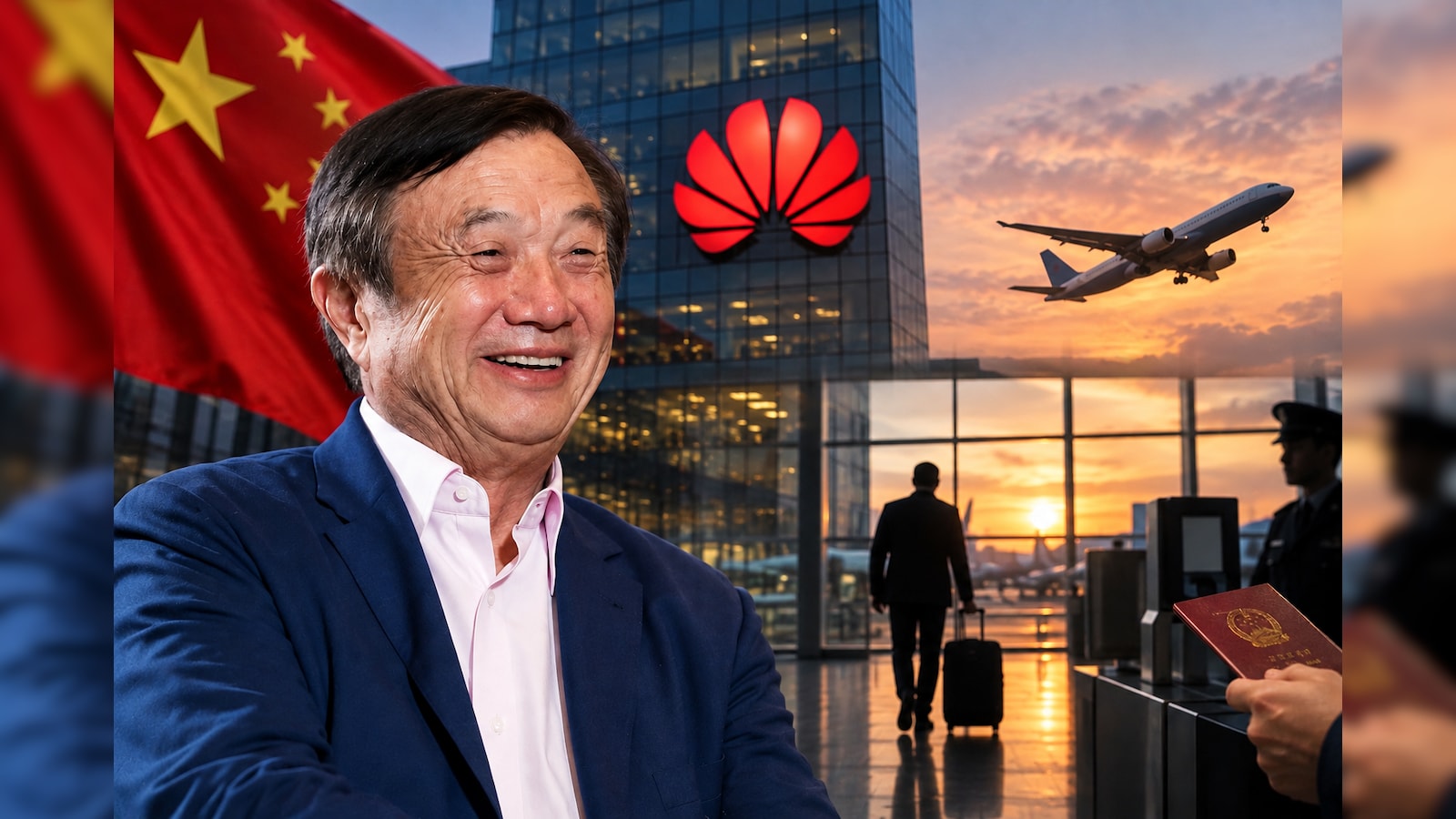
An unverified rumor circulating on Chinese social media claims Huawei founder and CEO Ren Zhengfei may have left China with members of his family shortly before tighter travel controls were due to take effect.
There is currently no credible evidence confirming that Ren has left the country, and Huawei has not publicly confirmed the claim. The reports appear to be based largely on social media posts, alleged internal company messages and speculation surrounding activity near Huawei facilities.
The story began spreading around September 12 and quickly gained attention because of separate discussion about new Chinese restrictions that could limit foreign travel for people working in strategically sensitive industries.
| Detail | Current status |
|---|---|
| Claim | Ren Zhengfei allegedly left China |
| Confirmation | None |
| Huawei response | No public confirmation or denial cited |
| Reported route | Maritime route near Shenzhen |
| Evidence | Unverified social media posts and alleged internal chats |
| New travel controls | Scheduled to take effect September 15 |
| Industries facing scrutiny | Technology, EVs, solar and rare earths |
Rumor appears tied to alleged internal messages
The speculation reportedly intensified after screenshots said to come from internal Huawei conversations began circulating online.
Those messages allegedly referred to unpaid wages and a stronger than usual police presence around the company’s headquarters.
At roughly the same time, separate posts claimed Ren and members of his family had traveled toward Shenzhen’s Dapeng Peninsula before leaving China by sea.
Some accounts also claimed that a vehicle associated with the family had been seen heading toward the coast.
None of these details have been independently verified.
Because the available information comes mainly from social media and anonymous claims, it should not be treated as confirmation that Ren or his family actually left China.
New exit controls may have fueled the speculation
The timing of the rumor is one reason it attracted attention.
China is introducing stricter exit controls intended to protect sensitive industrial and technical knowledge, particularly in sectors affected by export controls and international competition.
The rules are expected to give authorities greater power to examine travel plans, request supporting documents and restrict some individuals from leaving the country.
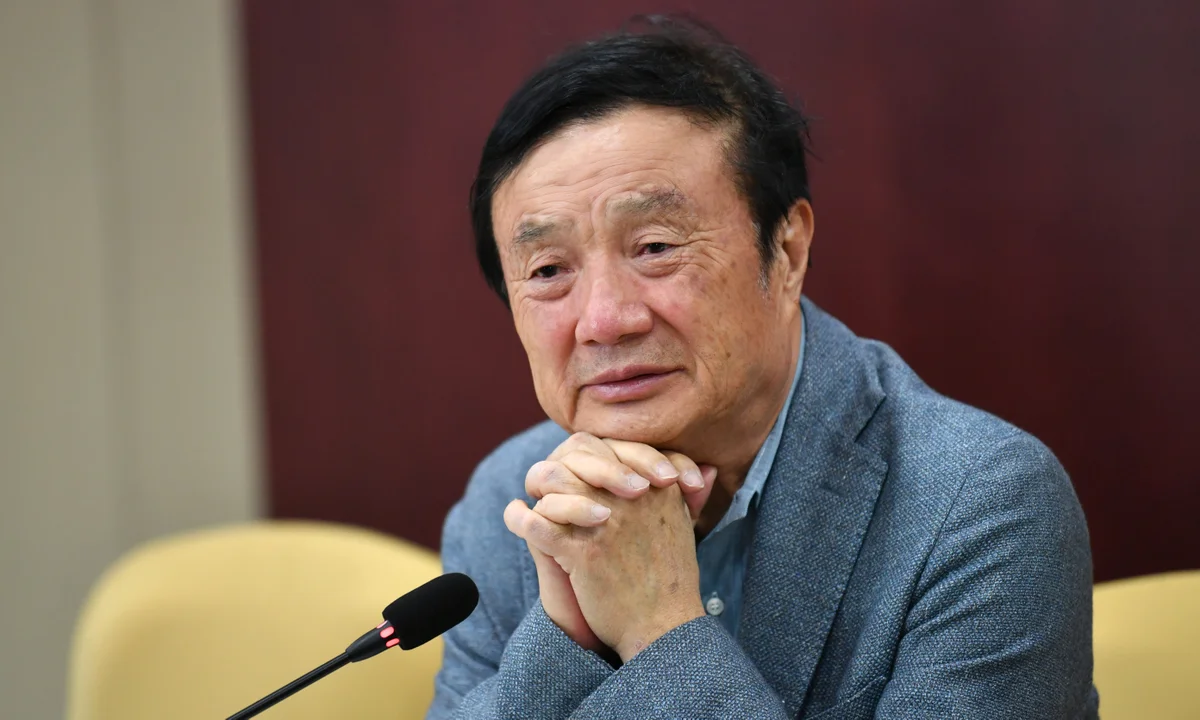
People linked to strategically important areas such as electric vehicles, solar technology and rare earths may face closer scrutiny.
Authorities may also restrict travel for people believed to pose risks to national industrial or technological security.
The rules also allow stronger measures involving people who violate export control or technology transfer regulations.
Huawei’s strategic importance adds to the interest
Huawei occupies a central position in China’s telecommunications and semiconductor industries, which makes any report involving its leadership especially sensitive.
The company has played an important role in China’s efforts to reduce dependence on foreign technology, particularly in areas affected by US trade restrictions.
That has led some commentators to suggest that senior Huawei executives could face greater travel scrutiny under tighter controls.
However, that possibility does not confirm the specific claim that Ren attempted to leave the country.
Lack of confirmation remains the key issue
The absence of an immediate public statement from Huawei has encouraged further speculation, but silence by itself is not evidence that the rumor is true.
Reports that Ren’s family has been difficult to contact since September 11 are also unverified.
For now, the story should be treated as an unconfirmed social media rumor rather than an established development.
Until Huawei, Chinese authorities or another credible independent source provides evidence, there is no reliable basis to conclude that Ren Zhengfei has left China.
The main confirmed development surrounding the timing of the rumor is the introduction of tighter travel controls designed to protect strategically important technology and industrial knowledge.


Discussion (0)
Be the first to comment.