



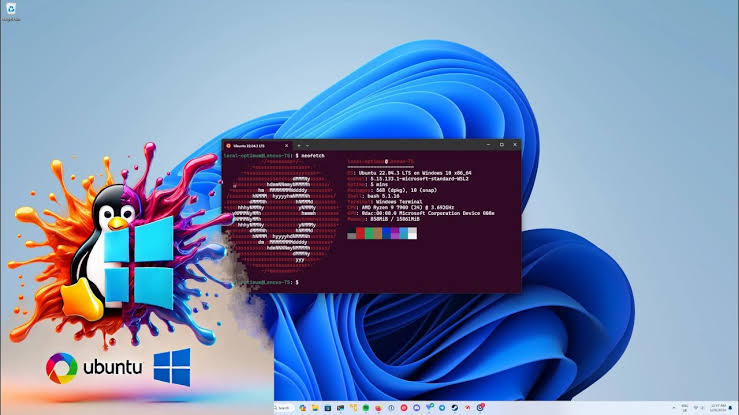
Canonical expects Ubuntu installations running through Windows Subsystem for Linux to surpass native Ubuntu desktop installations within the next few months.
The projection comes from Canonical engineering leadership, which says Ubuntu usage through WSL is growing substantially faster than traditional desktop installations.
If that trend continues, there could be more people running Ubuntu inside Windows than using Ubuntu as their primary desktop operating system before the end of 2026.
Ubuntu WSL growth is accelerating
Canonical says growth in its WSL user base has been significantly stronger over the past year than growth in native Ubuntu desktop usage.
| Area | Current trend |
|---|---|
| Ubuntu on WSL | Growing rapidly |
| Native Ubuntu desktop | Growing more slowly |
| Expected crossover | Within the next few months |
| Possible timing | Before the end of 2026 |
| Main audience | Developers, including AI and machine learning workloads |
The comparison is specifically between Ubuntu running through WSL and Ubuntu installed natively on desktop PCs.
It does not mean Windows has overtaken Linux in overall usage, nor does it include every Linux distribution.
WSL is becoming a practical Linux development environment
WSL was originally introduced to let developers use Linux tools without leaving Windows.
That role has expanded considerably.
Many developers receive Windows PCs from employers but still need Linux based tools for software development, AI work or machine learning. Instead of replacing Windows or configuring a dual boot setup, they can install Ubuntu through WSL and continue working inside the same machine.

That makes WSL particularly attractive in corporate environments where Windows remains the required host operating system.
It also reduces the friction involved in setting up a separate Linux installation.
Windows 11 improvements are helping adoption
Microsoft has continued improving WSL throughout 2026, making it more suitable for demanding workloads.
Recent improvements have focused on areas such as file performance, networking and setup.
Microsoft has also introduced WSL Containers, which allow developers to build and run Linux containers directly within Windows.
These changes make WSL more useful for workflows that previously required either a dedicated Linux system or a virtual machine.
AI and machine learning workloads are part of the shift
AI development is one of the areas helping drive Ubuntu usage on Windows.
Many AI and machine learning tools are designed with Linux environments in mind, while corporate laptops are often distributed with Windows.
WSL gives developers access to Linux without requiring them to abandon their existing Windows setup.
That combination is especially useful for developers working with command line tools, containerized applications, Python environments and Linux focused development frameworks.
Native Ubuntu is still important
The expected crossover does not suggest native Ubuntu desktop installations are disappearing.
Instead, it shows that Ubuntu is increasingly being used as a development environment inside another operating system.
That distinction matters because WSL users may rely on Ubuntu heavily without ever booting into a traditional Ubuntu desktop.
If Canonical's forecast proves accurate, Ubuntu could soon have a larger desktop presence inside Windows than on machines where it is installed as the primary operating system.
That would underline how much WSL has changed the relationship between Windows and Linux, especially for developers who need access to both platforms on the same PC.



Discussion (0)
Be the first to comment.