




Ubisoft has reported a record €1.3 billion IFRS operating loss for its latest fiscal year, marking one of the clearest signs yet of how deep the company’s reset has become. Net bookings fell 17 percent year over year to €1.525 billion as the publisher cut costs, narrowed its portfolio, and prepared for a lighter release schedule in FY2026 to 27.
The company expects the next fiscal year to remain difficult, with weak free cash flow in the near term before any planned rebound later in the cycle. Ubisoft is now trying to rebuild around a smaller set of projects, stricter quality standards, and a greater use of generative AI tools across development and game design.
Ubisoft says it canceled seven projects and delayed six others to raise its quality bar
Chief Financial Officer Frederic Duguet said Ubisoft has discontinued seven projects and delayed six others as part of its new discipline. The company says this reflects higher quality criteria and a sharper focus on projects with stronger potential. Recent releases such as Assassin’s Creed Shadows, Anno 117: Pax Romana, and the Avatar: Frontiers of Pandora expansion were cited as examples of improved quality, with each reaching Metacritic scores above 80.
Ubisoft’s recent performance has been mixed but more stable than some of its weaker years. Assassin’s Creed Shadows performed well, although it did not surpass Valhalla. Anno 117: Pax Romana set sales records for the strategy series, while Avatar: Frontiers of Pandora gained renewed attention through its From the Ashes expansion ahead of the next Avatar movie.
| Area | Ubisoft’s current plan |
|---|---|
| Reported loss | €1.3 billion IFRS operating loss |
| Net bookings | €1.525 billion, down 17 percent |
| Canceled projects | Seven |
| Delayed projects | Six |
| Main focus | Higher quality and fewer stronger releases |
| AI focus | Smarter NPCs, reactive worlds, and development tools |
| Core franchises | Assassin’s Creed, Far Cry, Ghost Recon, and Rainbow Six Siege |
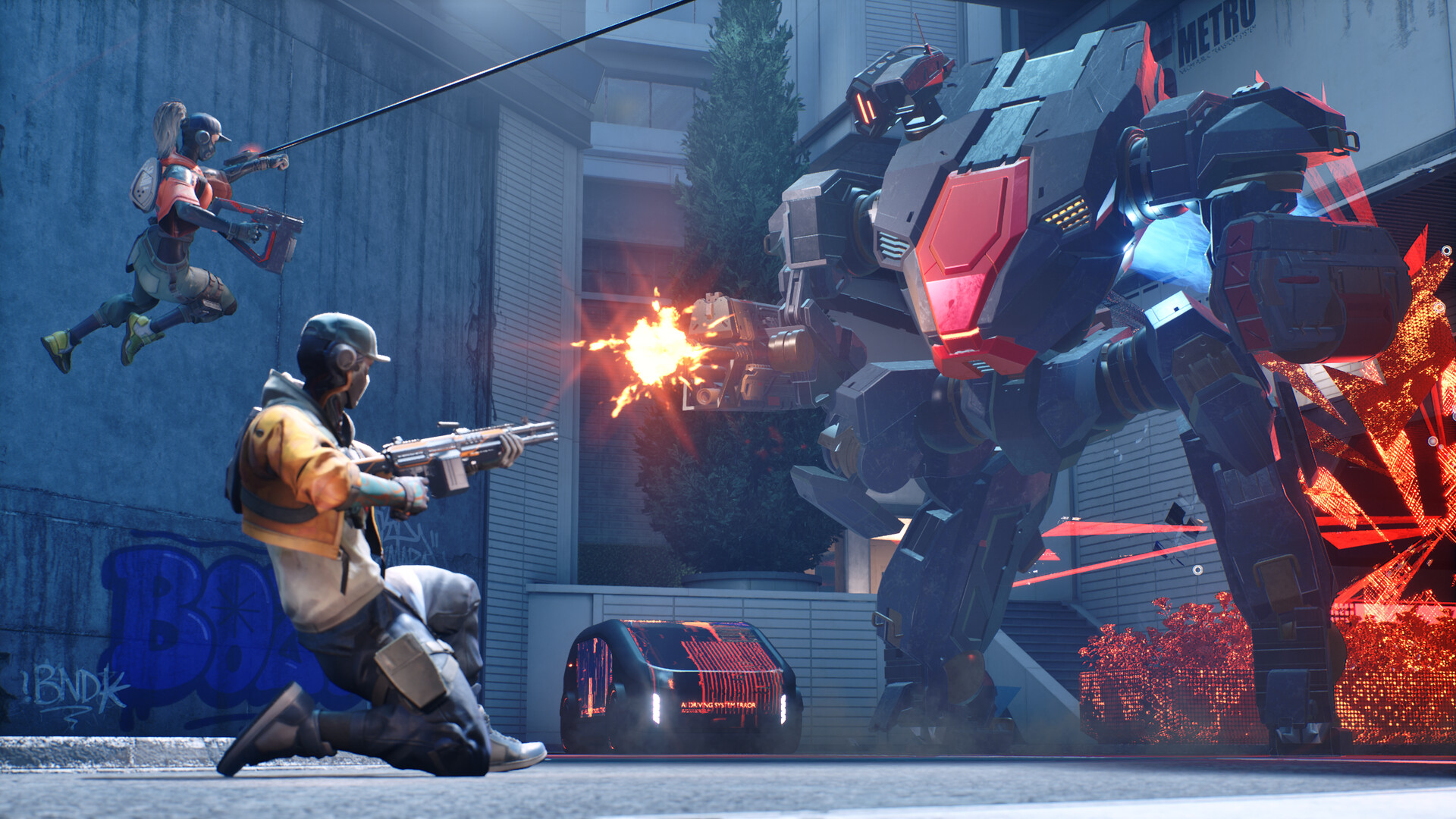
A major part of Ubisoft’s comeback plan is generative AI. The company is increasing investment in Teammates, its first playable generative AI experience. The project was first shown in 2025 as a way to test natural language interaction with non playable characters inside a game environment. Ubisoft now says it wants to use this technology to create smarter NPCs and more reactive game worlds.
The company is also looking at AI as a production tool. Duguet said Ubisoft is working on applications that can help manage the growing complexity of modern game development pipelines. That includes tools for quality control, smarter workflows, and systems that support development teams more efficiently. The goal is to help creative teams move faster while dealing with larger and more complex games.
Ubisoft’s long term pipeline will focus on Assassin’s Creed, Far Cry, and Ghost Recon, along with live service support for Rainbow Six Siege. That means the company is leaning on its biggest known brands rather than spreading resources across too many uncertain projects. Assassin’s Creed Black Flag Resynced is expected relatively soon, Ghost Recon is rumored to be one of Ubisoft’s next major releases, and the next Far Cry project has reportedly faced difficulties during development.
The company’s reset is clear, but the path back is not guaranteed. Cutting projects can reduce waste, and higher quality standards may help rebuild trust, but Ubisoft still needs games that sell strongly and arrive in good shape. Its AI push may also draw attention, especially if players feel it improves worlds and characters rather than simply cutting costs.
For now, Ubisoft is trying to prove that a smaller, more focused company can recover from years of uneven results. The next few releases will show whether stricter internal discipline and new AI tools can turn a record loss into the start of a real comeback.



Discussion (0)
Be the first to comment.