



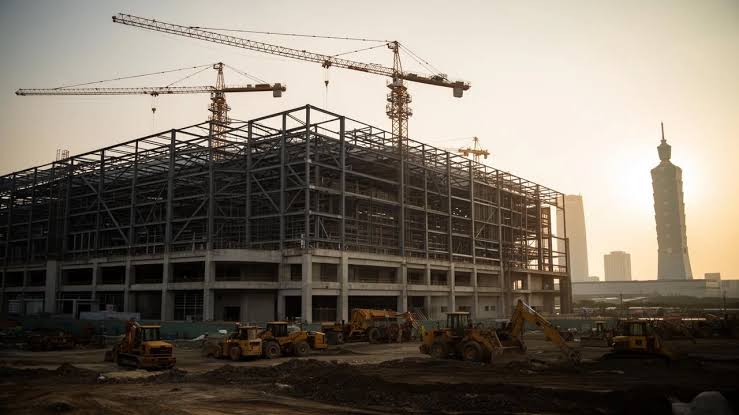
TSMC has reportedly secured the land needed for two future 1.4nm semiconductor fabrication plants in Taiwan, clearing a major obstacle that had delayed expansion plans at the Longtan Science Park.
The project had previously faced resistance from local landowners, which led TSMC to step away from the planned Phase 3 expansion in October 2023. That opposition has now eased, allowing the project to move forward with a larger development area and additional advanced packaging capacity.
The revised plan covers around 104.19 hectares and is expected to support two 1.4nm fabs along with a panel level advanced packaging facility.
TSMC's Longtan expansion at a glance
| Area | Current detail |
|---|---|
| Planned 1.4nm fabs | Two |
| Additional facility | Panel level advanced packaging plant |
| Expansion area | Around 104.19 hectares |
| Share of required land previously held locally | Around 88% |
| Expected 1.4nm pilot production | Second half of 2027 |
| Broader sub 2nm investment estimate | Around $49 billion |
| Total fabs tied to earlier sub 2nm plan | Four |
The change in local sentiment appears to have been influenced by the economic activity created around alternative semiconductor production sites. Local residents reportedly reconsidered the value of using the land for chip manufacturing compared with its existing agricultural use.
That matters because around 88% of the land required for the project was owned by local residents. Without their support, TSMC had limited room to continue with the original expansion.
The development zone had previously been reduced to 89.63 hectares, but the latest plan restores it to just over 104 hectares.
Pilot production could begin in 2027
TSMC's 1.4nm process remains one of the company's most important long term manufacturing projects.
Pilot production is expected to begin as early as the second half of 2027, with broader production following later if development and construction remain on schedule.
The company is expected to invest heavily in sub 2nm manufacturing. Earlier estimates placed the initial investment for four advanced fabs at roughly $49 billion.
Such spending reflects the increasing cost of developing leading edge semiconductor manufacturing. New process nodes require more expensive equipment, more complex facilities and increasingly sophisticated power, cooling and cleanroom infrastructure.
TSMC is also continuing to expand its 2nm production capacity. The company is expected to reach around 100,000 2nm wafers per month by the end of 2026 if current plans remain on track.
1.4nm will support future high end chips
The 1.4nm generation is expected to serve major customers developing future processors for smartphones, AI systems and high performance computing.
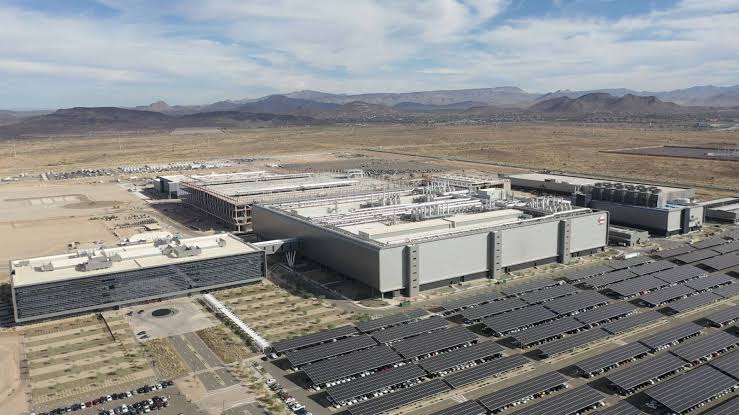
Apple is among the companies expected to use the process for future chips, although final product plans remain subject to change. Earlier expectations have pointed to a possible 1.4nm Apple processor arriving around 2028.
Securing the required land removes an important nontechnical obstacle for TSMC. The company still faces the normal challenges of constructing advanced fabs, installing equipment and bringing yields to commercially useful levels, but the Longtan expansion now has a clearer path forward.
The addition of an advanced packaging facility is also significant. Leading edge processors increasingly rely on sophisticated packaging alongside smaller process nodes, particularly for AI accelerators and other large multi chip designs.
With the land issue largely resolved, TSMC can now focus more directly on preparing its 1.4nm manufacturing base and expanding the infrastructure needed for the next generation of advanced chips.



Discussion (0)
Be the first to comment.