



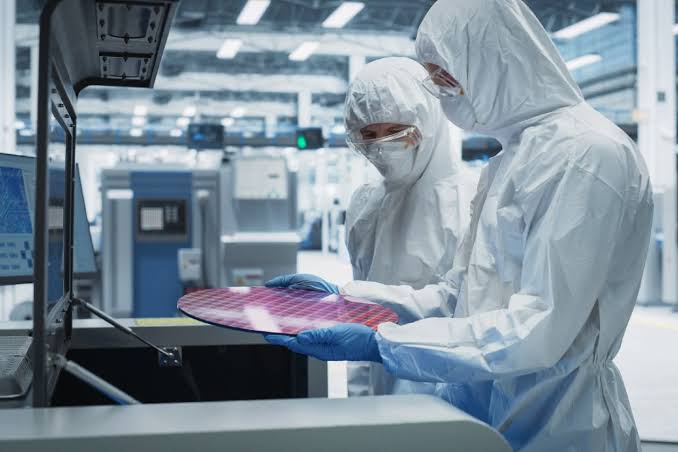
TSMC's employee bonuses rose sharply in the second quarter of 2026, increasing faster than the company's revenue as competition for semiconductor talent remains intense.
According to the company's SEC filings, TSMC paid roughly NT$36 billion in bonuses during the quarter. That represented about 50.6% annual growth, while second quarter revenue grew by around 36% to NT$1.2 trillion.
The figures show how strongly compensation costs are rising across the chip industry as companies compete for engineers and other specialists needed to support AI related demand, advanced process development and packaging expansion.
| TSMC Q2 2026 figure | Amount |
|---|---|
| Employee bonuses | NT$36 billion |
| Year over year bonus growth | 50.6% |
| Revenue | NT$1.2 trillion |
| Year over year revenue growth | 36% |
| Operating profit | NT$766 billion |
| Bonuses as share of operating profit | About 4.7% |
Bonuses reached nearly 5% of operating profit
TSMC's second quarter operating profit was about NT$766 billion.
The NT$36 billion bonus pool represented approximately 4.7% of that total. A year earlier, bonuses were around NT$24 billion and accounted for roughly 5.2% of operating profit.
That means the absolute amount paid to employees increased substantially, even though bonuses represented a slightly smaller share of operating profit than in the previous year.
The growth is notable because bonus spending increased faster than revenue, suggesting that employee retention and compensation remain significant priorities as demand for advanced semiconductor skills rises.
AI demand is pushing chipmakers to compete for workers
The broader semiconductor industry has already seen unusually large employee compensation packages during the AI boom.
Memory manufacturers have also increased bonuses and employment benefits as demand for technologies such as HBM has strengthened.
SK hynix, for example, has reportedly tied bonuses to operating profit, creating large payouts as its earnings have benefited from AI memory demand.
That wider context helps explain why TSMC is also increasing compensation. Engineers experienced in advanced nodes, packaging, yield improvement and high performance chip manufacturing are increasingly valuable as foundries and memory companies expand capacity.
TSMC is also involved in several areas where competition for technical talent is particularly intense, including advanced process technology and sophisticated AI chip packaging.
Employees reportedly received larger payouts
Employees quoted in Taiwan said the latest bonuses were paid on August 28 and were higher than the previous round distributed about four months earlier.
TSMC said its compensation strategy is intended to remain competitive with the wider industry while maintaining internal fairness and compliance. The company also emphasized profit sharing as part of its approach to attracting and retaining employees.
The company has not indicated that the latest increase represents a permanent change in its bonus formula.
Still, the second quarter figures underline the financial impact of the semiconductor industry's current talent competition.
TSMC's revenue and profit have benefited from strong demand for advanced chips, particularly those used in AI infrastructure. At the same time, maintaining the workforce needed to support that growth is becoming increasingly expensive.
The latest bonus figures show that a meaningful portion of those gains is being directed toward employee compensation as TSMC works to retain skilled workers in one of the most competitive periods the chip industry has seen in years.


Discussion (0)
Be the first to comment.