



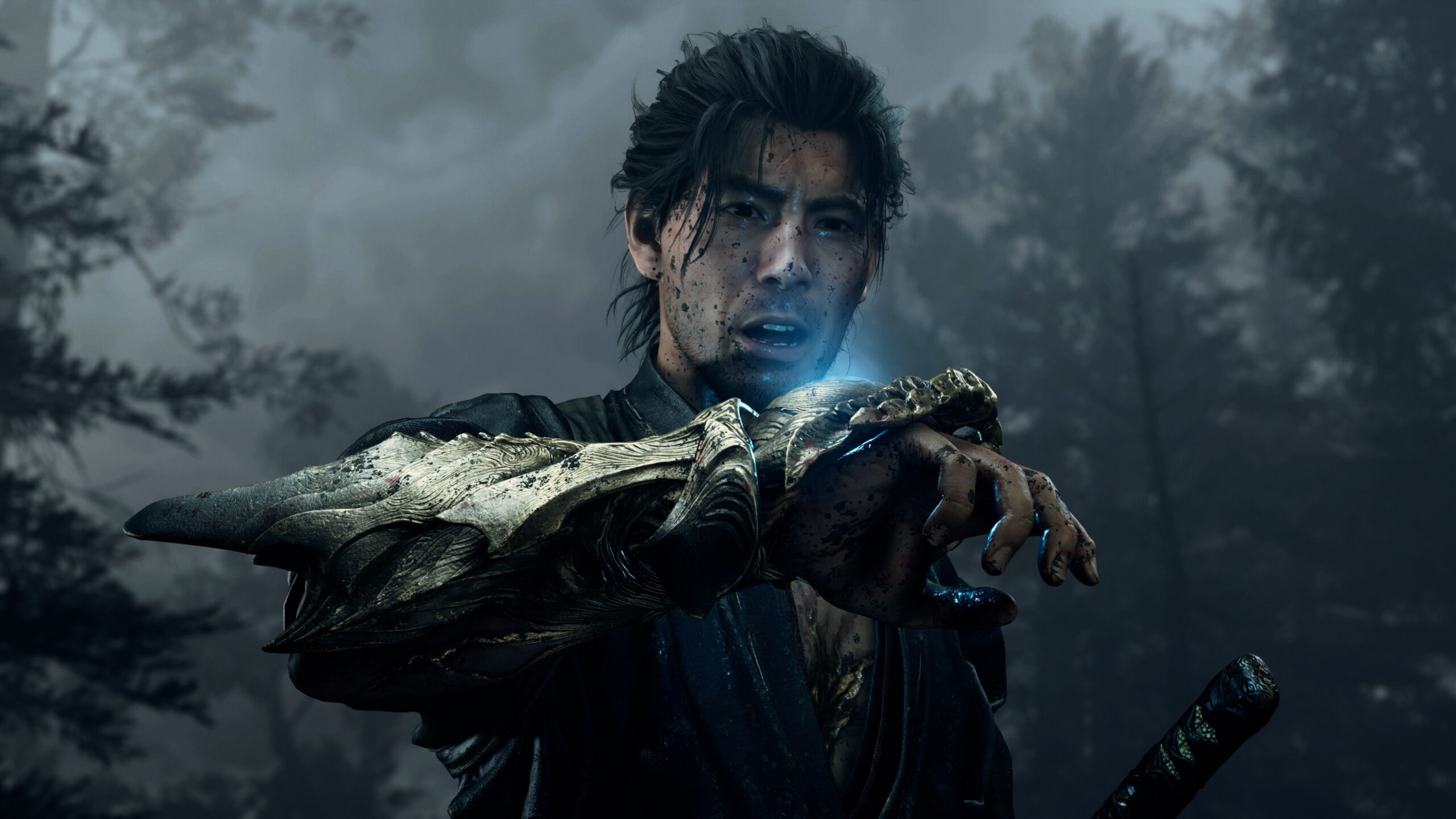
Stranger Than Heaven is changing the familiar Yakuza style brawler formula by moving combat inputs to the shoulder buttons and replacing traditional Heat moves with stamina based counterattacks. The Summer Game Fest 2026 demo focused only on combat, but it showed that Ryu ga Gotoku Studio is trying to make fights feel more deliberate, heavier, and more reactive than its older street brawls.
The demo did not show side quests, open exploration, or the larger story structure. Instead, it placed the player in a series of fights across different periods of Japanese history. The larger narrative still appears to span several decades, with characters aging as the story moves forward, but the hands on build was clearly designed to explain how the new fighting system works.
The result is still recognizable as a Ryu ga Gotoku Studio game, but the control scheme changes the way players approach every punch, kick, block, and dodge.
Stranger Than Heaven uses shoulder buttons for punches and kicks
The biggest combat change is the move away from face button attacks. In Stranger Than Heaven, Makoto Daito attacks using the shoulder buttons. L1 and L2 control left side attacks, while R1 and R2 control right side attacks. These can represent punches, kicks, or heavier swings depending on the weapon and combat flow.
This means the player’s thumbs are freed for movement, dodging, and blocking through the face buttons. It gives combat a different rhythm from older Yakuza and Like a Dragon brawler entries.
| Combat feature | How it works in Stranger Than Heaven |
|---|---|
| Attack inputs | Shoulder buttons |
| Left side attacks | L1 and L2 |
| Right side attacks | R1 and R2 |
| Defensive actions | Face buttons |
| Traditional Heat moves | Replaced by stamina based counterattacks |
| Enemy pressure system | Stamina drain creates counterattack openings |
| Demo focus | Combat across three historical periods |
This system sounds more physical than the older combo structure. Each limb has a clearer role, and charged attacks can change the pace of a fight.
Stamina replaces the usual Heat move rhythm
Stranger Than Heaven also changes how big damage moments work. Instead of building toward classic Heat actions, fights now revolve around stamina. Makoto and his enemies both have stamina, and that stamina affects how responsive they are during combat.
When an enemy’s stamina is drained, they become vulnerable to heavy counterattacks. This creates a more tactical layer because the goal is not only to reduce health. You also need to read pressure, push at the right time, and punish openings when an enemy loses control.
That should make fights feel more grounded. Instead of waiting for a flashy Heat prompt, the player is looking for stamina breaks and counter windows.
Group fights still need clearer targeting
The demo included traditional street fight style encounters, including large group fights where Makoto faced several enemies at once. These moments sound close to older Yakuza brawls, but the new control scheme also creates some issues.
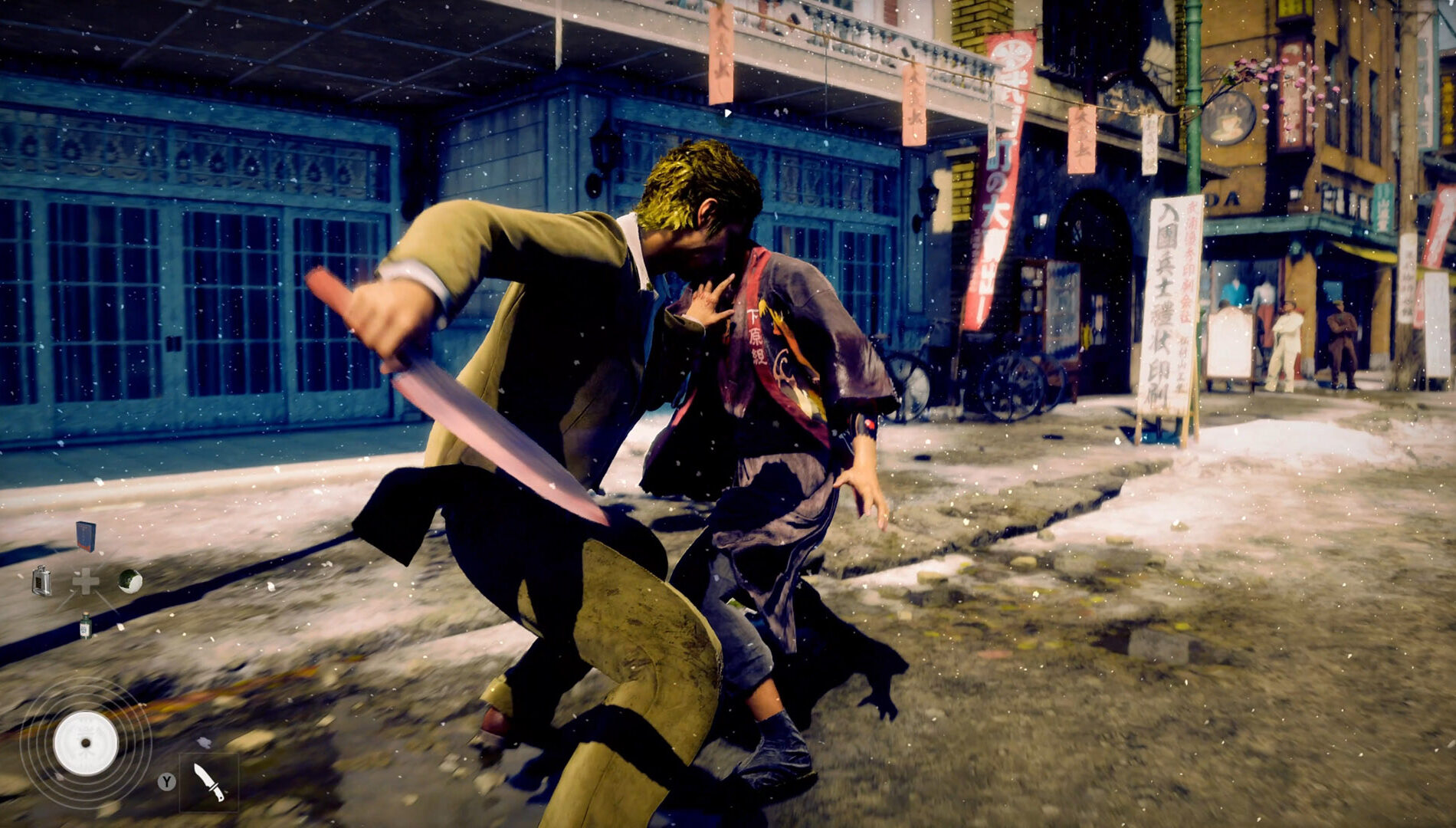
The soft lock on system reportedly shifted between enemies more than expected. In crowded fights, this made it harder to stay focused on the intended target. That could become frustrating if the final game does not offer better camera control or a more reliable lock on option.
Group combat is a major part of this studio’s identity, so this will be one of the most important areas to polish before launch.
The swordsman duel showed the system at its best
The most memorable fight in the demo was a duel against a master swordsman. Unlike the standard group encounters, this fight required more careful timing and positioning.
Blocking sword strikes still caused major damage, so dodging became more important than simply defending. The enemy also changed behavior as his health dropped. At one point, he could crouch and create a quick decision point between taking a drink or lunging forward with a low swing. Later, he gained a fast unblockable grab that could punish players for relying too much on blocking.
This kind of encounter suggests Stranger Than Heaven may have more dynamic boss fights than previous Like a Dragon brawler games. If these duels are common, the new combat system could feel more demanding and more rewarding.
The story may connect to the roots of the Tojo Clan
The demo did not explain the full story, but the article suggests that Stranger Than Heaven may eventually connect to Kazuma Kiryu’s destiny in Kamurocho. The game’s timeline spans multiple eras, and its characters could be tied to the foundation of the Tojo Clan.
Makoto Daito and Yu Shinjo appear to be central figures, and there is already speculation around their names and possible legacy. Nothing is confirmed yet, but Ryu ga Gotoku Studio is clearly building a historical crime drama with long term consequences.
That gives Stranger Than Heaven a strong hook. It can tell a new story while still feeling connected to the wider Like a Dragon universe.
Stranger Than Heaven looks familiar but plays differently
Stranger Than Heaven does not appear to abandon the Yakuza formula completely. It still has street fights, dramatic duels, period detail, and a larger underworld story. But the shoulder button combat and stamina based counter system give it a different feel.
The question is whether the new controls will stay exciting over a full game. The system sounds promising in one on one fights, but group combat may need refinement before launch.
Stranger Than Heaven is set to release on January 15, 2027, for PlayStation 5, Xbox Series X and S, and PC. It will also launch day one on Game Pass. For fans of Ryu ga Gotoku Studio, this could be one of the studio’s most interesting combat experiments in years.
Discussion (0)
Be the first to comment.