



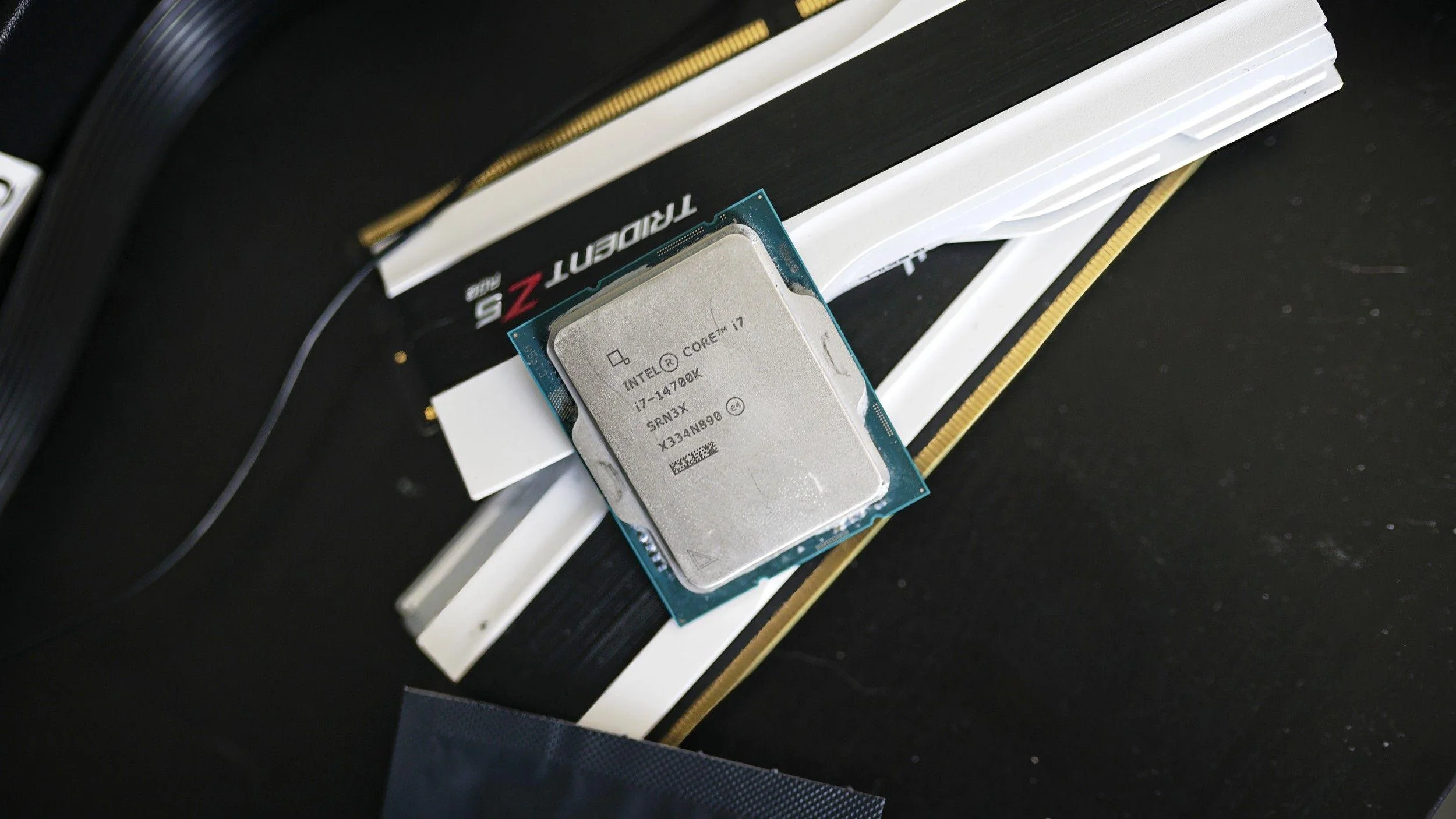
Intel is reportedly preparing another Raptor Lake refresh for early 2027, with the new lineup informally being called Raptor Lake Next. The move appears to be tied to rising demand for DDR4 based platforms, as expensive DDR5 memory continues to make newer desktop platforms harder to justify for budget focused buyers.
The reported plan would keep Raptor Lake alive even as Intel prepares Nova Lake desktop CPUs. Instead of fully replacing older platforms, Intel may allow Raptor Lake Next and Nova Lake to exist side by side. Nova Lake would serve newer DDR5 systems, while Raptor Lake Next would continue supporting buyers who want cheaper DDR4 motherboards and memory.
This would not be the first time Intel has extended Raptor Lake. The company launched the 13th Gen Raptor Lake family, followed it with 14th Gen Raptor Lake Refresh, and later brought some of those chips back under the simplified Core Series naming.
Raptor Lake Next could keep Intel’s DDR4 platform alive longer
The main reason for another refresh appears to be platform cost. DDR5 memory has become more expensive, and that affects both Intel and AMD systems. Newer platforms such as Intel LGA 1851 and AMD AM5 depend on DDR5, which can make the total upgrade price much higher than buyers expect.
DDR4 platforms remain attractive because motherboards and memory are cheaper, easier to find, and still fast enough for many gaming and productivity builds.
| Platform direction | Main purpose |
|---|---|
| Raptor Lake Next | Keep DDR4 systems active for budget and mainstream buyers |
| Nova Lake | Push Intel’s next generation desktop performance |
| DDR4 motherboards | Lower total platform cost |
| DDR5 platforms | Higher bandwidth but more expensive upgrades |
| Early 2027 target | Reported launch window for another Raptor Lake refresh |
If the report is accurate, Intel may be trying to avoid leaving budget PC builders with no affordable upgrade path.
Raptor Lake still appears to be outselling newer Intel desktop chips
One reason this strategy makes sense is that Raptor Lake based chips reportedly continue to sell well. Arrow Lake, also known as Core Ultra Series 2 on desktop, has not fully replaced the older lineup in demand.
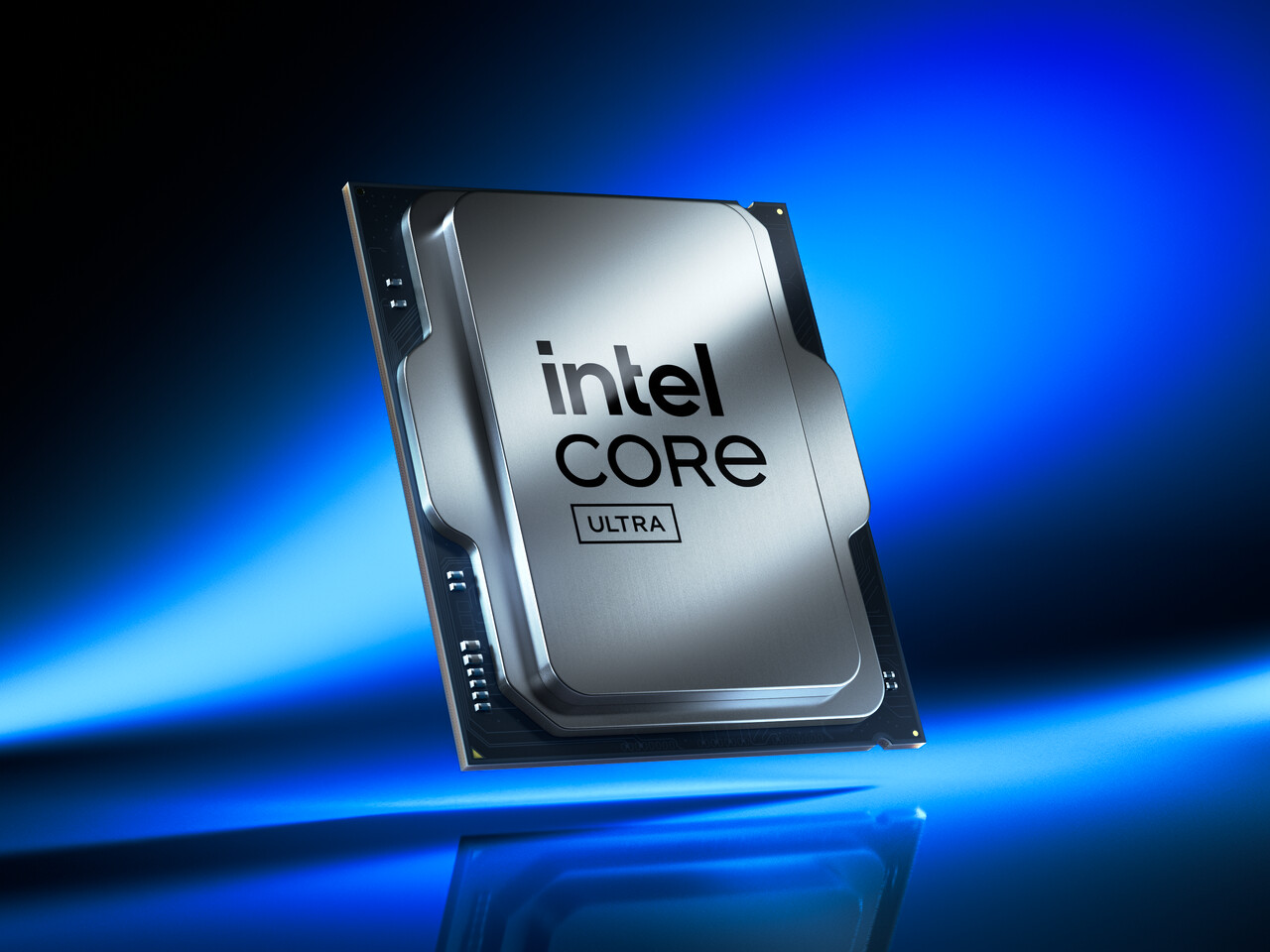
For many buyers, Raptor Lake still offers enough performance, especially when paired with cheaper DDR4 memory. That makes it easier to build a complete system without paying more for a new motherboard and DDR5 kit.
Intel may see Raptor Lake Next as a practical way to serve the market while Nova Lake targets higher end buyers and newer platform features.
Intel may not be alone in keeping older platforms alive
AMD has also shown signs that older platforms still matter. The company brought back the Ryzen 7 5800X3D in a new anniversary edition, reportedly after reworking parts of the production approach. That move makes sense because AM4 remains popular with budget buyers, especially during a period of high DDR5 prices.
Both Intel and AMD know that not every buyer wants to jump to the newest platform when memory prices are unstable. A cheaper CPU does not help much if the motherboard and RAM raise the full build cost too much.
That is why older DDR4 platforms are becoming more important again.
Intel has not confirmed the lineup yet
The Raptor Lake Next name is not official, and the current information is based on industry sources rather than a direct Intel announcement. It is also unclear whether Intel will introduce new SKUs, reuse older specifications, or apply a new naming convention to familiar silicon.
That detail matters. A real refresh could bring small clock changes, adjusted power targets, or revised product names. A simple re release would mainly help supply rather than performance.
Either way, the larger point is clear. Intel may not be ready to retire Raptor Lake because the market still wants lower cost DDR4 options.
DDR4 demand is shaping desktop CPU strategy again
The desktop CPU market is being pushed by more than performance charts. Memory prices, motherboard costs, and platform longevity now matter more than ever. Buyers who already own DDR4 memory or want to build affordable systems may prefer a mature Raptor Lake platform over a newer DDR5 only setup.
That creates an opening for Intel. If Raptor Lake Next launches in early 2027, it could serve gamers, office users, and budget builders who want a familiar platform with lower upgrade costs.
Nova Lake may still be Intel’s real next generation product, but Raptor Lake Next could be the practical option for a large part of the market.
If the report proves accurate, Intel’s desktop roadmap will become more split than usual. One side will focus on new performance and platform features. The other will focus on keeping affordable DDR4 systems alive while memory prices remain high. Given the current state of the market, that may be a sensible move rather than another unnecessary refresh.



Discussion (0)
Be the first to comment.