



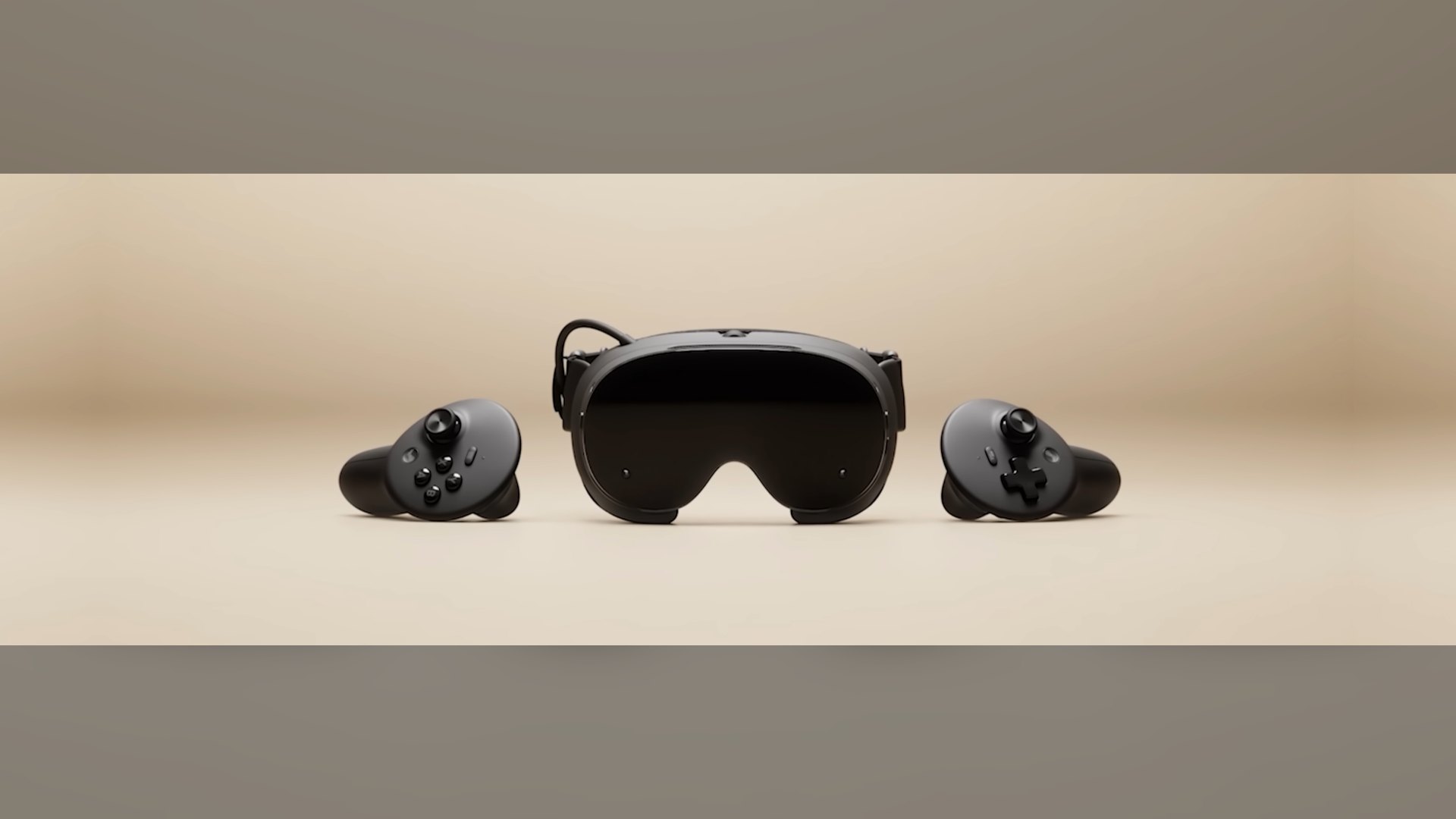
Valve says the newest SteamOS beta for Steam Frame improves battery lifetime by up to 12 percent, in streaming and local play alike. That figure is a ceiling rather than a measured average, and Valve publishes no before-and-after runtime hours for the headset.
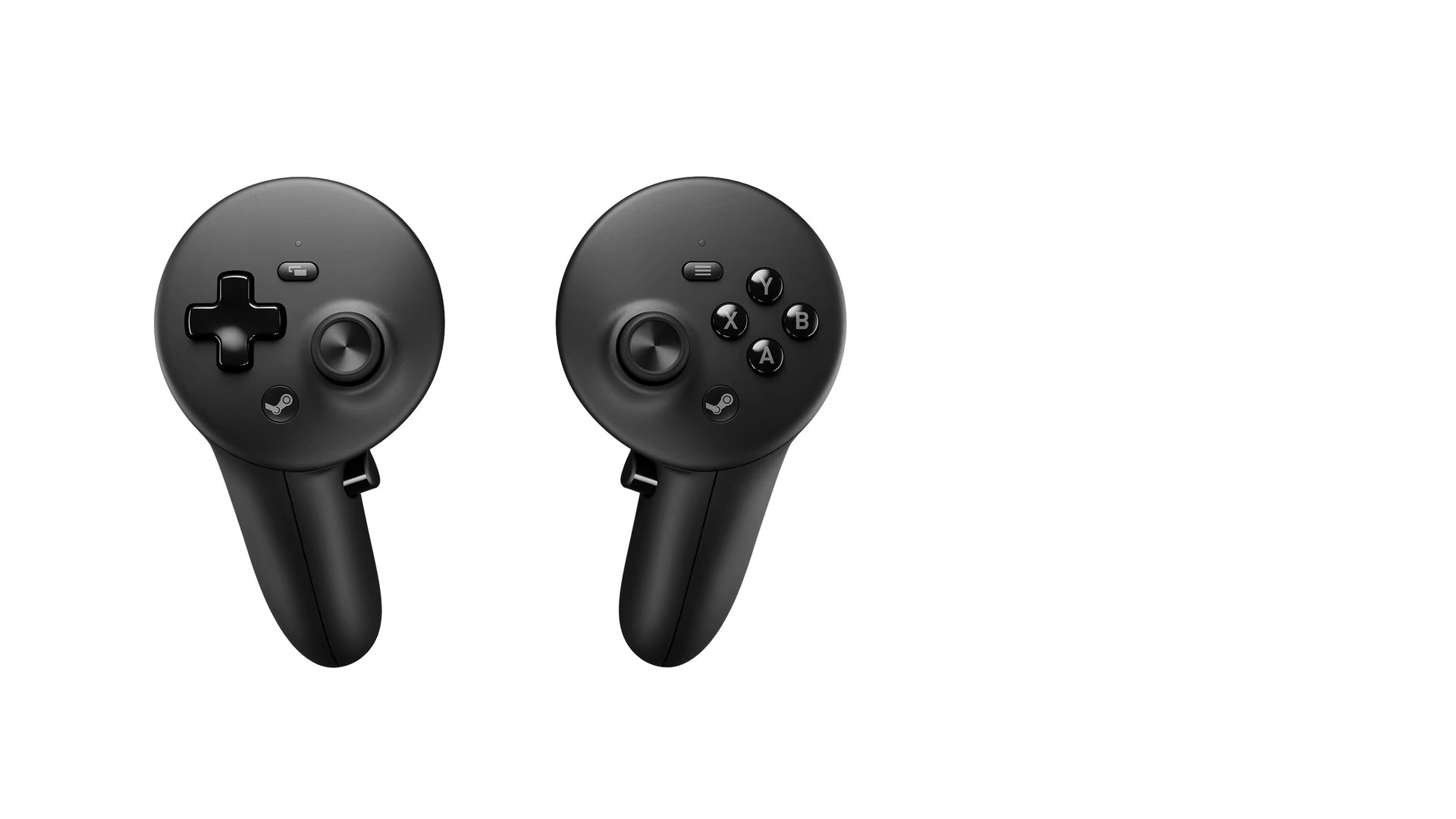
The build is SteamOS 0.4.3 for Steam Frame, and Valve posted the release notes on October 1, 2026. It goes to the Steam Frame Beta channel, which owners have to opt into in the system update settings.
Battery behaviour is the only power claim in the release. The rest of the notes cover streaming reliability, a controller binding fix and one accessibility option.
What the release notes actually say
The relevant line sits under the General heading. The bullet reads “Improved power efficiency and battery lifetime during both streaming and local gameplay, with gains of up to 12%” in full.
The same bullet carries its own caveat. Valve adds “Result vary depending on framerate and content”, typo included.
So 12 percent is a best case, not a baseline. A heavier scene at a higher framerate should return less of it.
Streaming and standalone are both named
The two modes load the headset in different ways. Streaming leans on the radio and the video decoder, while standalone play runs the game on the chip inside the headset.
Valve covers both in a single phrase, “during both streaming and local gameplay”, and attaches one number to the pair. It does not split the gain between them.
That matters, because savings in the streaming path and savings in the standalone path normally come from different parts of the system. Valve does not say which part changed.
What Valve leaves unpublished
Valve’s own Steam Frame spec page lists the power hardware as a “Rechargeable 21.6 Wh Li-ion battery”. It charges over one rear USB-C 2.0 port at up to 45 W.
What the page does not list is a runtime figure for the headset. There is no stated hours-per-charge number for either mode.
The only playtime figure Valve publishes is for the controllers. Each runs on a single AA cell for roughly 40 hours, according to that page.
Without a published baseline, 12 percent cannot be converted into extra minutes of play. The iFixit teardown of the headset covered the hardware around that cell in more detail.
Where 0.4.3 sits in the update run
SteamOS 0.3.0 was the first public patch for the headset, on September 17, 2026, and it brought faster charging and graphics changes. Faster charging is a refill improvement, not a runtime one.
Two beta builds followed before this one. Versions 0.4.1 and 0.4.2 dealt with streaming reliability, dashboard behaviour and proximity detection, and neither made a power claim.
Steam Frame also runs on its own software branch. That separation showed when SteamOS 3.8.28 improved VRAM management without touching the headset.
How owners get it
Version 0.4.3 is opt-in. The system update channel has to be switched to Beta under Settings, then System.
Valve asks for a matching change on the PC side as well. SteamVR 2.18.2 or later is needed to reduce the “Error 17” connection failures this release targets. At the time of the post, that version sat on a SteamVR branch.
Valve has not said when the battery work reaches the stable channel, and it is still working through reservation waves for the hardware itself. Until the change ships broadly, the only number attached to it is Valve’s own ceiling of 12 percent, with no published hours on either side of it.

Discussion (0)
Be the first to comment.