



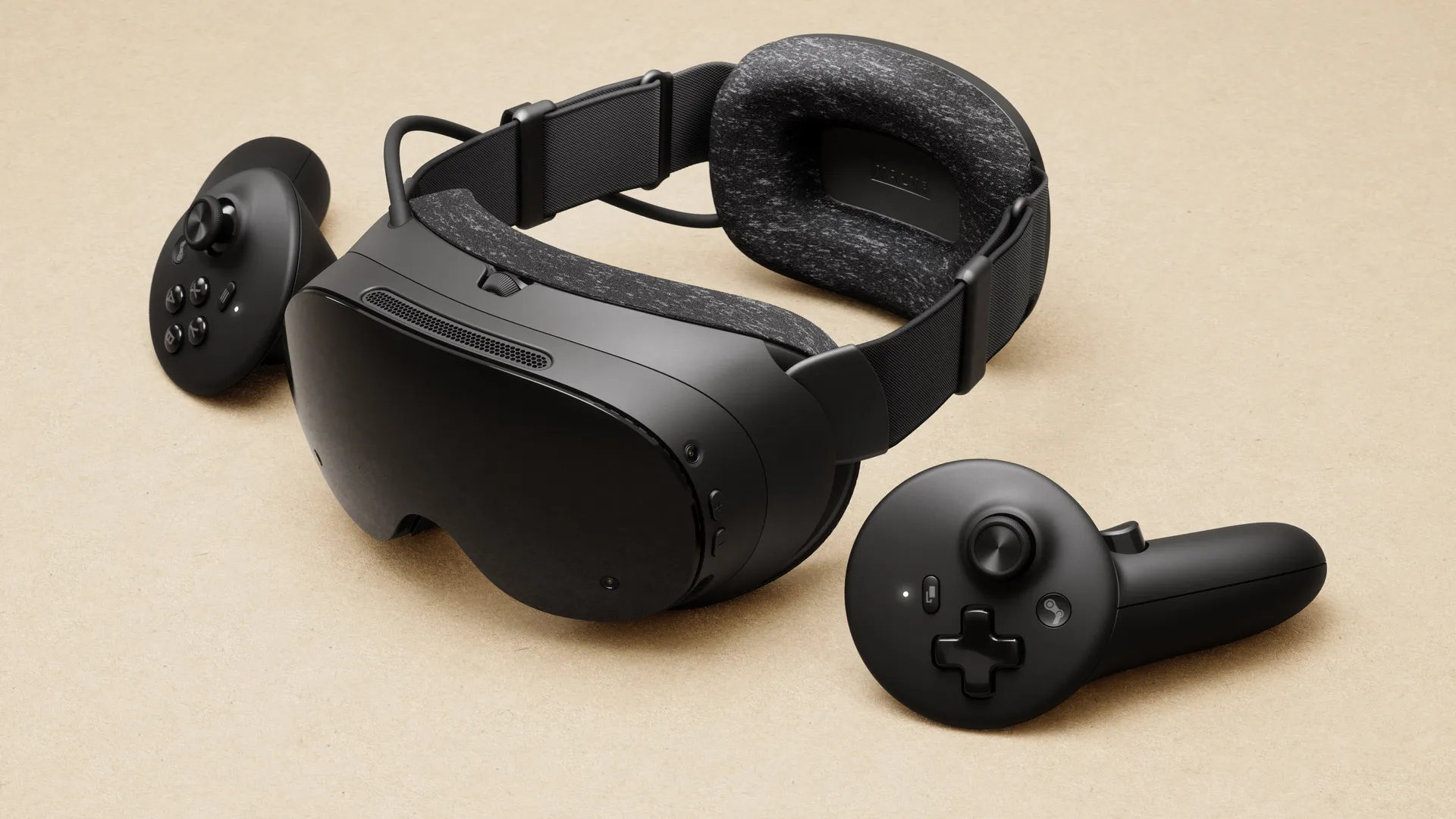
Valve’s Steam Frame headset has appeared in a leaked Welcome Tour video, giving an early look at the first setup experience players may see when using the device. The clip does not reveal new hardware details, but it does show parts of the SteamOS based VR interface and how Valve may guide players through the headset’s basic controls.
The footage was posted online and is said to come from an early Welcome Tour build. It was reportedly recorded using a Valve Index, so it should not be treated as a direct capture from the unreleased Steam Frame headset itself. Even so, the software appears to be built around the same interface Valve is preparing for Steam Frame.
The video shows a first run tutorial that introduces controller setup, interface controls, and a prompt asking whether the headset should connect to a PC. That fits Valve’s plan for Steam Frame as a standalone VR headset that can also stream games from a PC.
Steam Frame looks closer to SteamOS than a traditional VR menu
The leaked interface appears to be based on SteamOS and looks similar to Steam Big Picture Mode. That makes sense because Valve seems to be bringing its wider Steam ecosystem into VR rather than building a completely separate experience.
This could be one of Steam Frame’s biggest strengths. Valve already has SteamOS on Steam Deck, and the company has spent years improving its controller friendly interface for handheld and living room play. If Steam Frame uses a familiar SteamOS style layout, it may feel easier for existing Steam players to understand.
The setup tutorial reportedly includes a guide for opening and hiding the interface. That may sound basic, but these first steps matter a lot in VR. A headset can feel confusing if the menu system is hard to reach or if new players do not know how to move between apps, games, and settings.
The clip also shows unfinished parts of the software. Some text still refers to Steam Frame by its older Deckard codename, and placeholder elements are visible in the interface. That suggests the Welcome Tour is still being worked on and may look different by launch.
| Steam Frame detail | Confirmed or shown information |
|---|---|
| Processor | Snapdragon 8 Gen 3 |
| Memory | 16GB LPDDR5X |
| Storage | 256GB or 1TB UFS |
| Displays | Dual 2160 x 2160 LCD panels |
| Refresh rate | 72Hz to 144Hz |
| Connectivity | Wi-Fi 7 |
| Tracking feature | Eye tracking |
| Battery | 21.6 Wh |
| Software style | SteamOS based interface |
| PC support | Prompt shown for connecting to a PC |
The leak does not change the hardware story
Valve has already confirmed the main Steam Frame specifications, so this leak is more about software than hardware. The headset uses a Snapdragon 8 Gen 3 processor, 16GB of LPDDR5X memory, and either 256GB or 1TB of UFS storage.
The display setup includes dual 2160 x 2160 LCD panels with refresh rates ranging from 72Hz to 144Hz. Valve has also confirmed eye tracking, Wi-Fi 7, and a 21.6 Wh battery.
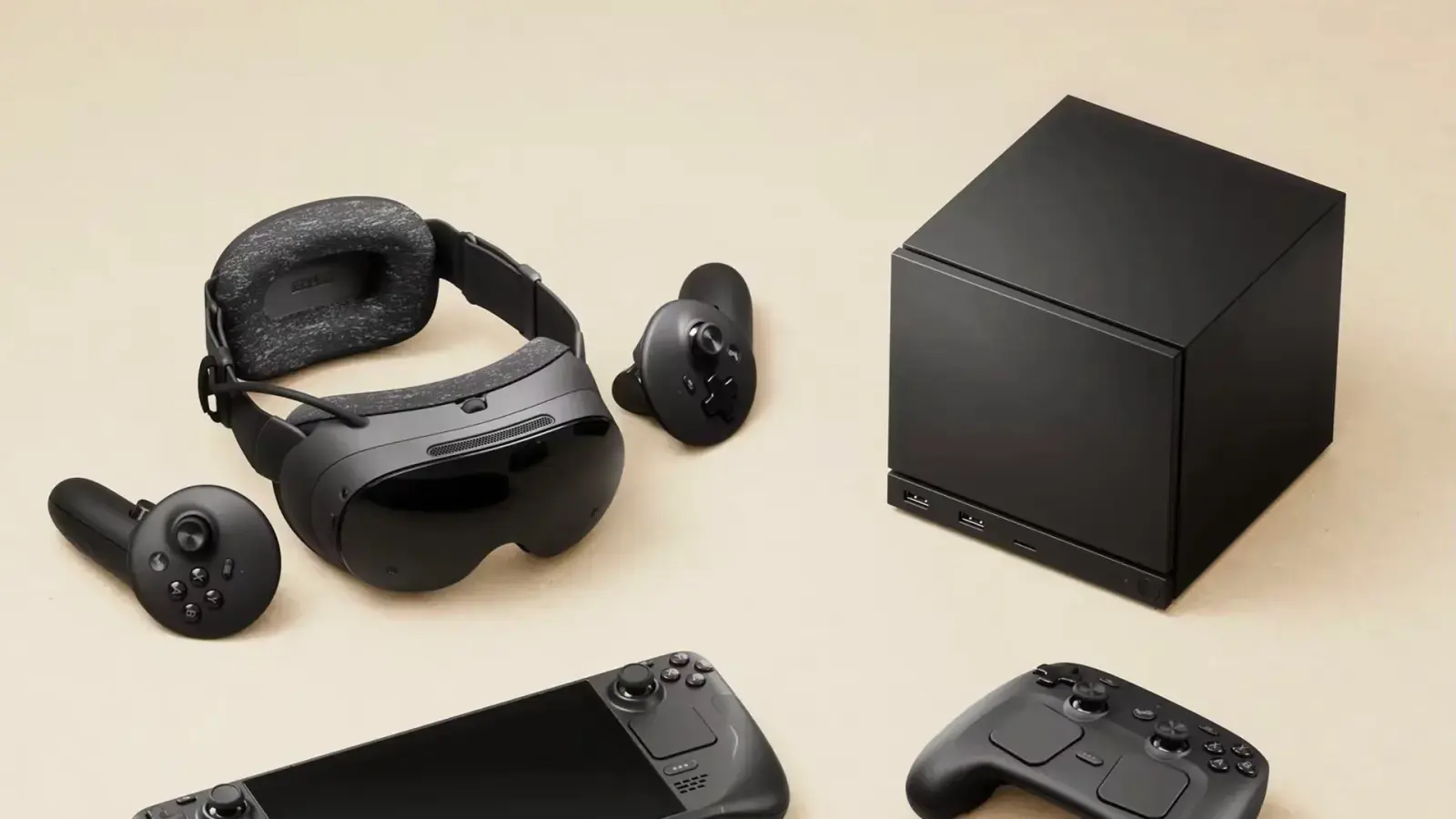
Those specifications place Steam Frame in an interesting position. It is not simply a PC VR headset, and it is not only a standalone device. Valve appears to be aiming for something that can work on its own while still staying connected to the larger Steam PC gaming library.
That approach could give Steam Frame a strong identity if the software is smooth. Standalone VR headsets are easier to use, but PC VR still has a much larger and more flexible game library. If Steam Frame can move between both worlds without making setup painful, it could appeal to players who want a simpler path into Steam VR.
Valve’s biggest challenge will be making setup feel effortless
The Welcome Tour leak matters because VR setup can make or break the first impression. A headset may have strong hardware, but if pairing controllers, connecting to a PC, adjusting settings, or finding games feels messy, many players will lose interest quickly.
Valve already learned this lesson with Steam Deck. The handheld succeeded partly because it made PC gaming feel more console like without fully closing the system. Steam Frame may need the same kind of balance. It has to feel simple for new buyers, but flexible enough for PC players who want deeper control.
The leaked tutorial suggests Valve is thinking carefully about onboarding. Showing players how to access the interface, manage controllers, and connect to a PC is a small but important part of that.
There are still many unknowns. The video does not confirm final software performance, launch pricing, comfort, weight, battery life in real use, or how well PC streaming will work. It also does not show whether Valve has solved common VR problems like app discovery, frictionless updates, and quick resume style play.
Still, the leak gives a useful early look at Valve’s direction. Steam Frame appears to be built around SteamOS, familiar Steam design language, and a hybrid standalone plus PC streaming model. If Valve can polish the Welcome Tour and make the headset easy to use from the first boot, Steam Frame could become one of the more important VR launches of the year.



Discussion (0)
Be the first to comment.