



A string buried in an AMD graphics driver has restarted the Steam Deck 2 conversation. The codename "Gainsborough" appeared in files shipping with AMD Software: Adrenalin Edition 26.9.2, a driver released on September 29.
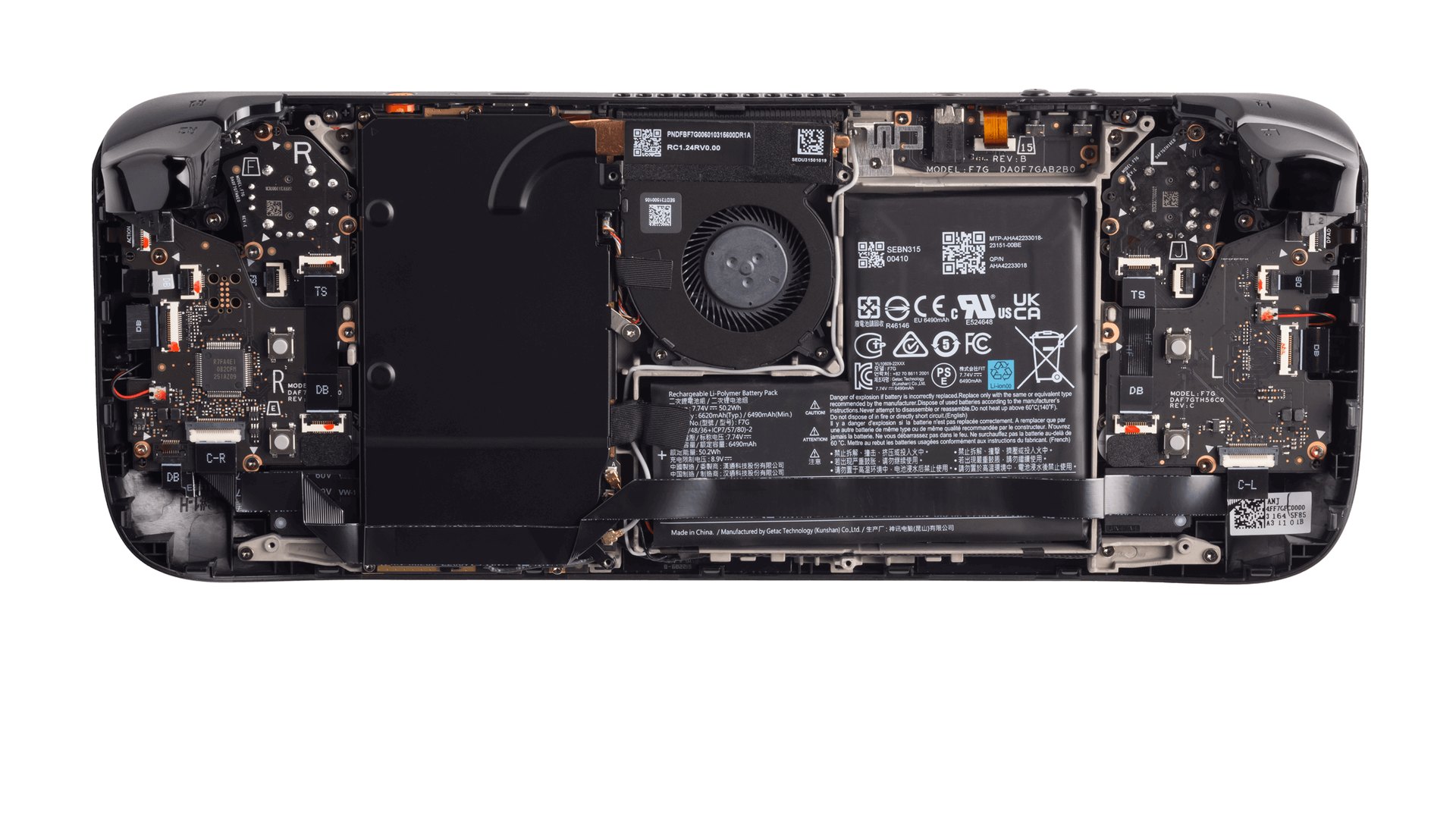
A forum user posting as SixPie spotted the entry and published it. A leaker who goes by Olrak29 followed with an import and export shipping manifest that ties the same codename to a previously unseen socket designation, FF6.
Those two artefacts are the hard evidence in full. Everything attached to the story since comes from a hardware leak channel, not from Valve or AMD.
Why a codename set off a Steam Deck rumor
The current Steam Deck's custom chip is widely known in hardware circles by the codename Aerith. Aerith Gainsborough is the full name of the Final Fantasy VII character.
Valve publishes no codename of its own. Its Steam Deck spec page describes the part only as an AMD APU.
Neither Valve nor AMD has said the wordplay reflects a product relationship. The naming pattern is the reason the string drew attention, and it is circumstantial.
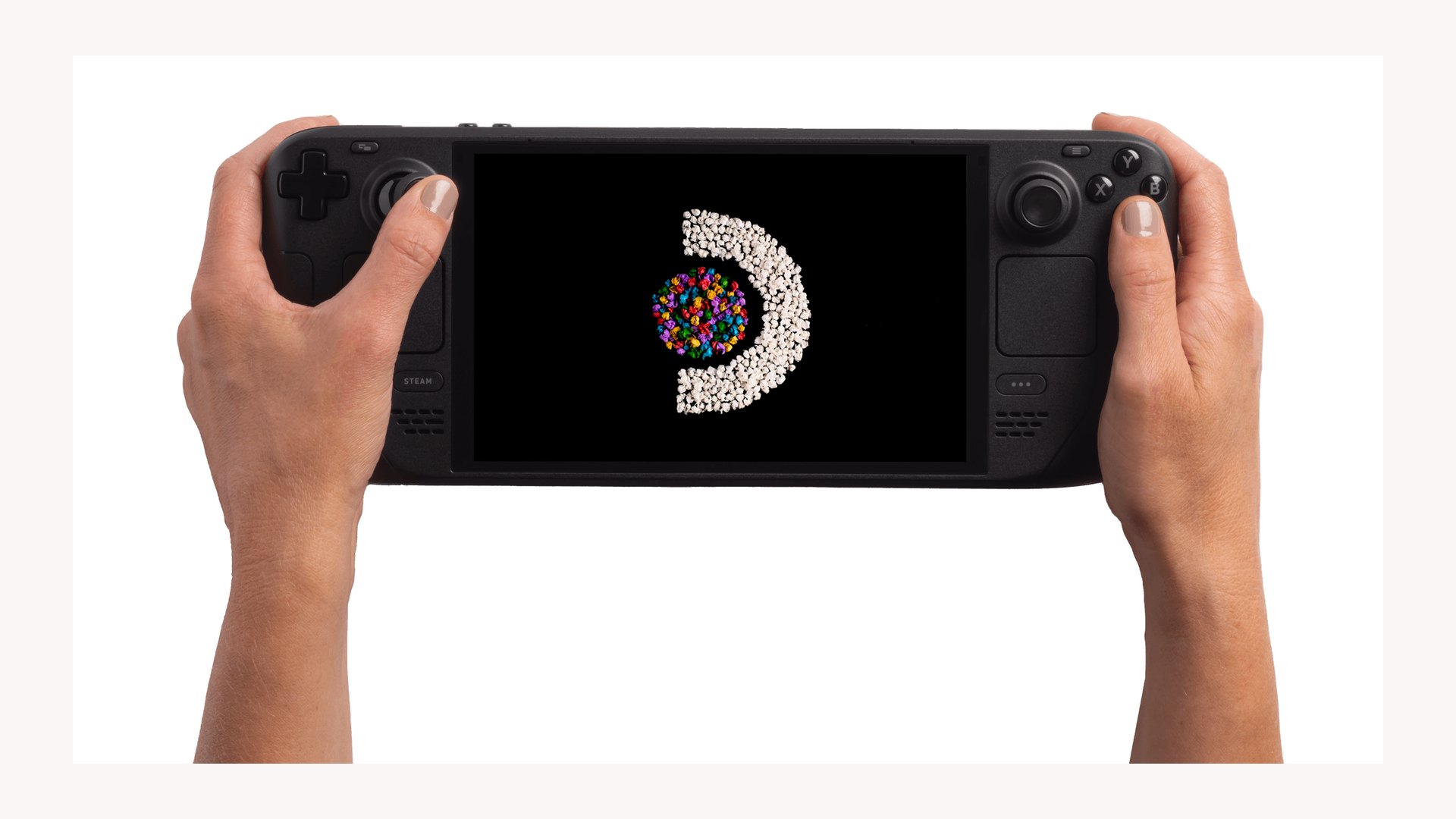
What the leak claims about Gainsborough
The architecture claims do not come from the driver or the manifest. They come from a leak channel that describes Gainsborough as a semi-custom part from AMD's S3 team, the group associated with console silicon.
The claimed configuration spans four to eight Zen 6c CPU cores and 12 to 24 RDNA 5 compute units, built on TSMC's N3P 3nm process. That range is wide enough to read as a set of candidate configurations rather than a settled design.
The same source puts the earliest plausible arrival at late 2027 or 2028. No clock speeds, memory configuration, power envelope or price has been reported, and the TSMC node is itself a cost pressure AMD is already contending with.
What Valve has actually said
Valve has been public and consistent about its bar for a sequel. Steam Deck designer Lawrence Yang has said the company is "not doing the yearly cadence" and will not "do a bump every year".
Yang said a real second generation waits for "a generational leap in compute without sacrificing battery life". He has also said that shipping something only incrementally better is not fair to customers.
Valve engineer Pierre-Loup Griffais said in September that work on a successor is under way. He added that the global memory shortage has "not really" changed those plans, and repeated the bar as a "very delineated performance improvement".
Valve has committed to no chip, no price, no product name and no release window. That silence sits oddly next to a handheld market where rivals refresh far more often.
Zen 6 is official, RDNA 5 is not
Only one of the two architectures in the leak is a name AMD has attached to a shipping product. AMD announced the production ramp of its EPYC processor codenamed Venice, built on the Zen 6 core architecture and TSMC's 2nm process.
RDNA 5 is a different matter. AMD's own graphics architecture page stops at RDNA 4, the generation behind the Radeon RX 9000 Series.
No AMD product or page carries the RDNA 5 name. It is leak shorthand for a generation AMD has not announced, which makes it the weakest link in the chain.
How this compares with the Steam Deck Valve sells
| Specification | Steam Deck OLED, per Valve | Gainsborough, reported only |
|---|---|---|
| CPU | Zen 2, 4 cores and 8 threads | 4 to 8 Zen 6c cores |
| GPU | 8 RDNA 2 compute units | 12 to 24 RDNA 5 compute units |
| Process | 6 nm | TSMC N3P 3nm |
| Memory | 16GB LPDDR5 | Not reported |
| APU power | 4 to 15W | Not reported |
| Availability | On sale | Late 2027 or 2028 at the earliest |
The left column matters because Valve has never moved the Deck's architecture. The 2022 LCD model and the 2023 OLED revision both run Zen 2 and the same eight RDNA 2 compute units, with only the node shifting from 7nm to 6nm.
Valve has kept improving the hardware it already sells instead, most recently through SteamOS memory management changes. A codename in a driver is not a product, and semi-custom programmes routinely tape out silicon that never reaches retail.
Until Valve names a chip, the only confirmed facts here are a string, a manifest entry and a socket designation. The rest should be treated as unverified.
Discussion (0)
Be the first to comment.