



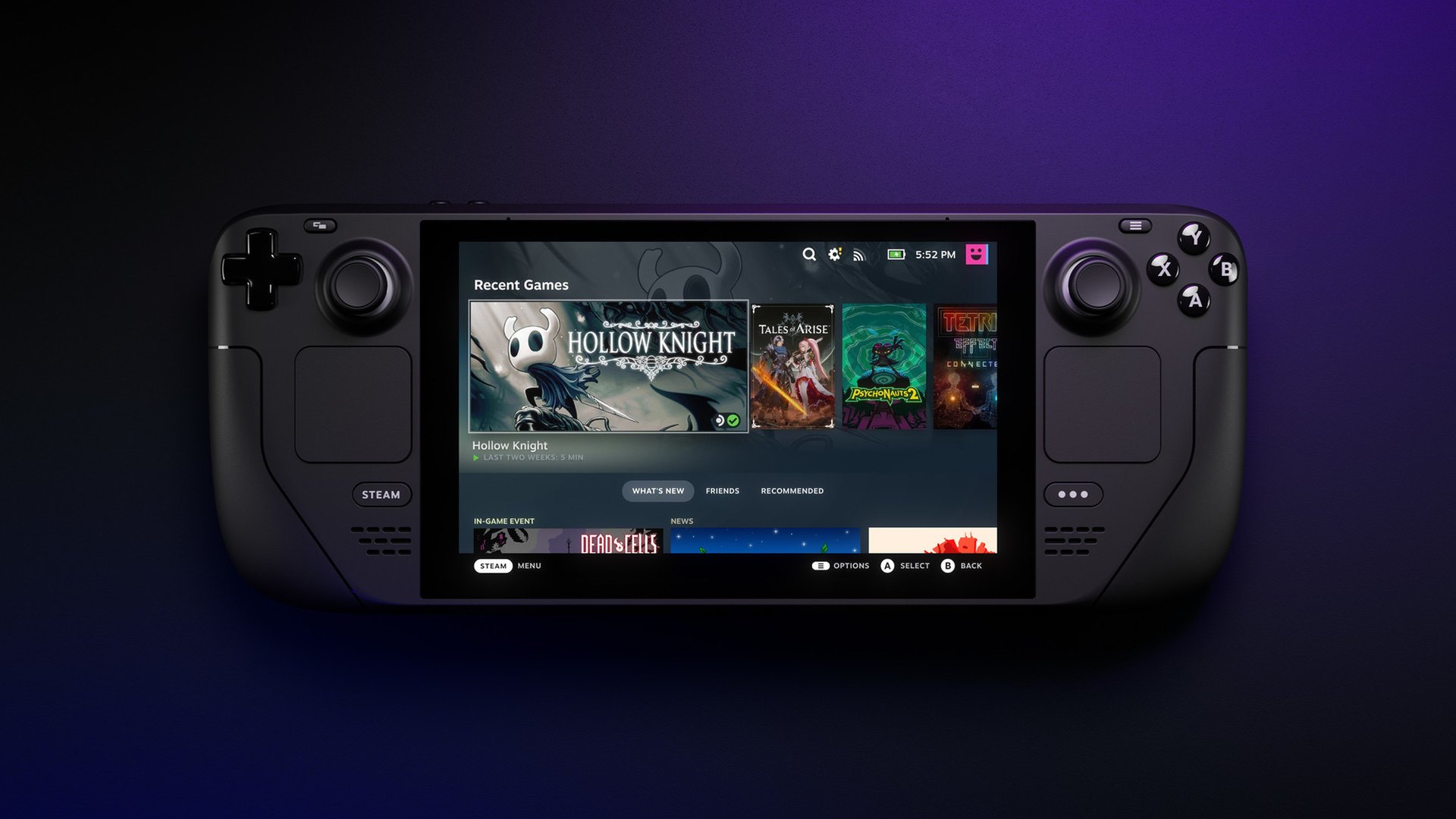
Valve released a large Steam Client update to the Stable channel on October 13, 2026, moving months of Steam Deck work out of opt-in beta. The release adds a Big Art Mode home screen, a built-in screensaver system and an experimental streaming codec, and Valve attaches no measured performance or battery figure to any of it.
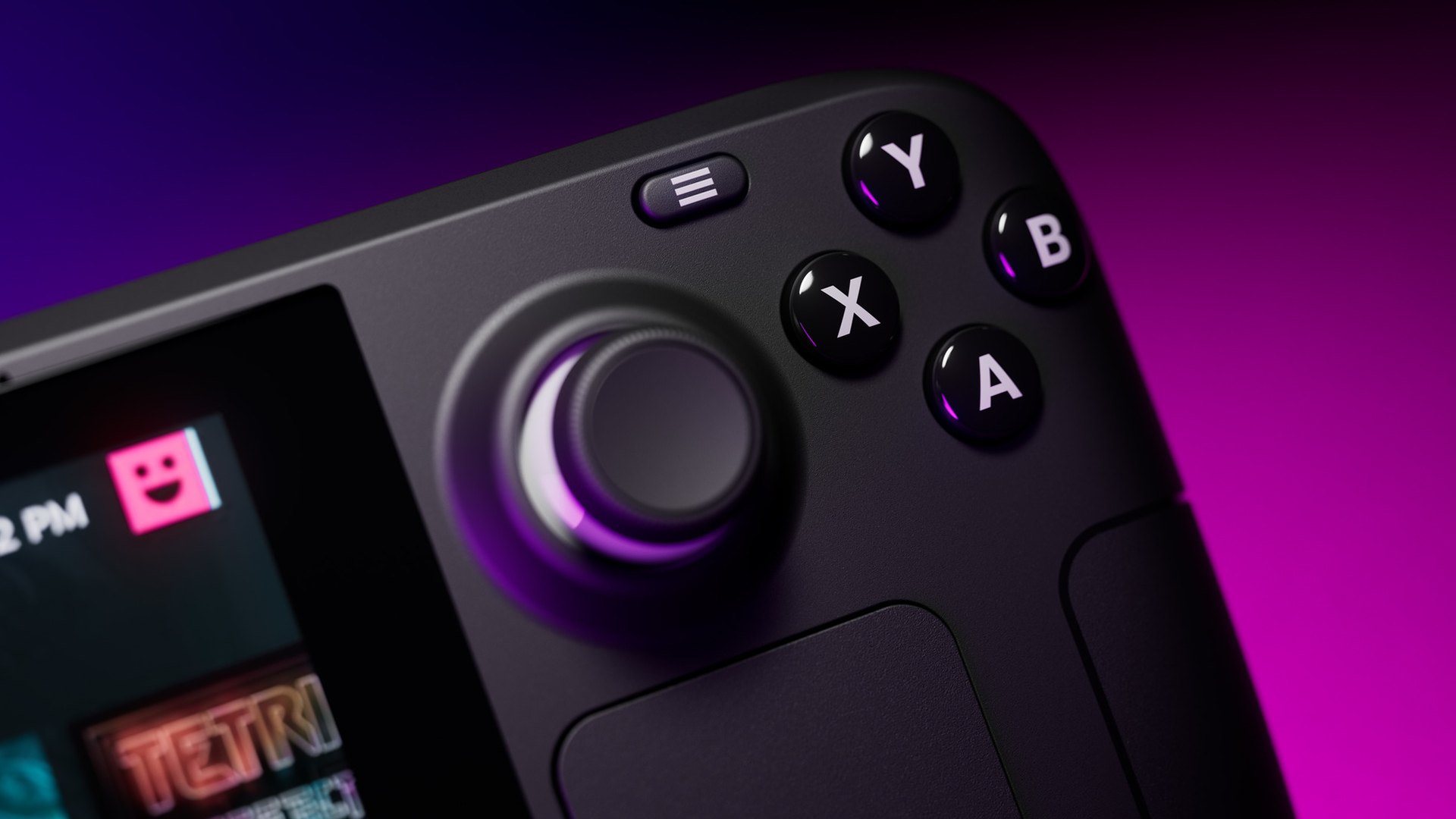
One point is worth settling first. This is a Steam Client update, not a new SteamOS build, and Valve's release notes carry no SteamOS version number.
Valve's Steam Deck news feed lists no SteamOS release at all between September 25, 2026 and the middle of October. The newest SteamOS on the Stable channel is still 3.8.28, the build that fixed AMD GPU performance drops after sleep and resume, with the 3.9 line still in Beta.
The new home screen and screensaver options
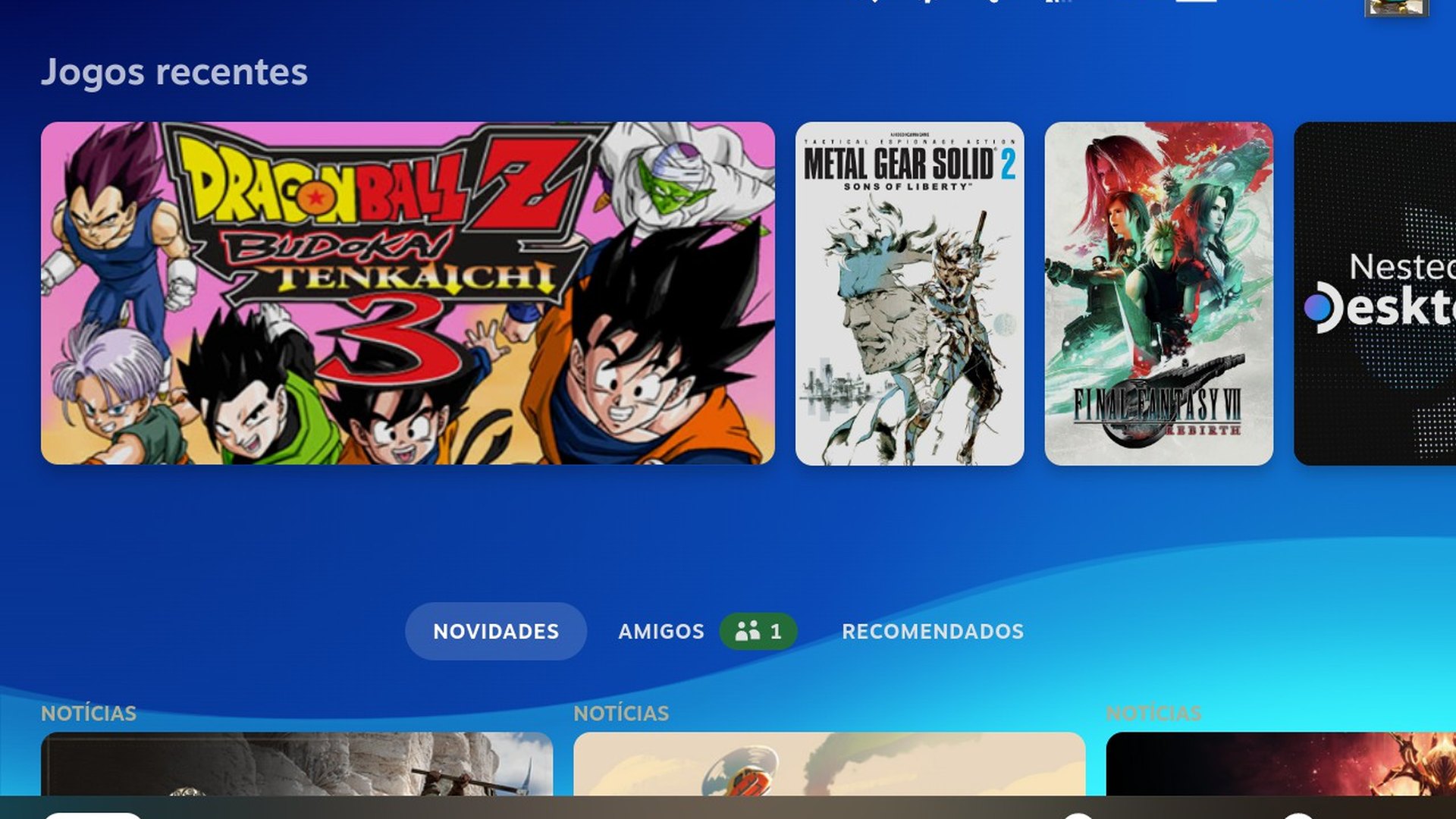
Valve says it has "added a new 'Big Art Mode' option for the home screen", enabled in Settings, then Home. A Personal Calendar also arrives on the Recommended tab.
The screensaver feature is new, and it sits in Settings, then Customization. Valve offers two: a game art slideshow built from artwork for recently played games and recent in-game screenshots, and what the notes call "a retro inspired bouncing logo screensaver".
Custom screensavers work too. Valve says they behave like startup movies and can be dropped into directories at ~/.steam/root/config/uioverrides/screensavers/, and a separate setting disables the screensaver during games.
Why the Stable channel label matters
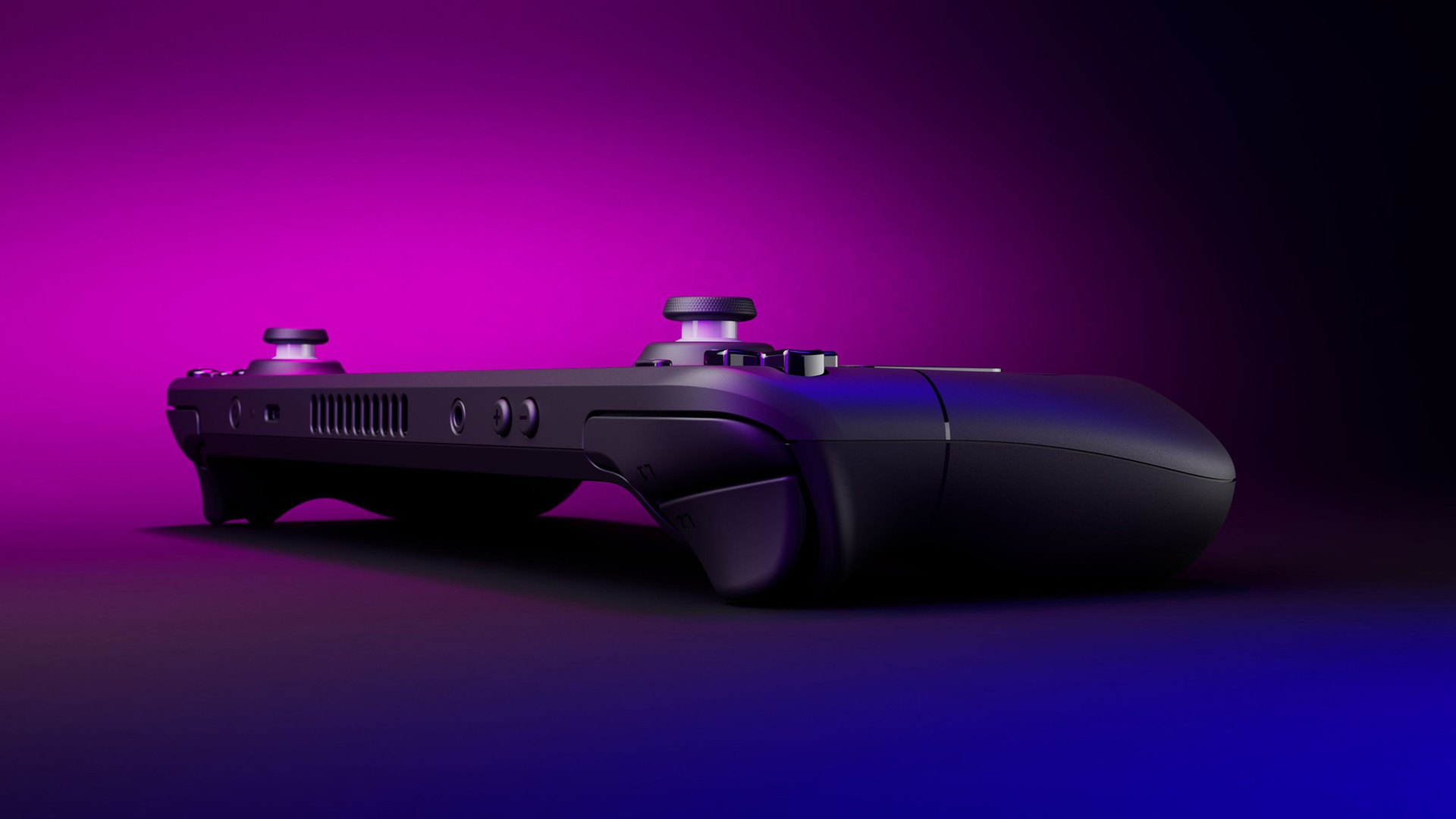
Valve opens the notes by saying it has "shipped an updated Steam Client update to the Stable channel", which is the significant part for most owners. Nothing here has to be opted into.
Several headline items here were already running on the opt-in beta, including the Pyrowave streaming codec and the new Steam Controller firmware. They are now promoted to the build every Steam Deck receives by default.
A separate beta client update went out the same day, and it is tiny by comparison. Valve lists three items in it, covering a DLC hover bug, audio crackling on some systems and low bitrates when streaming to Android devices.
Streaming, Steam Input and controller firmware
Valve describes Pyrowave as "an experimental video codec" for high bandwidth, low latency streaming, and keeps that experimental label in the Stable notes. Alongside it, Remote Play now falls back to H.264 automatically when HEVC is not available, and HDR is disabled when streaming to the OLED Steam Deck.
A PIN is no longer required to download an app to a remote device. Valve notes that a PIN is still required to install from one or stream from one.
Steam Input gets the deepest rework. There is a new configurator view for Steam Input API games that lists actions and their bindings, plus a new multi-binding page for authoring button combinations. Valve also names and fixes two causes behind the long-standing blank configurator screen.
Valve also says it improved "the consistency of trackpad sensitivity between Steam Deck and Steam Controller", and fixed pairing for the 2015 Steam Controller. On the firmware side, the Steam Controller gains a second Bluetooth LE pairing slot, reached by holding L1, B and Steam while powering on, plus configurable rumble intensity.
What Valve does not quantify
Every performance claim in this release is adjectival. Valve writes "greatly improved Vulkan capture performance", "improved download speeds on high latency connections" and "improved CPU performance at runtime and in configuration loading", without a single figure behind them.
That is a real contrast with recent SteamOS work, where Valve did publish a number, claiming up to 12 percent better battery life in a Steam Frame beta. No battery figure, frame rate figure or compatibility count appears anywhere in the October 13 notes.
The only hard numbers are housekeeping. A Deck woken from sleep while the account is in use elsewhere now returns to sleep after 60 seconds without input, and the controller gains a second pairing slot.
Compatibility handling did change in ways worth knowing. Windows binaries added as non-Steam games now run in Proton by default, and the compatibility tool dropdown is always visible. Valve also fixed a case where Windows games showed as "Not Compatible" in the library until a Proton version was picked manually.
What Valve has not said is when the SteamOS 3.9 line leaves Beta, or whether any of these client changes depend on it. The notes give no schedule and no measured results, so the practical effect on frame rates, battery life and streaming quality stays unverified until Valve publishes figures of its own.
Discussion (0)
Be the first to comment.