



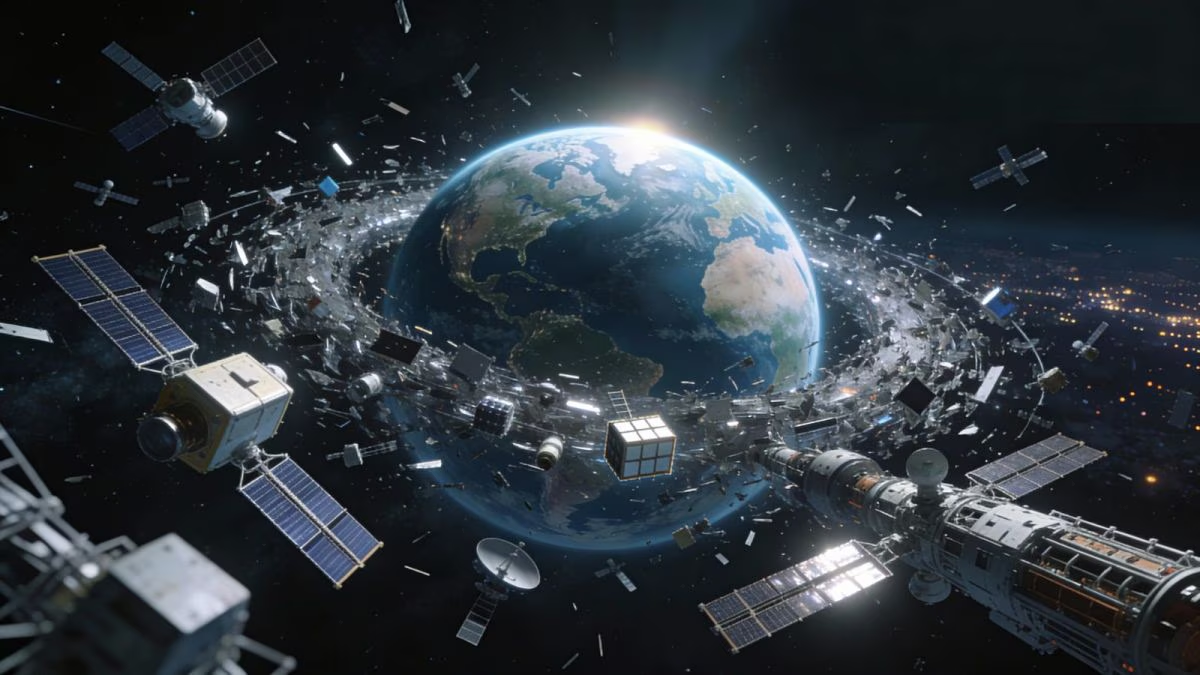
A new study is raising concerns about the fast growth of satellite megaconstellations, warning that rocket launches and satellite reentries may be creating an unregulated climate problem high in Earth’s atmosphere.
The issue is not only the number of launches. It is where the pollution is released. Researchers say rocket emissions such as soot, metal oxides, and ozone affecting compounds can have a stronger and longer lasting impact when released in the upper atmosphere compared with pollution near the ground.
The study says black carbon from kerosene powered rockets can remain high in the atmosphere for years. That makes it more climate sensitive than normal soot emissions from cars, factories, or other ground based sources.
| Issue | Why it matters |
|---|---|
| Rocket soot | Can remain in the upper atmosphere for years |
| Satellite reentries | Can release aluminum oxides and other compounds |
| Ozone chemistry | Reentry material may interact with ozone related processes |
| Megaconstellation growth | More launches and more satellite replacements increase emissions |
| Regulation | Space emissions remain lightly controlled compared with other industries |
The growth of Starlink is the clearest example, but the issue is bigger than one company. Amazon’s satellite internet plans and Chinese systems such as Guowang and Qianfan are also part of the wider move toward large low Earth orbit networks.
These systems rely on many smaller satellites instead of fewer long lived ones. That means more frequent launches and more regular satellite replacements. As older satellites burn up in the atmosphere, they add another stream of particles and chemical byproducts.
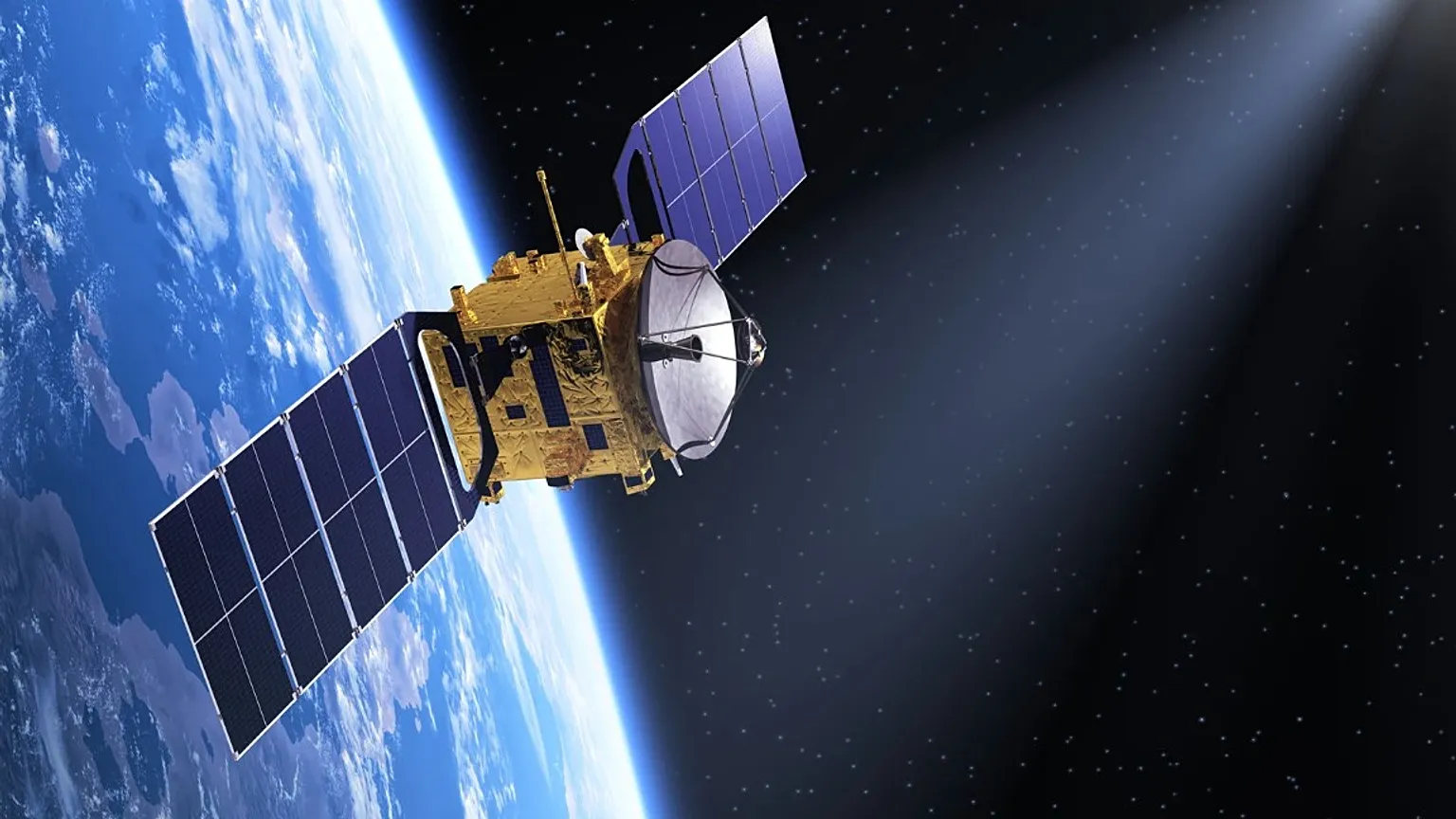
The study estimates that megaconstellations accounted for about 35 percent of the space sector’s climate impact in 2020. That share could rise to 42 percent by 2029. By that point, the space sector could release around 870 tons of soot per year, close to the annual soot output of all passenger cars in the UK.
One unusual part of the study is that some satellite related pollution may have a slight cooling effect by reflecting or absorbing sunlight. But scientists warn that this should not be treated as a benefit. The concern is that this begins to resemble accidental geoengineering, where humans alter the atmosphere without planning, consent, or proper oversight.
The bigger problem is momentum. Once tens of thousands of satellites are in orbit and constant replacement becomes normal, the emissions stream becomes part of everyday space infrastructure. Without rules, it may become difficult to control later.
The study adds pressure for global standards around space emissions. Possible steps could include cleaner rocket fuels, better reentry planning, lower emission launch systems, and international reporting rules for satellite operators.
Satellite internet can bring real benefits, especially for remote regions. But the new warning is clear: the space economy is no longer separate from climate policy. If megaconstellations keep expanding, regulators may need to treat rocket launches and satellite reentries as part of the wider emissions problem.



Discussion (0)
Be the first to comment.