



Silicon Motion is preparing its first consumer PCIe 6.0 SSD controller for launch next year, but the timing may be difficult for PC buyers. The new controller, reportedly codenamed Neptune, is expected to power faster next generation SSDs, while the broader NAND market faces tighter supply because AI data centers are taking a much larger share of memory production.
PCIe 6.0 SSDs should offer a major speed jump over PCIe 5.0 drives by doubling available interface bandwidth. That will matter for future high performance PCs, workstations, and enterprise systems. But faster controllers alone will not make storage cheaper or easier to buy. If NAND supply keeps moving toward servers and AI infrastructure, consumer SSD prices may stay high through 2027 and possibly beyond.
Silicon Motion’s leadership reportedly expects data centers to consume as much as 70 percent to 80 percent of global NAND output by 2027. If that happens, the consumer SSD market could face lower availability and higher prices at the same time that new PCIe 6.0 products begin arriving.
Why PCIe 6.0 SSDs matter
PCIe 6.0 is the next major step for SSD performance. Current high end PCIe 5.0 drives are already fast, but PCIe 6.0 doubles the theoretical bandwidth available through the interface. That gives SSD makers more room for higher sequential speeds, stronger enterprise throughput, and better performance in demanding workloads.
Silicon Motion’s Neptune controller is expected to target consumer SSDs, while enterprise PCIe 6.0 products will likely use more advanced designs with higher channel counts. The company is reportedly evaluating eight channel controller designs for consumer drives, while enterprise solutions may use 16 channel architectures for maximum throughput.
| Area | Expected impact |
|---|---|
| PCIe 6.0 controller | Doubles interface bandwidth over PCIe 5.0 |
| Consumer SSDs | Faster next generation drives expected next year |
| Enterprise SSDs | Higher channel designs for data center workloads |
| NAND supply | More output shifting toward AI servers |
| Consumer pricing | SSD prices may remain elevated |
| Main pressure | AI data centers absorbing memory production |
AI data centers are changing the storage market
The storage market is being reshaped by the AI boom. Training and inference systems need huge amounts of fast storage, memory, and data movement. As data centers expand, more NAND production is being reserved for enterprise SSDs and server infrastructure.
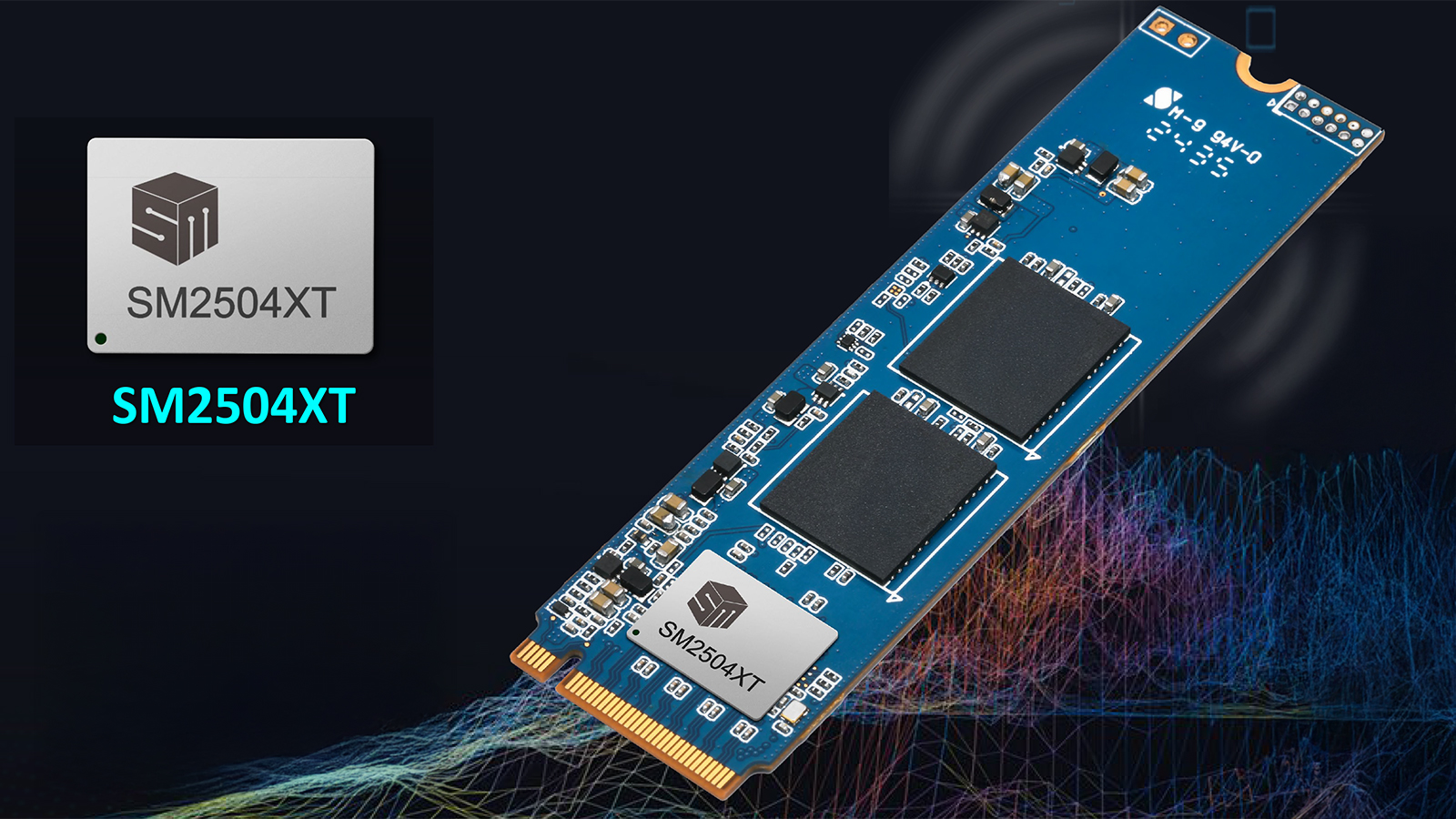
That creates a problem for normal PC buyers. When more NAND goes to data centers, less is available for retail SSDs, laptops, desktops, consoles, and other consumer electronics. Lower availability usually means higher prices.
This is similar to what has happened in DRAM, where demand from AI servers has pushed prices higher and made upgrades more expensive. NAND is now facing its own pressure as enterprise buyers compete for supply.
Silicon Motion could still benefit from the shortage
The market may be harder for consumers, but Silicon Motion is still in a strong position. As more SSD makers and OEMs look for controller solutions, demand for third party SSD controllers has increased.
The company has seen growth across enterprise SSD controllers, PCIe 5.0 client drives, and UFS storage used in smartphones. That gives Silicon Motion multiple areas of demand even if retail SSD sales slow because of pricing.
The arrival of PCIe 6.0 could strengthen that position further. SSD makers will need new controller technology to build next generation drives, and Silicon Motion wants to be ready as the market shifts.
Faster SSDs may arrive with higher prices
The main issue for buyers is timing. PCIe 6.0 SSDs could arrive just as NAND becomes more expensive and harder to source. That means early drives may carry a large premium.
For gamers and regular PC builders, PCIe 5.0 and even good PCIe 4.0 SSDs are already fast enough for most tasks. A PCIe 6.0 drive will likely be impressive on paper, but its real value will depend on price, heat, capacity, and whether software can take advantage of the speed.
Enterprise buyers will have a clearer reason to pay more. AI workloads, large databases, cloud storage, and high speed data pipelines can use the added bandwidth more effectively than most consumer systems.
PC builders may need to plan storage upgrades carefully
If NAND supply tightens further in 2027, storage upgrades could become more expensive across the board. That may affect new PC builds, gaming laptops, handhelds, consoles, and even prebuilt desktops.
Anyone planning a build may need to watch prices more closely than usual. Buying more storage earlier could make sense if prices keep rising, but paying a large premium for early PCIe 6.0 drives may not be necessary for most people.
Silicon Motion’s PCIe 6.0 controller shows that SSD technology is still moving quickly. The problem is that the market around it is becoming less friendly to consumers. AI data centers are becoming the priority customer for NAND, and that could leave PC buyers paying more for storage even as faster drives arrive.



Discussion (0)
Be the first to comment.