



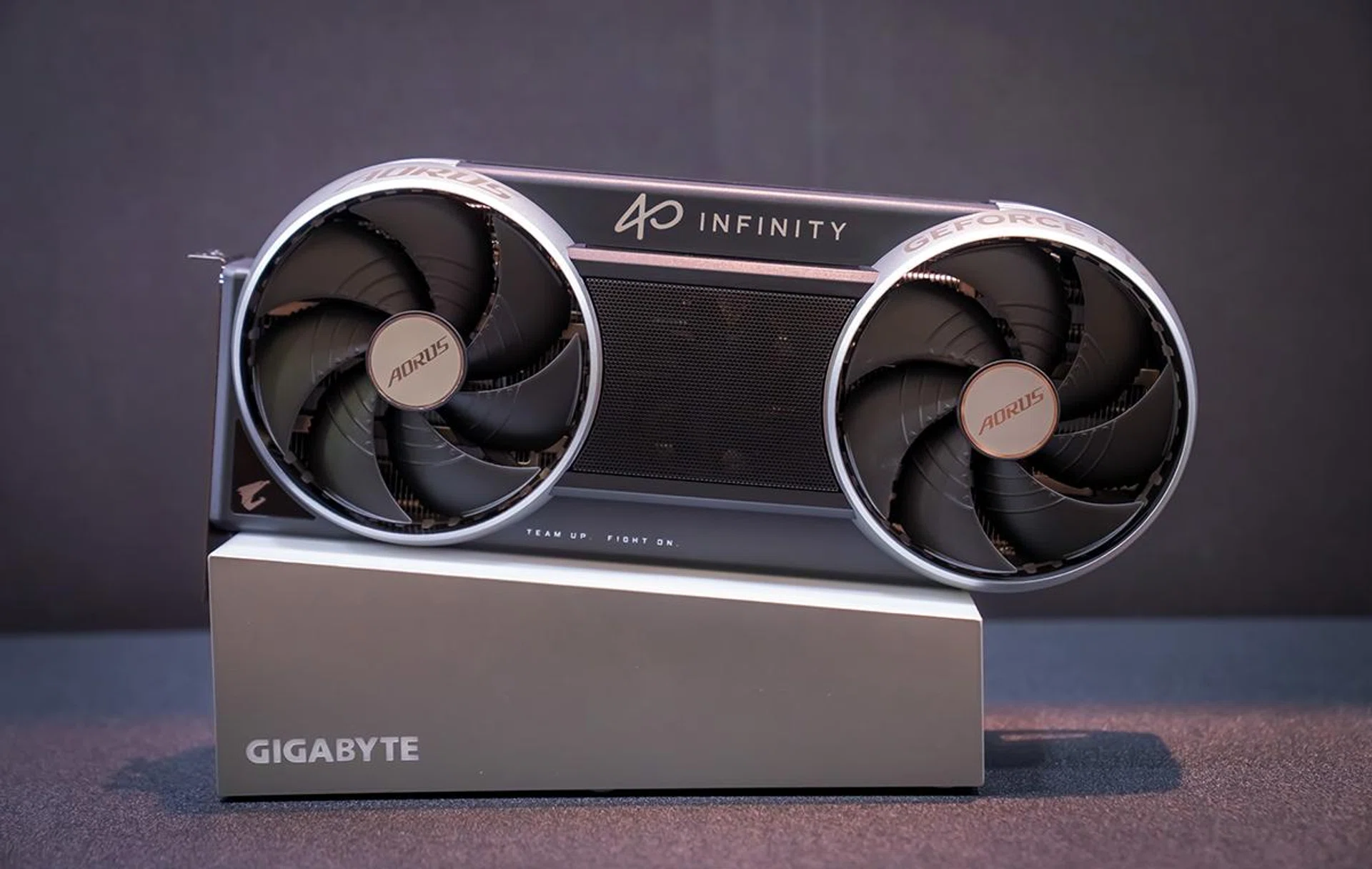
GIGABYTE’s GeForce RTX 5090 AORUS Infinity has appeared at Micro Center with a $5,299.99 price tag, making it one of the most expensive RTX 5090 models on the market. The card is GIGABYTE’s 40th anniversary design and sits far above NVIDIA’s Founders Edition pricing, landing at roughly 2.6 times the reference card’s launch price.
The listing shows how extreme premium GPU pricing has become in 2026. RTX 5090 cards were already expensive at launch, and prices only started to normalize before memory shortages pushed the market higher again. Now, many RTX 5090 models are selling for $4,000 to $4,500, while special edition cards are reaching even higher levels.
The AORUS Infinity is not a basic RTX 5090. It is a premium custom model with a distinctive design, higher clocks, and a large cooler. But at more than $5,000, it is clearly aimed at collectors, extreme PC builders, and buyers who want the most expensive version of NVIDIA’s flagship rather than the best value.
Why the RTX 5090 AORUS Infinity costs so much
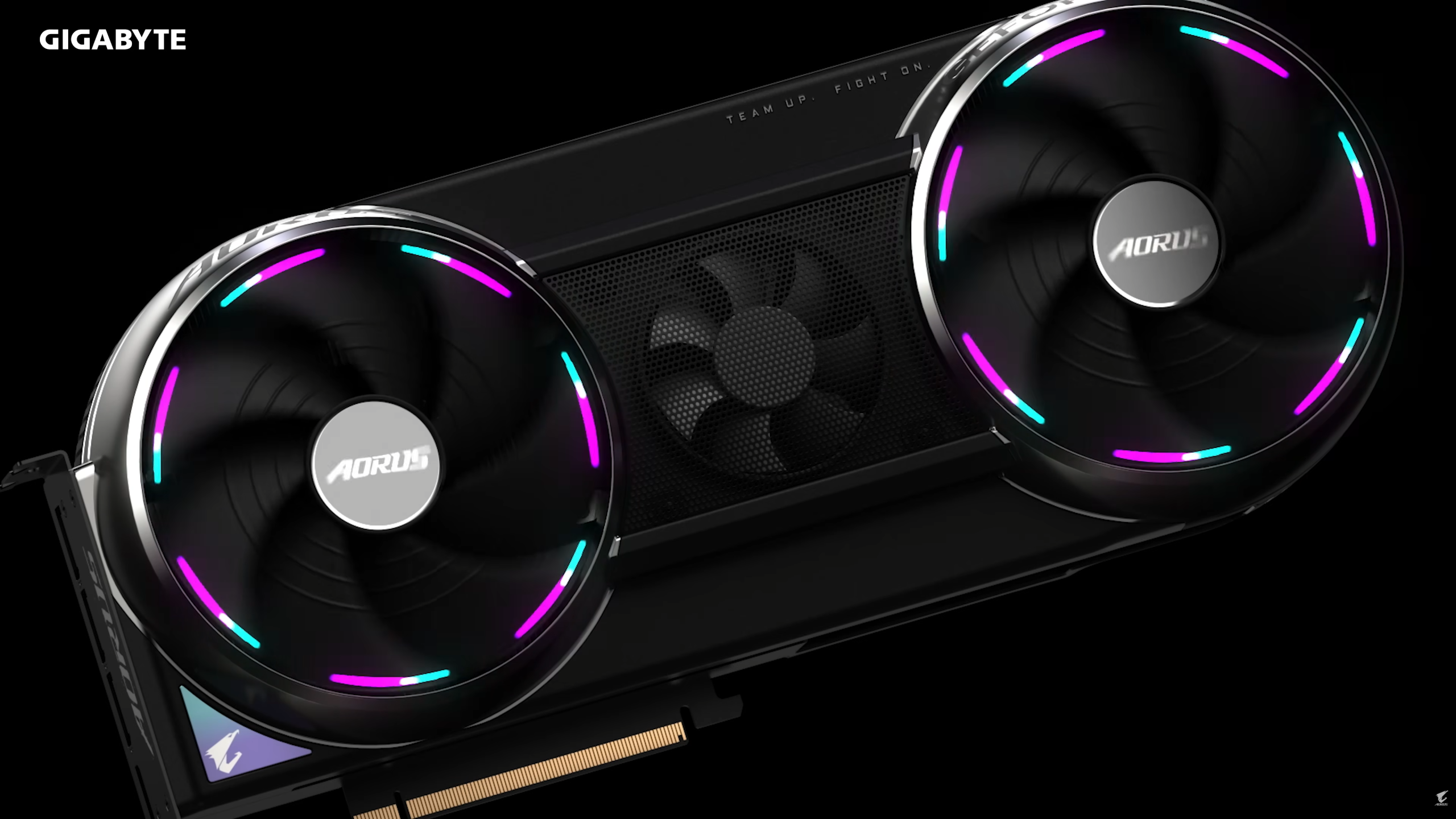
The RTX 5090 AORUS Infinity is part of GIGABYTE’s 40th anniversary lineup. The card uses a custom design with a flow through cooler, triple fan layout, hidden overdrive fan, composite metal grease for the GPU, and RGB styling.
It also comes with a listed boost clock of 2,730MHz, which is more than 300MHz higher than the reference specification. That gives it a stronger factory overclock than the Founders Edition, although real performance gains will depend on cooling, power limits, and workload.
| Detail | GIGABYTE RTX 5090 AORUS Infinity |
|---|---|
| GPU | NVIDIA GeForce RTX 5090 |
| Memory | 32GB GDDR7 |
| Interface | PCIe 5.0 |
| Boost clock | 2,730MHz |
| Design | 40th anniversary AORUS Infinity edition |
| Listed price | $5,299.99 |
| Retailer listing | Micro Center |
The card is being positioned as a premium product, but the price is still unusually high even for a flagship GPU.
RTX 5090 prices are being pushed up by memory costs
The biggest factor behind current RTX 5090 pricing is the wider memory shortage. GDDR7 and other memory components have become more expensive as demand rises across gaming GPUs, AI hardware, and data center products.
The RTX 5090 is especially vulnerable because it uses a large 32GB GDDR7 memory configuration. When memory prices rise, cards with more VRAM take a bigger hit.
That is why the RTX 5090 has moved far beyond its original pricing in many listings. Even non anniversary models can be difficult to find below $4,000, while high end custom versions are now entering workstation class pricing territory.
Premium RTX 5090 models are becoming a niche of their own
Board partners appear to have found a profitable niche in ultra premium RTX 5090 cards. Buyers who are already spending thousands of dollars on a flagship GPU may be more willing to pay extra for limited editions, higher clocks, larger coolers, and collector designs.
That does not make the pricing easy to defend for most PC gamers. At $5,299, this card costs more than many complete high end gaming PCs. It also pushes far beyond the point where extra cooling or a factory overclock can reasonably explain the premium.
The AORUS Infinity may appeal to a small audience, but it is not a mainstream gaming recommendation.
The value gap is hard to ignore
For ordinary gamers, the RTX 5090 AORUS Infinity highlights the growing gap between flagship hardware and practical value. The RTX 5090 is NVIDIA’s fastest gaming card, but paying more than double the Founders Edition price changes the equation.
A buyer at this level is not only paying for performance. They are paying for scarcity, branding, design, and the current market environment. The performance difference between a premium RTX 5090 and a more standard RTX 5090 will likely be much smaller than the price gap.
That makes it important to separate the card’s technical quality from its value. It may be a powerful and well built GPU, but its price puts it outside the range of what most buyers should consider sensible.
RTX 50 pricing may stay painful for a while
The AORUS Infinity listing also suggests that other premium RTX 50 series cards could arrive with high prices. The RTX 5080 and RTX 5070 series may not reach the same extreme multiplier as the RTX 5090, but memory pressure and custom designs could still keep prices elevated.
For now, the RTX 5090 market is clearly strained. Supply, memory costs, demand from high end builders, and premium board partner designs are all pushing prices upward.
The GIGABYTE RTX 5090 AORUS Infinity is an impressive card on paper, but the $5,299 listing is the real headline. It shows that the top end of the GPU market has moved into a level where performance is only part of the purchase. For most buyers, waiting for lower prices or choosing a less expensive model will make far more sense.



Discussion (0)
Be the first to comment.