



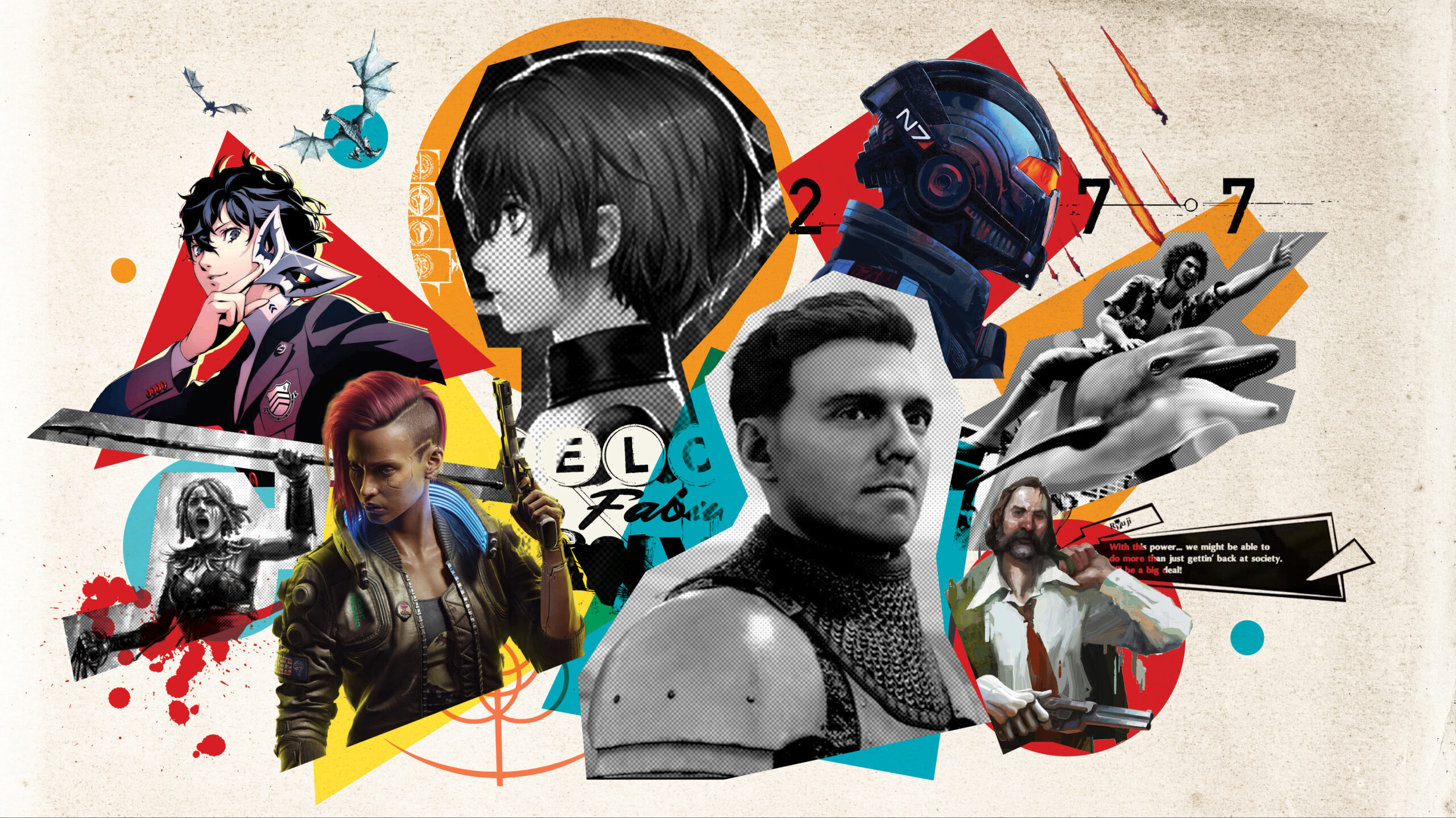
Many role playing games are built around the idea that you are unusually capable. Your character learns quickly, wins difficult fights, solves problems and eventually becomes the person who saves everyone.
That kind of power fantasy can be satisfying, but RPGs can become more interesting when they allow you to fail, make bad decisions and live with the consequences instead of quietly steering every situation toward success.
Games influenced by tabletop RPGs are increasingly showing how entertaining that approach can be. Rather than treating every mistake as something that should force a reload, they can turn failure into another branch of the story.
Failure Can Produce Better Stories Than Constant Success
Completing a quest exactly as intended often provides a predictable sequence.
You receive an objective, accomplish it and collect your reward.
Things become more memorable when the process goes wrong.
A failed dialogue check, badly chosen decision or unexpected character reaction can create situations that would never appear during a perfectly optimized playthrough. The result may be worse for your character, but better as a story.
Tabletop RPGs have embraced this idea for years. Games such as Mothership and Call of Cthulhu often allow bad rolls and poor choices to push the narrative in unexpected directions rather than simply ending it.
| RPG design approach | Typical result |
|---|---|
| Constant player success | Reliable progression and power fantasy |
| Failure followed by reload | Mistakes become temporary obstacles |
| Failure with consequences | Story continues in a different direction |
| Dice driven outcomes | Success and failure remain unpredictable |
| Broad dialogue options | Players can deliberately choose unusual paths |
The important distinction is whether the game treats failure as additional content or merely punishment.
Baldur's Gate and Disco Elysium Let Characters Make Mistakes
Older RPGs already experimented with consequences for bad decisions.
In Baldur's Gate 2, companions could react strongly to the player's behavior, including reaching the point where relationships became hostile. More recent CRPGs have expanded that idea by borrowing more directly from tabletop systems.
Baldur's Gate 3 remains a game where your character can become extremely powerful, but dice rolls create the constant possibility that a plan will fail.
Certain character choices can make the experience even less predictable. Playing as the Dark Urge, for example, introduces situations where violent actions can occur as part of the character's story.
Disco Elysium pushes the idea considerably further.
The game allows you to create an intelligent investigator, an incompetent disaster or something between the two. Even when a skill check succeeds, players can deliberately choose strange dialogue and behavior simply because the resulting scene may be more entertaining.
Zero Parades and Esoteric Ebb follow a similar philosophy, filling interactions with opportunities for the player character to embarrass themselves or become distracted by objectives that have little connection to the most obvious main quest.
Success Matters More When Failure Is Possible
Games can weaken their own choices when they provide the appearance of failure while quietly ensuring players will eventually achieve the intended outcome.
If almost every road leads to victory, risky decisions stop feeling particularly risky.
By comparison, success can become more rewarding when failure genuinely has consequences.

A difficult roll, unconventional dialogue choice or strange solution becomes more exciting when you know there is a real possibility that it will not work.
The best systems also avoid making every failed attempt immediately fatal.
If failure simply kills the player or forces a restart, the game is effectively communicating that there was one correct solution after all.
A stronger approach allows the story to continue.
Kingdom Come: Deliverance 2 Shows How Failure Can Change a Quest
One example comes from Kingdom Come: Deliverance 2.
A quest involving the organization of a tournament required some theft. The player was caught, escaped with the stolen goods, but failed to hide responsibility for the crime.
Instead of ending the quest, the game changed the circumstances.
The tournament still happened, but the player's team entered with a significant disadvantage because everyone knew what had happened. Winning afterward became more meaningful precisely because the earlier mistake had made the situation harder.
That is a very different philosophy from simply displaying a mission failed screen.
The player's mistake becomes part of the character's history and influences what happens next.
RPG Systems Work Best When They Behave Like Improv
Good role playing often resembles improvisational storytelling.
A player tries something unusual, and instead of rejecting the idea because it does not fit the expected solution, the game responds to it.
That creates the digital equivalent of a tabletop game master saying yes to a strange idea and then determining what consequences should follow.
The player and the game's systems effectively build the story together.
That flexibility can make an RPG feel more personal than a story where every hero completes the same objectives in roughly the same way.
Power fantasies will always have a place in RPGs, but competence does not need to be guaranteed.
Sometimes the character who gets fooled, fails an important check, ruins a relationship or turns a simple quest into a disaster can produce the playthrough you remember longest.
The strongest RPGs understand that failure does not have to mean the story stops. Sometimes it means the more interesting version of the story has just started.


Discussion (0)
Be the first to comment.