



Two years ago, the OnePlus company launched its first smartphone called OnePlus One, promoted as the "Original flagship killer". The One model was designed to compete in terms of performance, quality and PRICE, with the flagship devices released by the well-known companies in the Android market. In the summer of 2015, the manufacturer launched the successor to the OnePlus One, the new "flagship killer", OnePlus Two. Late in the same year, the C hinese company released a new smartphone called OnePlus X. This smartphone was designed as a budget alternative for those who don't want to pay 350 dollars for the OnePlus Two. Over the last month we have had the chance to test and play with the OnePlus X, and now it's time for us to share with you everything we found about it, in this review:
Hardware specifications and packaging
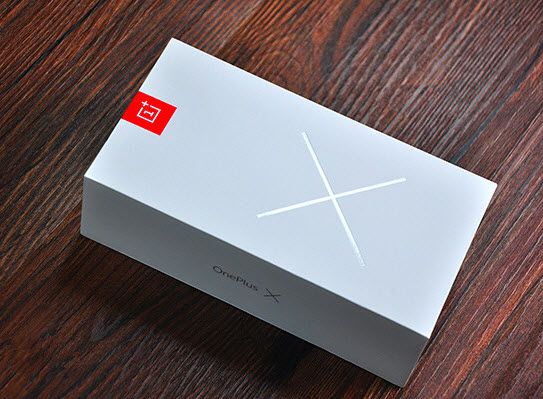
The OnePlus X comes in a white and red premium-looking box. On the top side you'll see the OnePlus logo and a big X, while on the bottom you'll find two IMEI codes (the smartphone is dual sim) and some information about the package and the device.
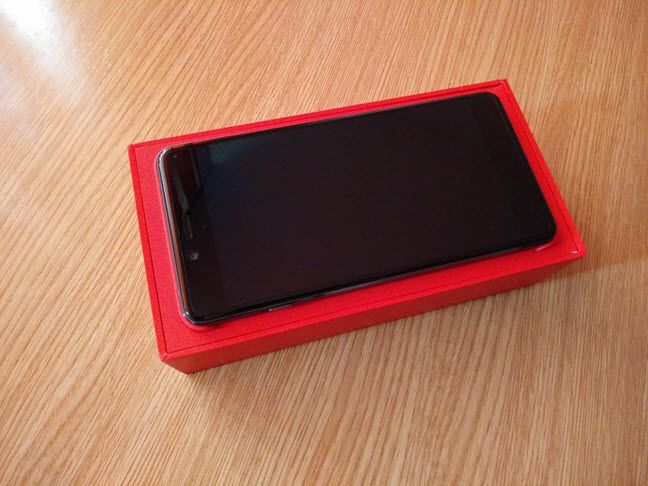
When you open the package, you'll see the smartphone caught in a plastic stand.
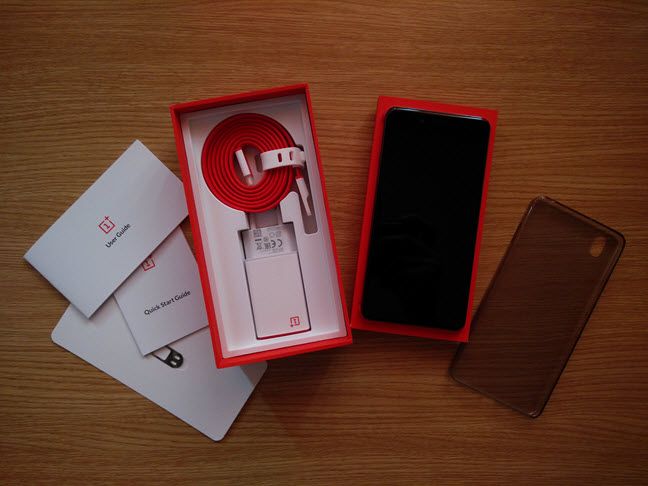
Underneath the OnePlus X, you'll find the power charger, the USB cable, the protective silicone case, the SIM tray ejector, the quick start guide and the user guide. You won't find any headphones though and you will have to purchase them separately.
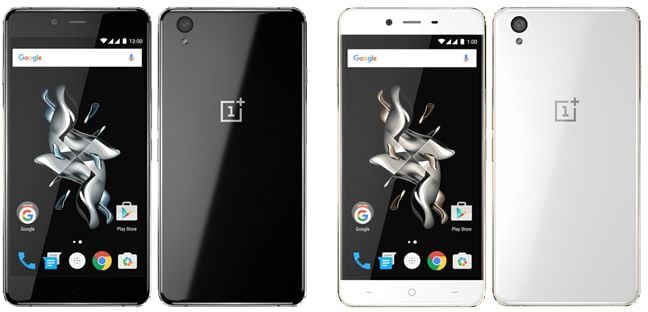
The OnePlus X comes in three variants: Onyx, Champagne and Ceramic. The Onyx and Ceramic versions are black and the Champagne variant is white. What is very important to mention is that the Ceramic version is limited, and it is 100 $/€ more expensive than the other two variants.
OnePlus X is powered by a quad-core Qualcomm Snapdragon 801 processor at 2.3 GHz, 3GB of memory RAM and an Adreno 330 graphics processor. In terms of storage, the smartphone comes with 16GB of internal storage space that can be extended with a microSD card up to 128GB. The smartphone has dual-sim technology, but if you choose to add a microSD card you will lose the second SIM slot.
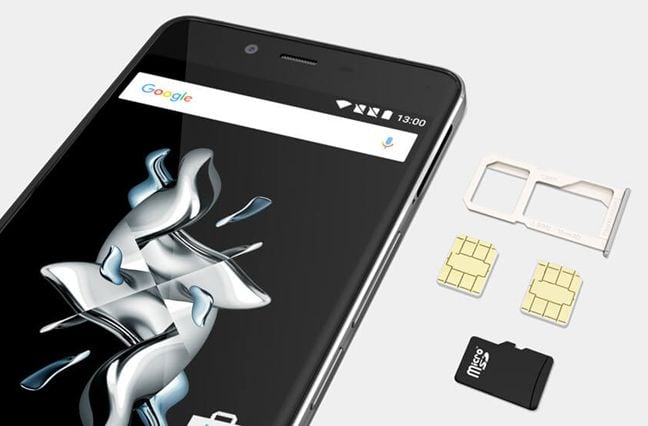
The screen uses a 5 inches AMOLED capacitive touchscreen with 16M colors panel with a resolution of 1920x1080 pixels and a pixel density of approximately 441 dots per inch. The display has wide viewing angles, high contrast, very good color reproduction and it is protected by Corning Gorilla Glass 3. By default, the display is covered by a quality anti scratch screen protector slot.
In terms of size, the OnePlus X measures 140 mm (5.51 inches) in height, 69 mm (2.72 inches) in length and only 6.9 mm (0.27 inches) in width. It weighs only 138 grams (4.86 ounces) for Onyx and Champagne versions and 160 grams (5.64 ounces) for Ceramic. As you can see it is an average-sized smartphone that is easy to carry around but if you have small hands it is a little hard to handle with only one hand.
The OnePlus X has a 13 megapixels rear camera, with an F2.2 aperture, autofocus, LED flash, HDR and panorama capabilities. The front camera has 8 megapixels with an F2.4 aperture that comes very handy in a low-light situation. Both rear and front cameras are capable of recording video at 1080p at 30 frames per second and 720p at 120 frames per second.
In terms of connectivity, the device comes with Bluetooth 4.0, USB 2.0, all standards of the 2.4 GHz Wi-Fi technology, Radio FM and GPS. OnePlus X has a 2525 mAh battery that should keep the smartphone alive more than 12 hours in conditions of normal use. It works with two nano-SIMs that can be connected at the same time through 4G but you cannot use both SIMs at the same time for the Internet connection.
If you want to get a more detailed look at all its specifications, go to this page: OnePlus X Specifications.
The OnePlus X has the specifications of a high-end smartphone from the end of the year 2014. Today, we can say that the OnePlus X is somewhere between the midrange and high-end branches of Android smartphones.
Design and build quality
When you touch the OnePlus X for the first time, it feels like premium quality. The smartphone has a unibody design and it is built of glass and aluminum (the Onyx and Champagne editions) or ceramic and aluminum, if we talk about the Ceramic version. In the picture below, you can see the Onyx version that we tested.
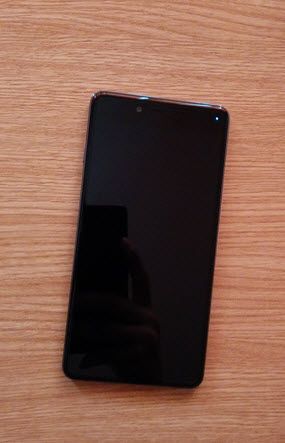
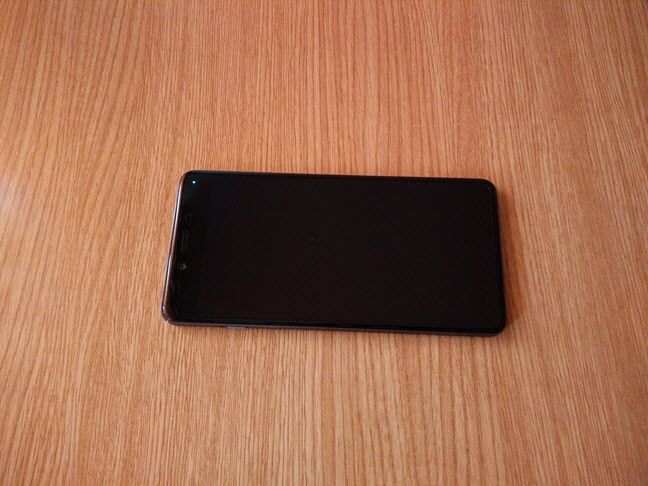
On the front side, above the display, you will find the earpiece, the front camera, the ambient light sensor and the proximity sensor. In right-upper corner you will find the multi colored LED notification light. Below the display, if you look carefully, you will see the capacitive Android buttons.
On the back are the rear camera, the LED flash and the OnePlus logo.
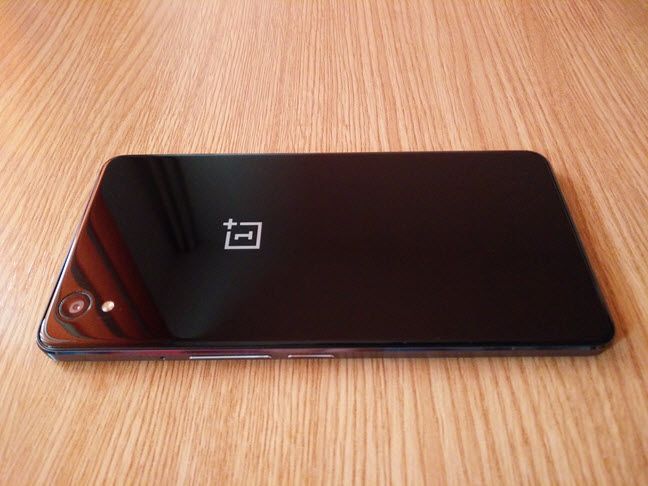
On the right side you will find the Power button and the volume rockers, on the upper rim there are the 3.5mm audio jack and the second microphone used by the noise cancellation technology. On the bottom you will find the speaker, the main microphone and the USB connector.
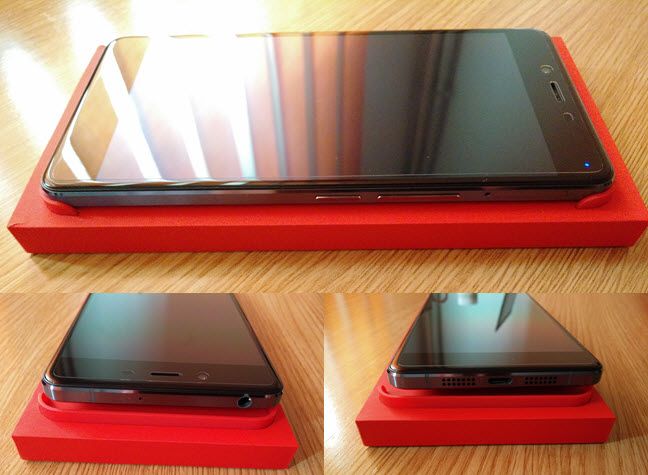
On the left side, you will see something that is very rarely found on a smartphone: the Alert Slider. We will say more about this feature in the next section of this article.
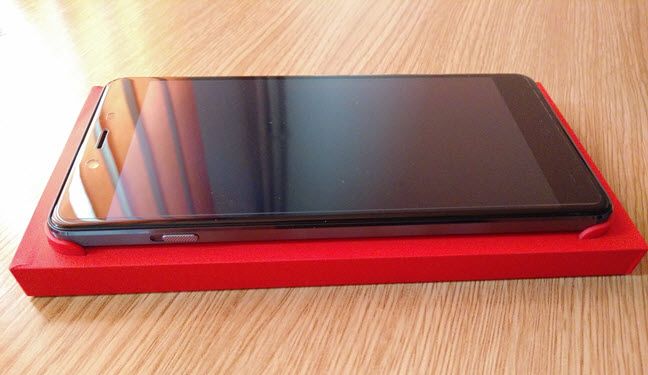
Even if you pay a mid-range price for the OnePlus X, you get a smartphone with a high level design, built from the highest quality materials.
The smartphone experience on the OnePlus X
The phone experience with OnePlus X is exactly as we expected from this hardware configuration. We used this smartphone with two 4G SIM cards. During phone calls, the sound is loud and clear, and the active noise cancelling technology works works very well even if you are in a noisy environment. The second SIM card slot doubles as a microSD tray, which means that you will have to choose between expanding your storage or using a second mobile service provider.
Even though the package doesn't include any headphones, we tested the audio quality with some aftermarket ones. When listening to music or watching videos, the audio quality is quite good.
As we said earlier, OnePlus X provides a Full HD display with AMOLED technology. It has vivid colors, high contrast and thanks to the AMOLED technology the black color is very deep. The touchscreen works very well even though you choose to keep the default screen protector.
We already mentioned that OnePlus X comes with something that you will find on very few smartphones:the Alert Slider. This is a switch that allows you to put the device in one of three notification available modes: All notifications , Priority interruptions only and No interruptions. If you put the smartphone in the All notifications mode, you will receive notifications from all applications installed on your smartphone and, of course, if you enable No interruptions , you won't receive any notification, but the alarm will still ring. If you choose the Priority interruptions only mode, you will be notified only by specific applications.
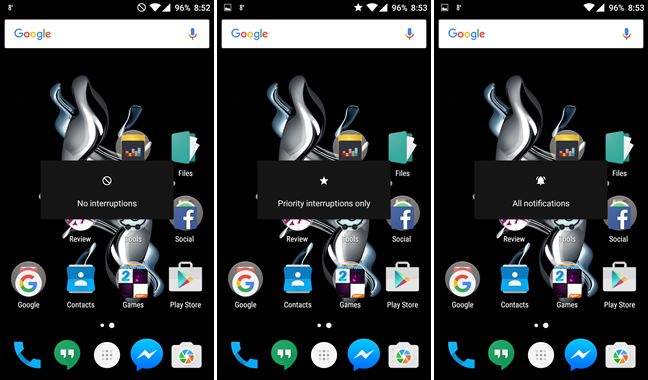
The only downside is that you can't select which apps can send notifications and which can' t , but you can choose to be (or not to be) alerted by events and reminders, calls or messages.
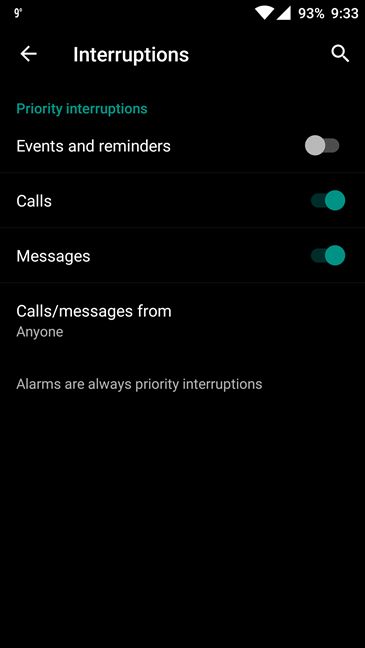
All in all, the Alert Slider turns out to be very useful when you are in meetings and you need to put the smartphone on silent very quickly.
OnePlus X comes with a 2000mAh adapter that fills the battery by approximately one percent per minute, which means that the battery will be fully charged in about one hour and a half. We also noticed that while charging the smartphone is overheating a little.
In a one month of daily use we had with it, the OnePlus X worked well, without any major problems. It offered a great smartphone experience and it had no problems running all the applications and games we have installed. The signal reception is good in all types of networks (2G, 3G and 4G), and during phone calls the sound is loud and clear.
Read the next page of this review to learn more about the camera experience, the software installed on the OnePlus X and find the results it had in our benchmarks.
The camera experience on the OnePlus X
The rear camera on the OnePlus X uses a 13 megapixels image sensor that can take photos at maximum resolution of 4160 x 3120 pixels with a standard 4:3 aspect ratio. If you want to take pictures in the wide standard of 16:9, you need to reduce the resolution to 7.9 megapixels. You can also take square photos in format 1:1 using a 9.3 megapixels resolution. It benefits from technologies such as au tofocus and phase detection autofocus, LED flash, HDR, Panorama, Time-lapse and Slow motion.
The front 8 megapixels camera of this smartphone was designed for people who love to take selfies. It also has a Beauty mode. Below, you'll find a photo gallery that contains several pictures made with both the front and rear cameras, so that you better understand what you'll get from this smartphone in terms of photo quality.
When it comes to video recordings, both front and rear camera are capable to capture 1080p videos at 30fps or 720p videos at 120fps. Below, you can watch a video sample in which the target is moving.
Next, we recorded a demo in which we captured more static surroundings.
OnePlus X has two very good cameras. The rear camera is capable of shooting great photos and videos in both natural light and in low light environments. The 8 megapixels front camera captures very good selfies and it works best in video conferences.
Android 5.1.1 Lollipop, OxygenOS 2.2.0 & Bundled apps
OnePlus X comes with OxygenOS, a fork based on Android 5.1.1 Lollipop. In fact you will get the same experience like an Android 5.1.1 smartphone, but with some improvements. The user interface is almost the same as the one you find on a stock Android Lollipop device. Here are the most important improvements that you will get:
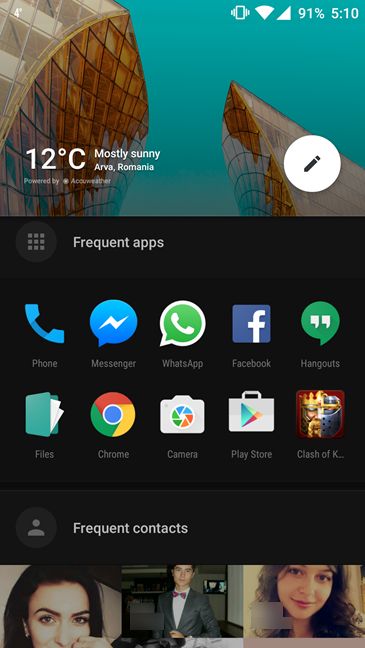
- Shelf - One of the most important features that comes with OxygenOS is Shelf. With a quick swipe from left to right in the home screen you will get an overview of your frequent apps and contacts. This panel can also be customized by adding your favorite widgets.
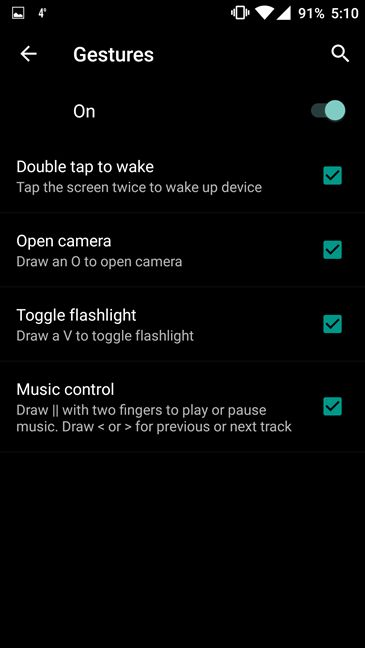
- Gestures - This feature allows you to open and control some apps and features without the need to open up and unlock the smartphone. For example: draw an "O" to open the Camera app and a "V" to open the flashlight or tap the screen twice to wake up the device.
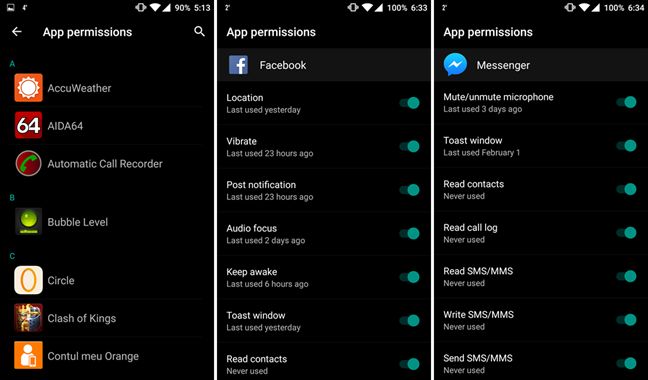
- App permissions - Like Android Marshmallow, OxygenOS has an option that allows you to refine the personal information that your apps have access to.
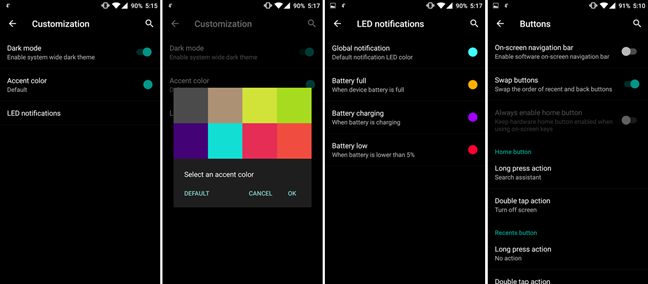
- Customization - We all know that the Android operating system can be customized, and OxygenOS is no exception. In the Customization window you can switch the themes (from black to white and vice versa), you can select the accent color and the colors for the notification LED. In the Buttons windows, you can enable the On-screen navigation bar or you can swap the Recents and Back buttons according to your needs. In the same window, you can set an operation for the double tap and long press actions for each navigation button.
In terms of bundled apps, besides the applications that we use every day (like Phone, Messenger or Contacts) and the Google apps, that you are likely to find on any other Android device you will find only a three other apps :
- SwiftKey Keyboard - a good alternative to the default Android keyboard
- Files - allows you to manage the files that are found on your device and on your cloud storage services
- OnePlus Radio - lets you listen to the FM radio stations from your area, as long as you have connected the headphones
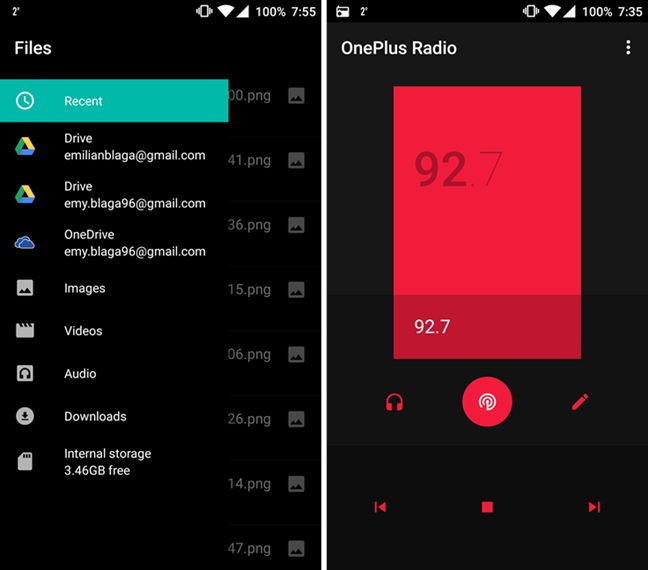
The OxygenOS provides a clean Android Lollipop experience with some improvements. The operating system works fast and smooth, and the fact that it has just a few bundled apps makes us to love it, because all the applications we might ever use are in the Play Store.
Performance in benchmarks
The OnePlus X has almost the same hardware configuration as most high-end smartphones in 2014. The Qualcomm Snapdragon 801 processor clocked at 2.3 GHz, the Adreno 330 graphics chipset and the 3GB of RAM are more than enough to run almost everything from Play Store.
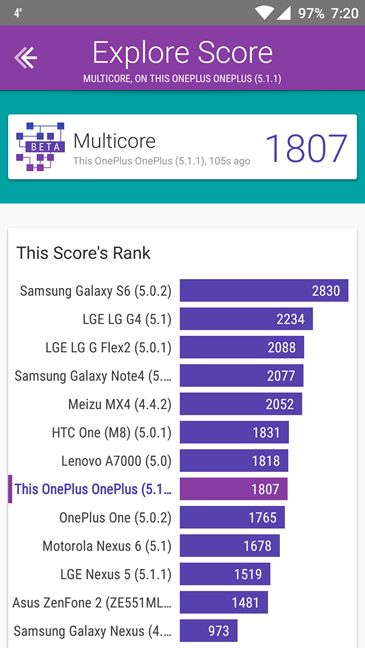
Like all the other Android devices we review here at Digital Citizen, we started our testing session for the OnePlus X with Vellamo benchmark app from Qualcomm. First, we ran a test that measures the processor performance when running multiple tasks at the same time called Vellamo Multicore. In this test, we got a good score of 1807 points. As you can see, in the score rank board OnePlus X is above many highly rated smartphones like Motorola Nexus 6, LG Nexus 5, or its own "brother", OnePlus One.
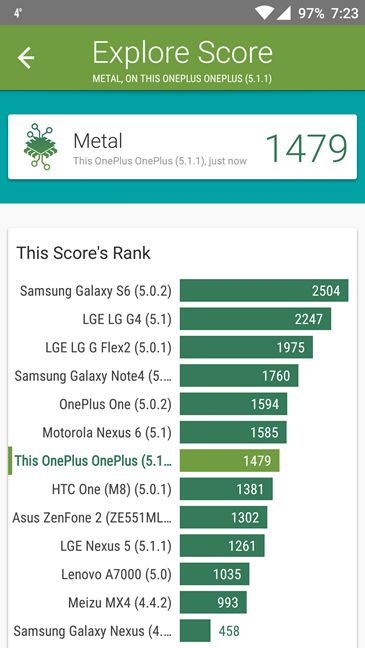
Next, we used the Vellamo Metal benchmark to test how well the device will handle apps that don't know how to use more than one CPU core, because many applications from Play Store are in this situation. OnePlus X got 1479 points. This test shows that OnePlus X offers a better performance than HTC One (M8) and ASUS ZenFone 2.
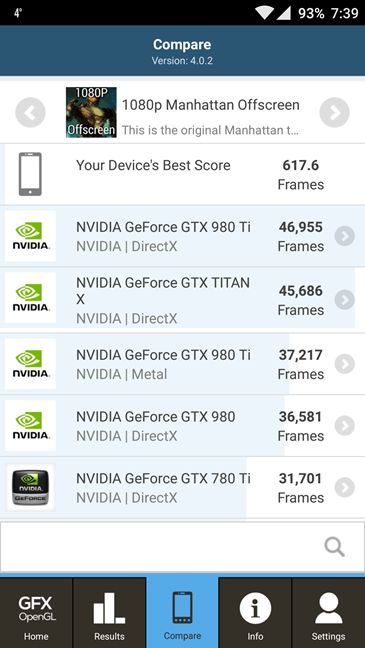
Then we put the gaming capabilities of the smartphone to the test. In order to measure the performance offered by the OnePlus X in games, we used the Manhattan and T-rex tests provided by GFXBench GL Benchmark app. As always, we will take into consideration only the 1080p Offscreen versions.
In the Manhattan test, the OnePlus X managed to render 617 frames. Compared to other Android devices reviewed here at Digital Citizen, OnePlus X obtained lower score than Motorola Nexus 6, Samsung Galaxy S6 egde or ASUS ZenFone 2.
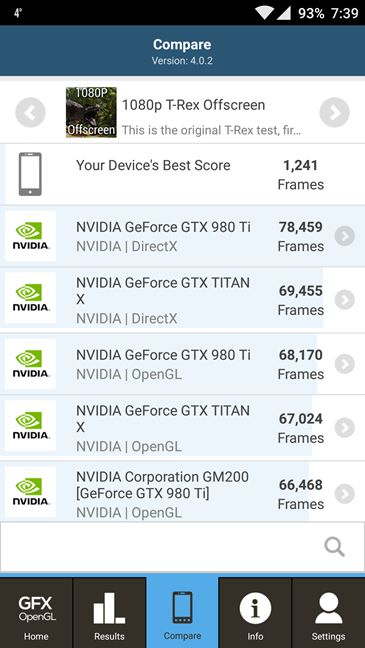
The final gaming benchmark was the 1080p T-Rex Offscreen test. The OnePlus X managed to render 1241 frames, which is similar to that we obtained on ASUS ZenFone 2.
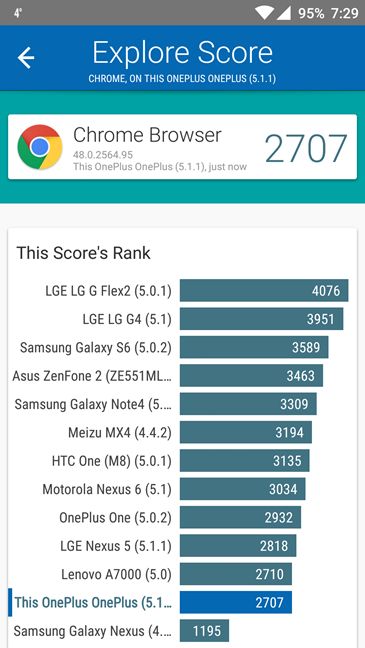
Then, we used again the Vellamo app in order to evaluate the web browsing experience on OnePlus X. This benchmark measures how well the device fares when rendering websites coded with HTML5, CSS3 and all kinds of scripts. For the Google Chrome browser OnePlus X got 2707 points, which is a good score, but below the ones registered by LG Nexus 5, OnePlus One or Lenovo A7000.
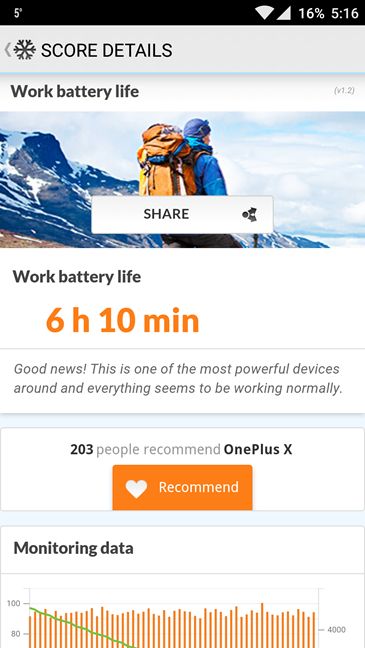
In the end, we ran a test that measures the battery life offered by the OnePlus X. The device has a lithium-polymer 2525 mAh battery, and due to the fact that the OnePlus X has a unibody design, it is also non-removable. For this benchmark, we used the Work battery life test from PCMark app. After a long testing session, the OnePlus X registered 6 hours and 10 minutes of battery life. It's not the greatest result ever, but considering our experience with this smartphone, the OnePlus X should stay alive more than 12 hours in conditions of normal use.
In terms of performance, the OnePlus X is not the best smartphone on the market, but you should keep in mind that for its affordable price, you will get a device with a slightly better hardware configuration than HTC One M8 or Samsung Galaxy S5.

Verdict
All in all, we think that OnePlus X is a great deal when you consider its price. With a 5 inch Full HD AMOLED display protected by Gorilla Glass 3, a quad-core Snapdragon 801 processor, an Adreno 330 graphics chipset and 3GB of RAM, the smartphone won't have any problem running most apps that are found in the Play Store. In addition, you will get a beautiful device built from the highest quality materials. OnePlus X is a great buy for anyone that wants a premium smartphone experience without spending a lot of money.
Discussion (0)
Comments are closed.