



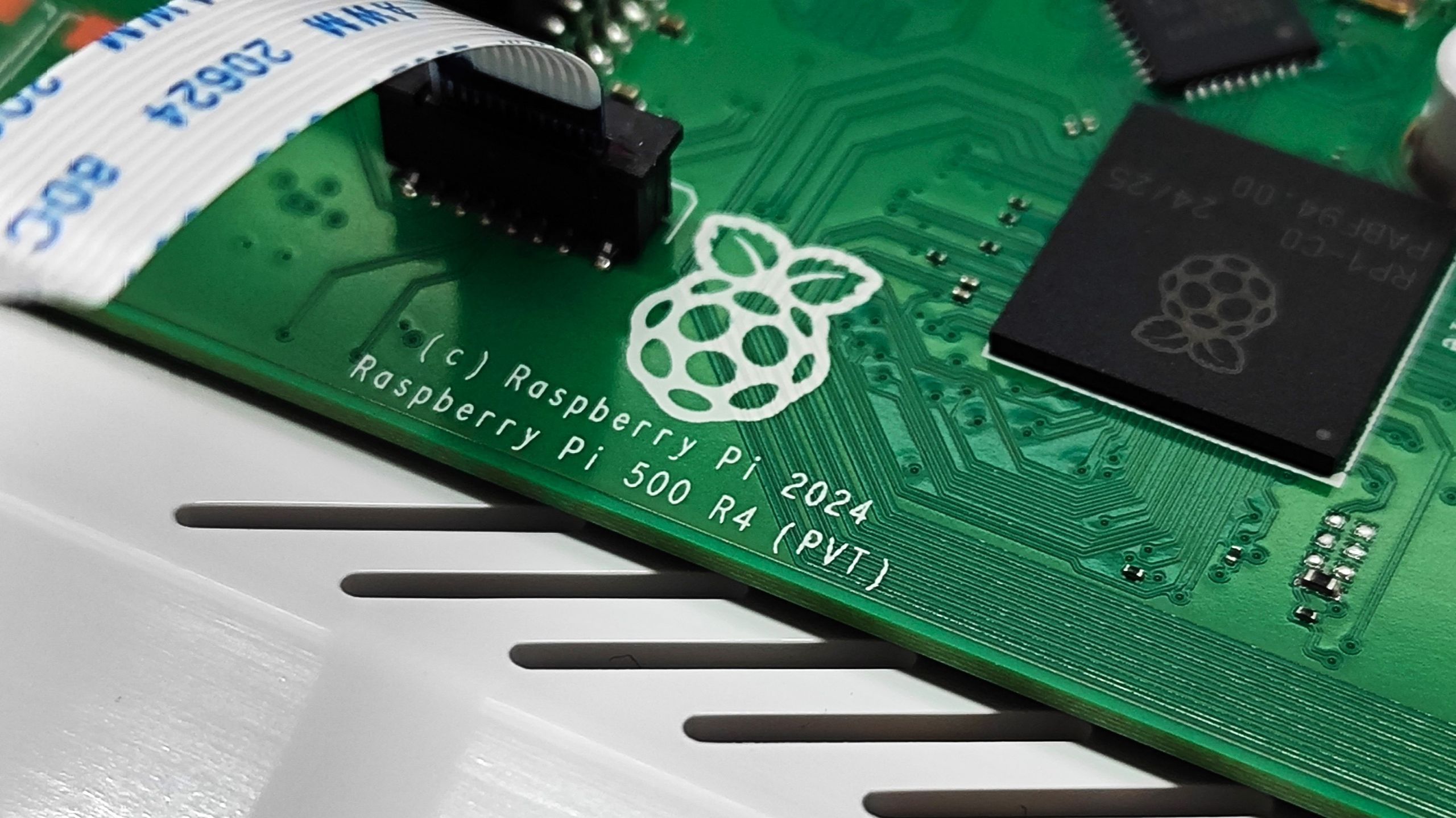
Raspberry Pi has confirmed that its newer firmware locks supported boards to the amount of RAM installed at the factory, making memory chip replacements and capacity upgrades considerably more difficult for hardware enthusiasts.
The restriction means that removing the original memory chip and soldering a higher capacity replacement onto a Raspberry Pi will not automatically give the board access to the extra memory. The firmware records the original RAM configuration and expects the device to continue using that capacity.
The company says the measure was introduced primarily to prevent modified boards with questionable memory chips from being resold as higher specification models.
Raspberry Pi says modified boards created reliability concerns
The issue was explained by Raspberry Pi engineer and forum moderator PhilE, who confirmed that devices have been locked to their original RAM size for some time.
The concern involves businesses buying lower capacity Raspberry Pi models, replacing their memory with larger chips and then selling the modified hardware as more expensive versions.
A company could, for example, purchase a 2GB board and replace its memory package with an 8GB chip.
If labor costs are low enough, the modification could provide a financial incentive for resellers.
The problem from Raspberry Pi's perspective is that these modified systems have not gone through the company's normal testing process. If the replacement memory is unreliable or comes from an uncertain supply chain, customers may experience failures while believing they purchased a normal factory configured Raspberry Pi.
| Change | Effect |
|---|---|
| Factory RAM capacity recorded | Board remains tied to original memory size |
| Larger RAM chip installed | Additional capacity may not become usable |
| Same capacity chip replacement | May also fail depending on device attributes |
| Main reason given | Prevent unreliable modified boards from being resold |
| Firmware rollout | Restrictions appeared from late 2024 onward |
| Possible workaround | Older compatible firmware may avoid the restriction |
Even legitimate RAM repairs can be affected
The restriction does not distinguish between commercial modification and legitimate DIY repair.
A Raspberry Pi owner who has the equipment and skill to replace a damaged memory package may therefore face the same firmware restrictions as a reseller attempting to upgrade a board.
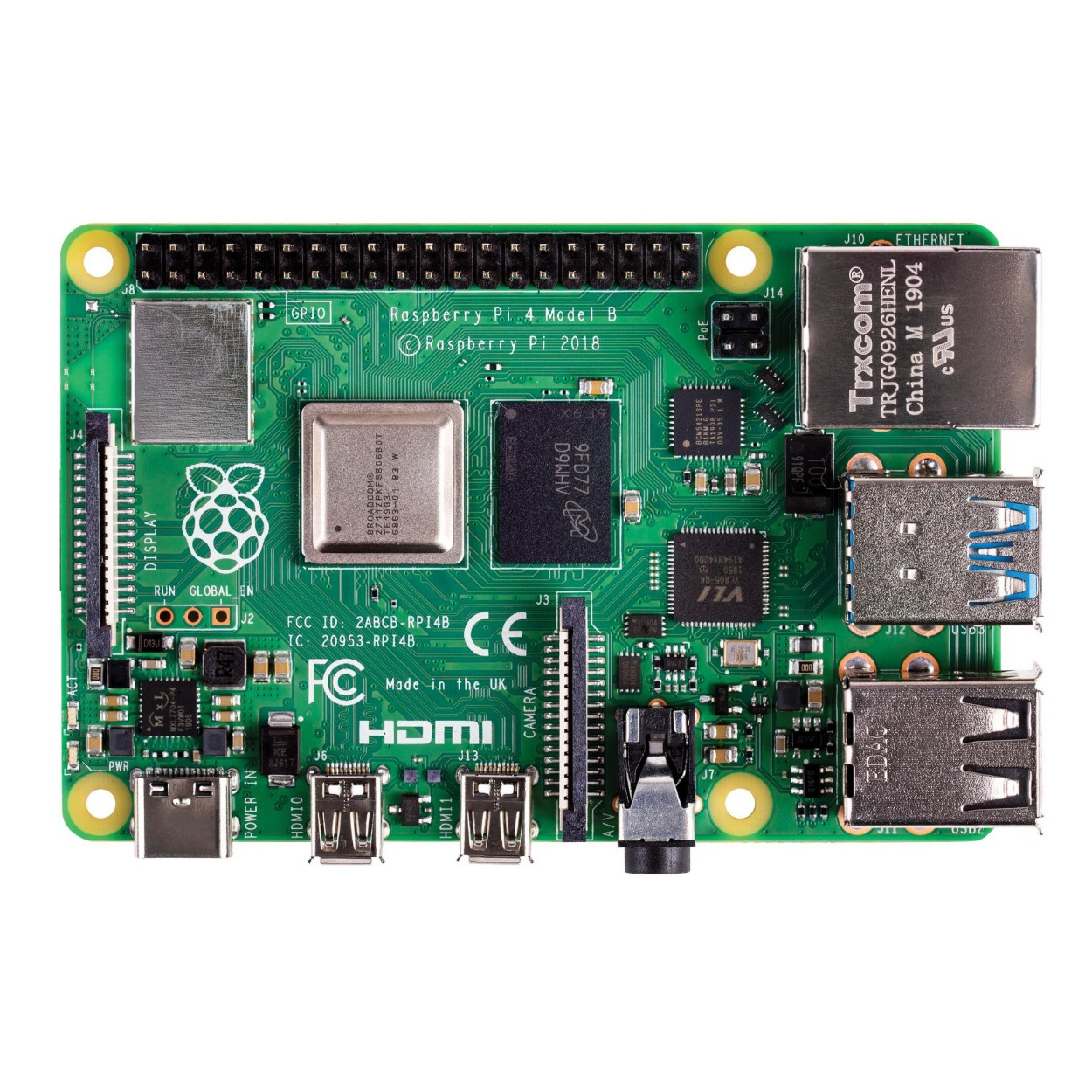
The situation can be more complicated than simply matching the original memory capacity.
According to Raspberry Pi, firmware also programs additional device attributes. Because of that, replacing a damaged chip with another memory package of the same capacity may still fail in some circumstances.
The company's guidance to people considering this type of modification is straightforward: attempting a RAM swap on affected firmware is unlikely to work.
The firmware restriction started before the latest RAM shortage
The timing is notable because Raspberry Pi did not introduce the restriction in response to the current surge in memory prices.
Firmware changes implementing the lock began appearing from late 2024, well before the more recent increase in DRAM prices associated with growing AI data center demand.
That means the decision appears to have been driven primarily by concerns about modified products, reliability and support rather than today's expensive memory market.
Raspberry Pi has traditionally attracted developers and hardware enthusiasts partly because of its strong association with experimentation, education and DIY computing.
A firmware restriction that prevents component level memory modifications therefore creates a clear limitation for advanced enthusiasts who are comfortable performing board level repairs.
Older firmware may offer a route around the restriction
There may be a technical workaround for some boards, although it is far from convenient.
Because the RAM capacity restrictions arrived through firmware updates, affected owners could potentially install an older firmware release created before the locking mechanism was introduced.
Whether that works depends on the Raspberry Pi model and whether suitable older firmware remains compatible with the hardware.
Using outdated firmware can also mean losing later fixes and improvements, so it is not equivalent to official support for RAM replacement.
The change effectively means Raspberry Pi boards should now be treated as having a fixed factory memory configuration, even when an experienced technician has the ability to physically replace the memory package.
For ordinary owners this is unlikely to change daily use. For repair specialists and enthusiasts interested in board level modifications, however, the firmware lock removes a type of hardware experimentation that was previously technically possible.



Discussion (0)
Be the first to comment.