



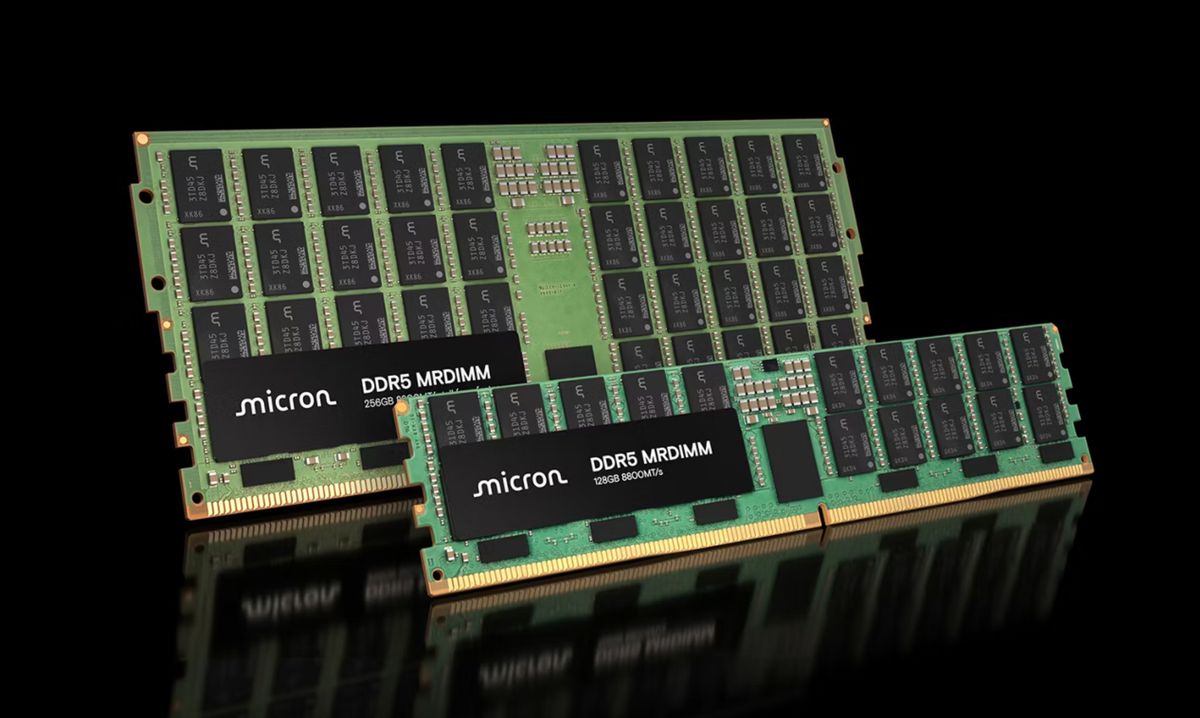
The ongoing RAM shortage has made memory upgrades far more expensive, but many DRAM kit makers appear to be responding in two very different ways: staying quiet or launching even faster, more specialised DDR5 products.
That is a strange direction for a market where many PC builders simply want reliable, affordable memory. For most gaming systems, ultra-high-speed DDR5 is not necessary. A sensible DDR5-5200 or DDR5-6000 kit can deliver strong performance, especially for players using mainstream CPUs or AMD Ryzen X3D processors.
Yet several memory brands are promoting premium DDR5-8000 and DDR5-9200 kits while affordable options remain limited.
Fast DDR5 Is Not the Main Thing Most Gamers Need
High frequency memory can improve performance in certain workloads, but the gains are usually small in normal gaming. The difference becomes more noticeable only when a system is heavily limited by CPU and memory performance, such as a high-end processor paired with an extremely fast graphics card at lower resolutions.
For most people, a well-balanced memory kit matters more than chasing the highest speed rating.
| Memory type | Best use case | Gaming value |
|---|---|---|
| DDR5-5200 CL38 | Budget and everyday gaming PCs | Good enough for most builds |
| DDR5-6000 CL30 to CL32 | Modern AM5 gaming systems | Strong balance of speed and price |
| DDR5-6400 and above | Higher-end Intel systems | Useful in some workloads |
| DDR5-8000 and above | Benchmarking and niche enthusiast builds | Limited benefit for most players |
The issue is not that fast memory should disappear. Enthusiasts, overclockers, creators, and workstation users have valid reasons to want it. But the market also needs lower-cost kits that make a normal PC upgrade more realistic.
Manufacturers Are Still Launching Premium Memory
Recent announcements have focused on unusually fast DDR5 products. G.Skill has shown DDR5-9200 memory, while Geil and Team Group have introduced DDR5-8000 options with different latency ratings.
These kits are aimed at a narrow audience. They are often based on CUDIMM technology, which uses an additional clock driver on the module to support higher speeds. That means compatibility can be limited, especially on older platforms.
CUDIMM memory is mainly designed for newer Intel systems using LGA 1851 motherboards. Even then, the processor’s memory controller and motherboard quality can affect whether those high speeds are stable.
For a typical gaming PC, the real-world benefit may be difficult to notice.
Affordable DDR5 Kits Could Matter More During the Shortage
Memory makers may be focused on premium products because those launches create attention and help maintain brand visibility. Ultra-fast kits are easier to market because the numbers look impressive.
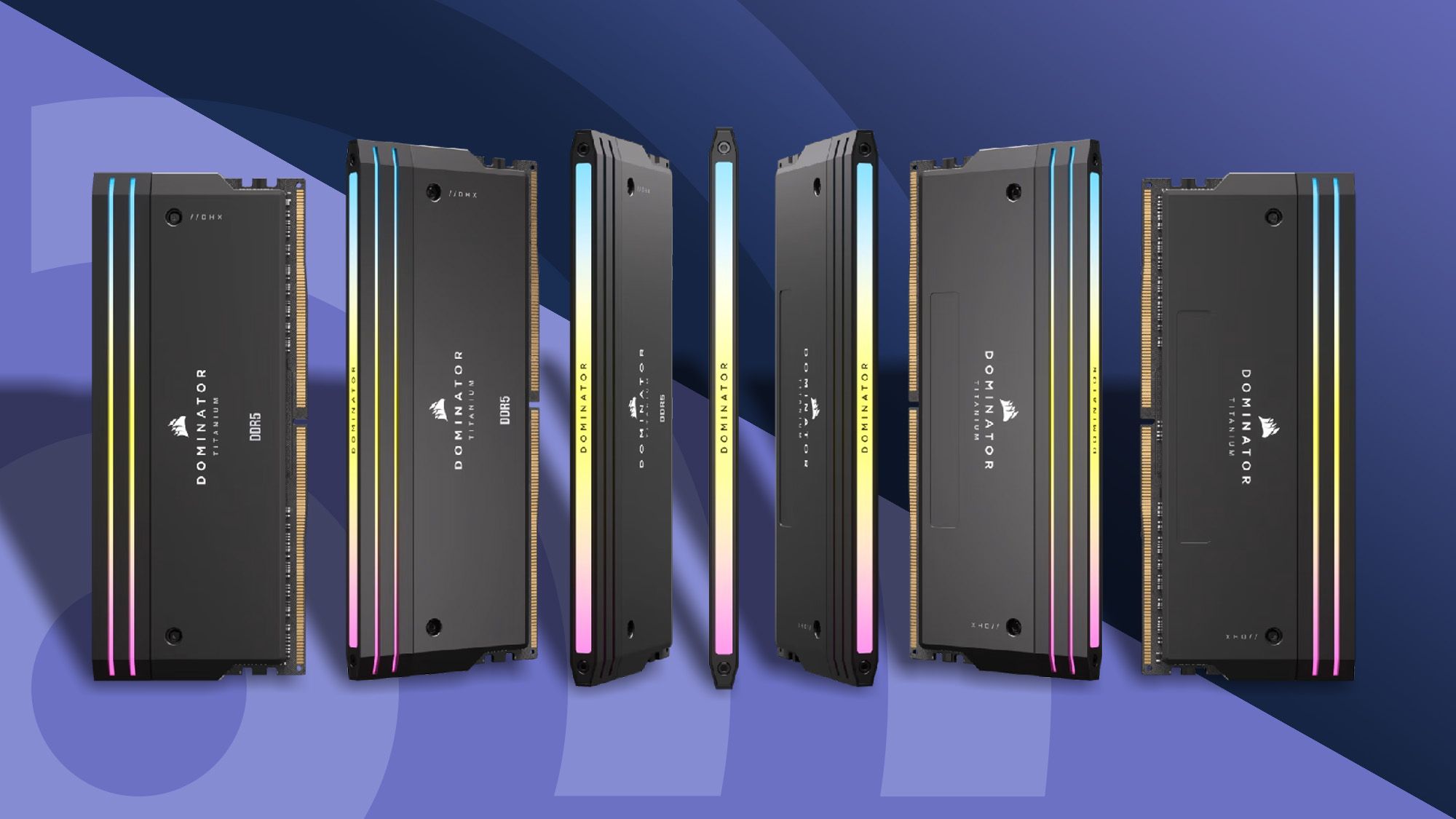
But the wider PC market is under pressure from high component costs. RAM, SSDs, graphics cards, and laptops have all become more expensive, making affordable memory more important than ever.
A wider selection of slower DDR5 kits with sensible timings could help PC builders who only need enough capacity and stable performance. A 32GB kit at DDR5-5200 or DDR5-5600 may not look exciting on a product page, but it could be exactly what many buyers need.
The Market May Eventually Force a Change
If memory prices stay high for several years, demand for practical DDR5 kits will likely grow. PC builders will not stop needing RAM, but they may become less willing to pay extra for speeds that offer limited gaming gains.
The best response would be more choice. Enthusiasts should still have access to DDR5-8000 and DDR5-9200 kits, while mainstream buyers should have affordable 16GB and 32GB options that work well in modern gaming systems.
For now, the RAM market is sending a mixed message. PC builders are looking for relief, but many of the newest memory products are designed for people with the highest budgets.



Discussion (0)
Be the first to comment.