



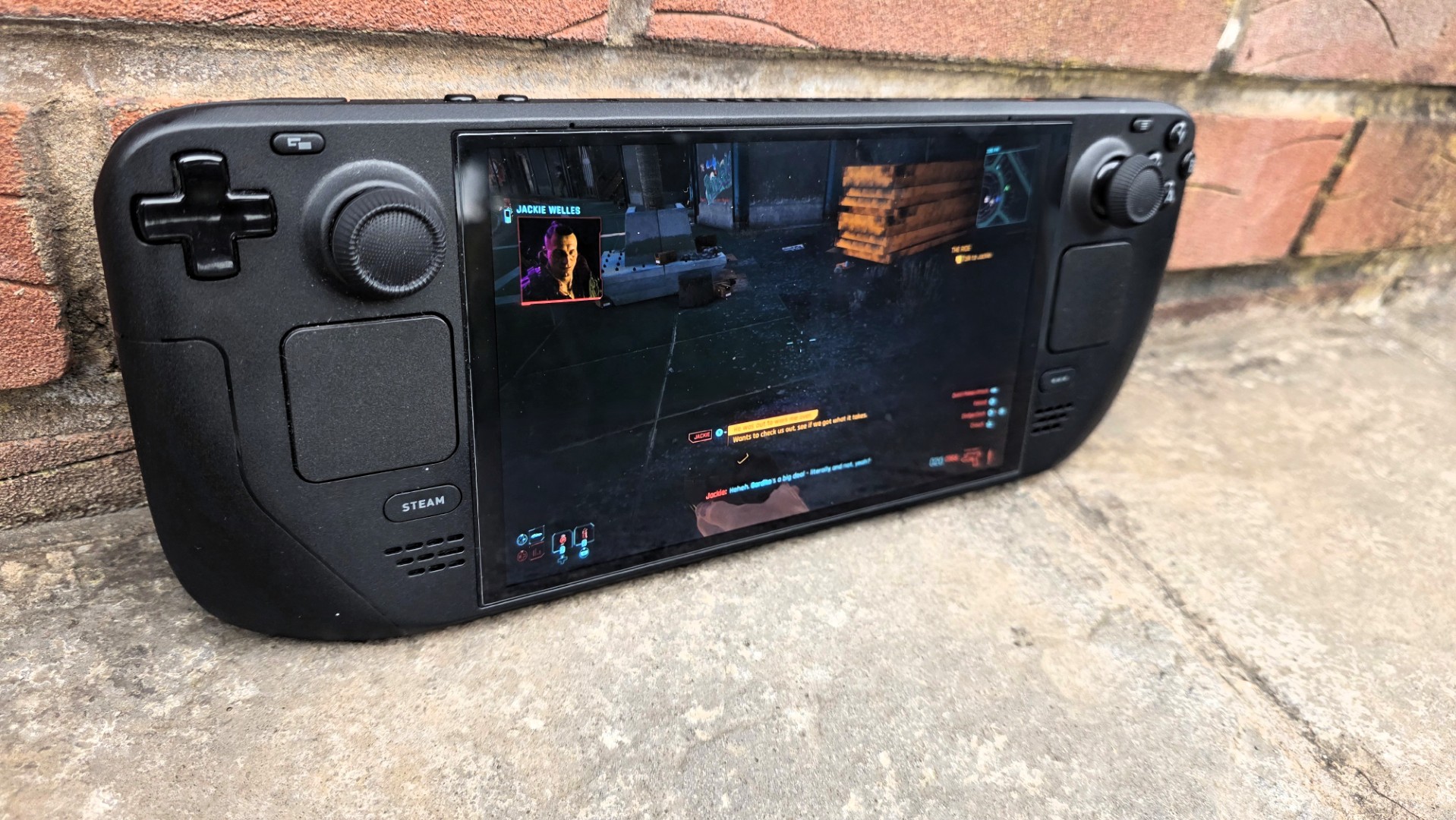
Valve says the Steam Machine benefits heavily from years of work on the Steam Deck, with much of the software and living room experience already proven before the new hardware entered development. According to Valve engineers, the company had already solved most of the platform level challenges through Steam Deck updates, SteamOS improvements, controller support, and TV docking use.
The Steam Machine still requires separate work because it uses a discrete GPU and targets a different performance class. Valve has needed to focus on VRAM management, ray tracing performance, and desktop style graphics hardware. But the broader SteamOS experience, game compatibility work, controller tools, and big screen interface were already in place.
That gives Valve a much stronger starting point than it had during the original Steam Machine era.
Steam Deck Proved the Living Room PC Concept
One of the biggest reasons Valve appears confident in the Steam Machine is that many Steam Deck owners were already using their handhelds as small living room PCs. Players could dock the device to a TV, connect controllers, and play Steam games from the couch without needing a traditional Windows desktop setup.
Valve did not need to build that use case from scratch for the Steam Machine. The Steam Deck had already shown that SteamOS could work on a television setup, even when connected through a dock.
| Steam Deck groundwork | Steam Machine benefit |
|---|---|
| SteamOS updates | More mature software platform |
| Controller support | Easier couch gaming setup |
| Big Picture interface | Ready for TV focused use |
| Proton compatibility work | Larger game library support |
| Docked gameplay | Proven living room experience |
| Hardware bug fixes | Fewer early platform issues |
The Steam Deck had its own launch problems, including availability limits, fan complaints, software related stick drift reports, and dock issues. Valve has spent years improving those areas, and that experience should reduce the number of basic problems the Steam Machine faces at launch.
Steam Machine Still Has Its Own Hardware Challenges
The Steam Machine is not simply a larger Steam Deck. It has to manage a discrete GPU, more memory, different cooling requirements, and stronger graphics features.
Ray tracing and VRAM use are especially important because the machine is designed to run games at higher settings and higher resolutions than a handheld. Those features create more technical work than Valve needed for Steam Deck.
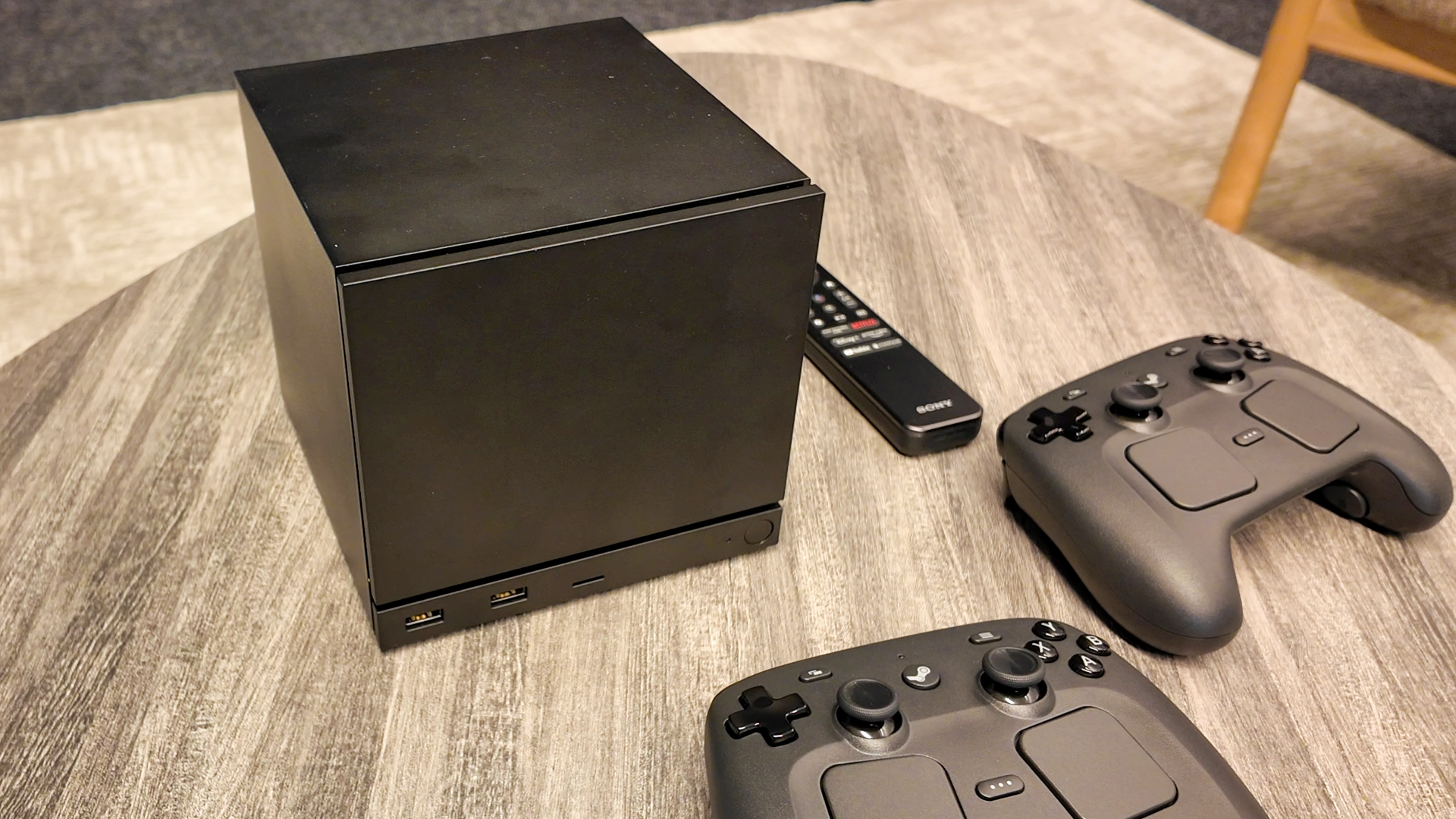
Still, the company appears to view those issues as the remaining part of a much larger platform that is already complete. Steam Input, SteamOS, Proton, Big Picture Mode, controller configuration, and TV focused gaming have all been developed over several hardware generations.
Valve’s approach has been gradual. The original Steam Controller, Steam Machines, Steam Link, Steam Deck, and SteamOS updates have all contributed to the same larger goal of making PC gaming easier to use outside a desk setup.
Memory Shortages Could Slow Future Steam Hardware
The Steam Machine’s biggest problem may not be software at all. Memory and storage supply shortages have made hardware planning more difficult, affecting both pricing and availability.
Valve has already indicated that securing parts has been challenging, and lower prices remain difficult while RAM and storage costs stay high. That could also affect plans for a future Steam Machine revision or a Steam Deck successor.
Valve has suggested that future Steam Machine models are likely, but not on the same long cycle as the Steam Deck. New hardware will arrive when it makes practical sense rather than on a fixed schedule.
For now, the Steam Machine looks like the result of years of gradual work rather than a fresh experiment. The Steam Deck may have started as a handheld gaming PC, but it also helped Valve build much of the platform needed to bring SteamOS back to the living room.



Discussion (0)
Be the first to comment.