



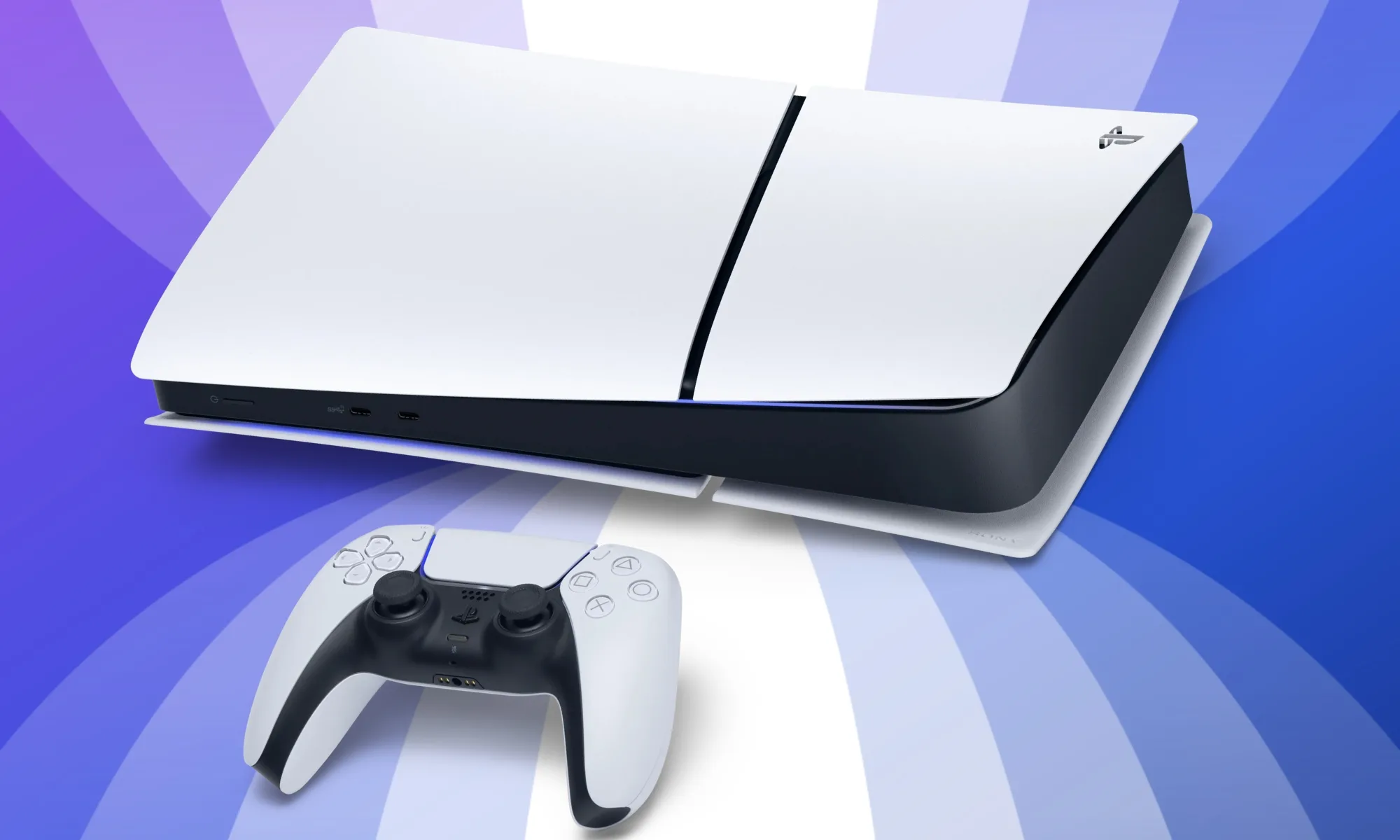
Sony may be facing a difficult hardware choice with PlayStation 6: keep the specs ambitious, or cut memory to avoid a launch price that feels too high for a console.
During Sony’s recent earnings call, executives said the company has not locked in the PS6 launch timing yet. One reason is the ongoing memory shortage, which continues to push up prices across the hardware industry.
That matters because memory is one of the most important and expensive parts of a modern console. If RAM prices stay high, Sony may have to adjust the PS6 design to keep the system within a reasonable price range.
According to AMD leaker KeplerL2, the most realistic cuts would be reducing the memory bus and lowering the system memory target. Instead of a more ambitious 32GB setup, Sony could move toward 24GB of memory and a 128 bit memory bus if it becomes desperate to lower costs.
KeplerL2 claimed that cutting the memory bus to 128 bit could reduce the bill of materials by around $60 at current GDDR7 prices. It could also improve chip yields because Sony would be able to use chips with some memory controller defects by disabling one controller.
Here is the rumored tradeoff:
| Possible PS6 area | Reported option |
|---|---|
| Ideal memory target | 32GB |
| Possible reduced target | 24GB |
| Possible memory bus cut | 128 bit |
| Possible cost saving | Around $60 in bill of materials |
| SSD | Keeping 1TB is seen as more reasonable than cutting it |
The idea is not without risk. A narrower memory bus would reduce bandwidth, which could limit performance in some workloads. That may matter more as next generation games push higher resolutions, more complex worlds, ray tracing, and AI assisted rendering.
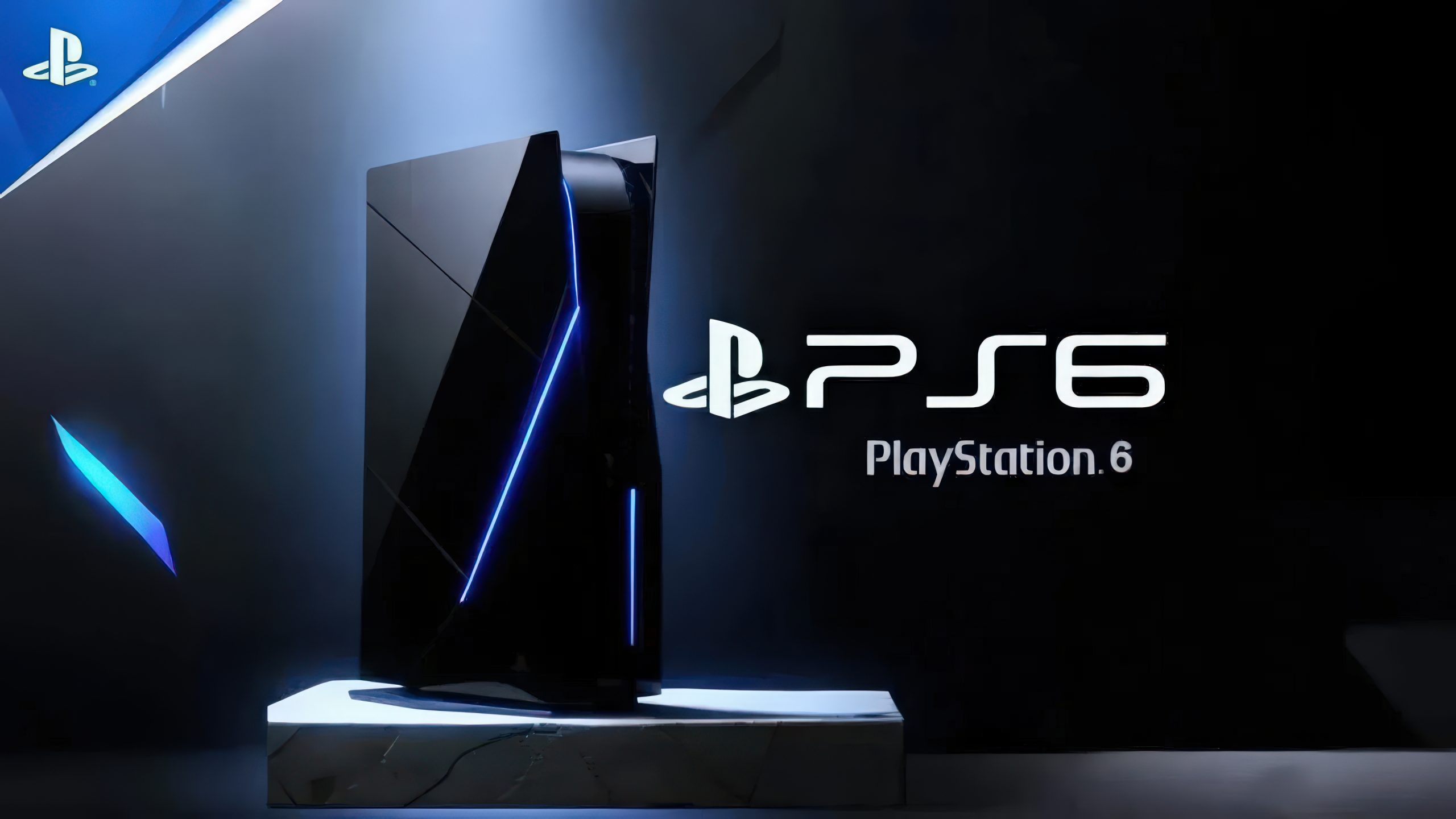
Still, KeplerL2 suggested developers would likely prefer 24GB of RAM with somewhat lower memory performance over a smaller 20GB setup. More memory can make a big difference for game assets, open worlds, texture quality, and multitasking.
That makes sense. Developers usually want more usable memory because it gives them room to build larger and more detailed games. Bandwidth matters too, but running out of memory can be even more limiting.
The bigger issue is perception. If Sony cuts too much, PS6 may not feel like a strong enough jump over PS5. That could make it harder to convince players to upgrade, especially if the final price is still high.
Console buyers are already more price sensitive than before. Hardware costs are rising, memory shortages are affecting everything from PCs to phones, and even Nintendo has had to deal with higher component prices. If PS6 launches too expensive, Sony risks slowing adoption. If it cuts specs too far, it risks weakening the next generation leap.
Sony has to find the balance. A console needs to be powerful enough to justify a new generation, but affordable enough to reach a large audience.
For now, none of this is confirmed. The PS6 specs, price, and launch window remain unannounced. But the memory shortage is real, and it may shape Sony’s next console more than expected.

Discussion (0)
Be the first to comment.