



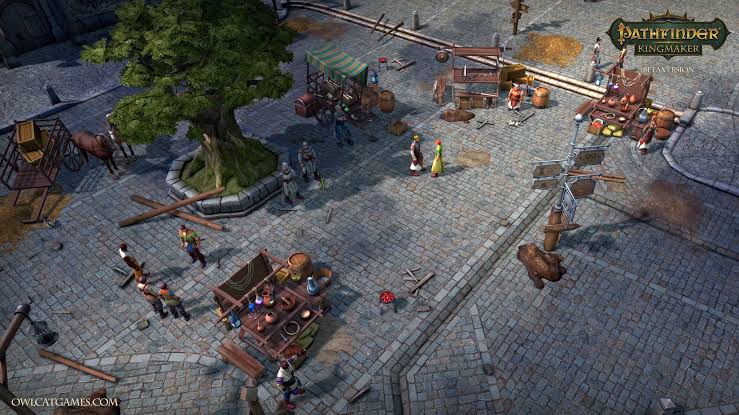
Owlcat Games has confirmed that it intends to continue making traditional computer role playing games while also experimenting with different formats, original settings, and licensed universes.
The studio marked its tenth anniversary in June 2026 after releasing three major RPGs during its first decade. Its catalogue includes Pathfinder: Kingmaker, Pathfinder: Wrath of the Righteous, and Warhammer 40,000: Rogue Trader.
Owlcat is now preparing two different projects. Warhammer 40,000: Dark Heresy will continue its work in the CRPG genre, while The Expanse: Osiris Reborn will become the studio’s first third person RPG when it launches in 2027.
The company is also working on an unannounced game that will differ from its previous CRPG projects. Despite that expansion, Owlcat says it has no plans to leave the genre that established its reputation.
Crowdfunding Helped Owlcat Find Its Audience
Owlcat’s early development was influenced by the return of classic isometric RPGs during the 2010s.
At a time when major publishers were focusing more heavily on third person action games and multiplayer projects, the success of Pillars of Eternity showed that there was still demand for detailed, party based role playing games.
That market helped Owlcat move forward with Pathfinder: Kingmaker. Its crowdfunding campaign attracted 18,351 supporters and raised $909,000, exceeding the original $500,000 target.
The campaign for Pathfinder: Wrath of the Righteous was even larger. More than 35,000 people pledged around $2 million to support the sequel.
| Owlcat milestone | Key detail |
|---|---|
| Studio age | 10 years |
| Major games released | Three |
| Kingmaker crowdfunding | $909,000 from 18,351 backers |
| Wrath of the Righteous crowdfunding | Around $2 million from over 35,000 backers |
| Upcoming CRPG | Warhammer 40,000: Dark Heresy |
| First third person RPG | The Expanse: Osiris Reborn |
| Planned release for The Expanse | 2027 |
| Additional development | One unannounced project |
Owlcat now funds its games internally, but it continues involving players during development. Pre release builds and community feedback helped shape Rogue Trader, and the same approach is being used for Dark Heresy.
The studio views this relationship as an important part of its long term stability. Supporters do more than provide feedback. They also introduce the games to wider audiences and help Owlcat compete in a crowded RPG market.
The Team Chooses Settings It Understands
Owlcat says its interest in Warhammer 40,000 came from inside the development team rather than from a calculated attempt to reach a larger audience.
More than half of the studio reportedly wanted its next major project to use the Warhammer universe. The company then approached the licence holder and quickly found common ground for an RPG.
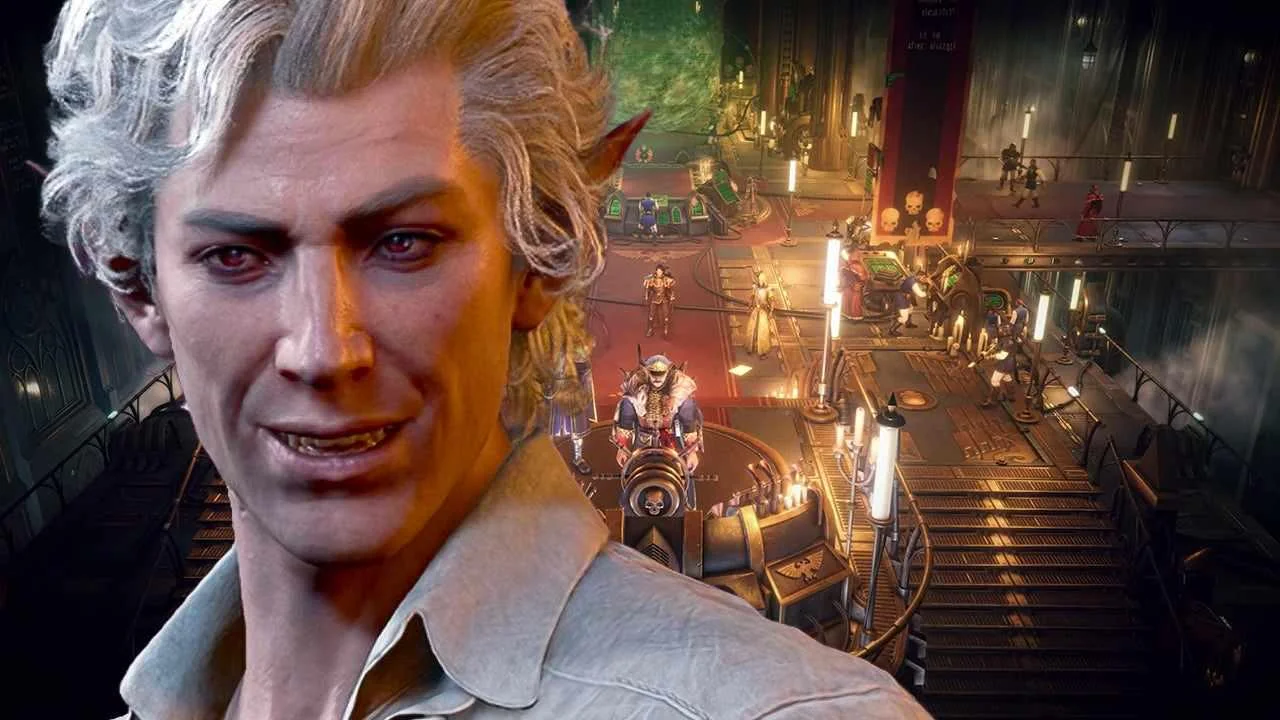
Many developers working on the Warhammer projects collect miniatures and have detailed knowledge of the setting. That familiarity allows the team to work with established lore while creating new stories that remain consistent with the wider universe.
The studio applies a similar standard when considering other intellectual properties. It prefers projects based on worlds that its developers already understand and enjoy.
Owlcat says discussions are taking place with several owners of established properties. Those talks could eventually lead to additional licensed RPGs, although no agreements or new titles have been announced.
Several Projects Can Be Developed at Once
Owlcat has structured the studio so that multiple games can move through development at the same time.
Some projects are already in full production, while others remain in early planning or concept stages. This model allows different creative teams to explore more ideas without waiting for one game to be completed before another begins.
The approach also helps explain how Owlcat released three large RPGs within ten years while expanding into publishing and preparing projects in different formats.
The studio does not want every game to spend five or six years in development. Its creative leaders want to try several ideas during their careers, which has encouraged the company to maintain multiple production teams.
This strategy brings risks. Large role playing games require extensive writing, testing, balancing, and technical support. Managing several projects can place pressure on staff and increase the difficulty of maintaining consistent quality.
Owlcat believes that strong internal interest in each project helps its teams maintain momentum. The company says it generally avoids working on settings or concepts that do not have genuine support from its developers.
Owlcat Wants CRPGs to Keep Evolving
Although Owlcat is known for detailed systems and traditional isometric design, the company does not want to repeat older games without examining whether their ideas still work.
The development team holds quarterly discussions about established design conventions. These meetings consider whether older mechanics remain useful, need improvement, or may prevent new ideas from developing.
Players familiar with Baldur’s Gate, Icewind Dale, Pillars of Eternity, and Wasteland already understand many traditional CRPG systems. Owlcat believes new games must offer more than familiar mechanics presented in another setting.
That view is especially important as established developers continue releasing major RPGs. Studios such as Larian and Obsidian have shown that traditional role playing systems can reach broad audiences when paired with modern design and strong presentation.
Dark Heresy could bring Owlcat to more players by building on the reception of Rogue Trader. The Expanse: Osiris Reborn may reach another audience through its third person format and science fiction setting.
Owlcat’s longer term ambitions also include creating a completely original universe. That project is not described as immediate, but senior creative staff want the studio to eventually develop a setting it owns.
The company is therefore expanding without abandoning its foundation. Licensed worlds, original ideas, traditional CRPGs, and third person projects can all remain part of its future. Owlcat’s clearest commitment is that the CRPG genre will continue to be central to the studio’s work.



Discussion (0)
Be the first to comment.