



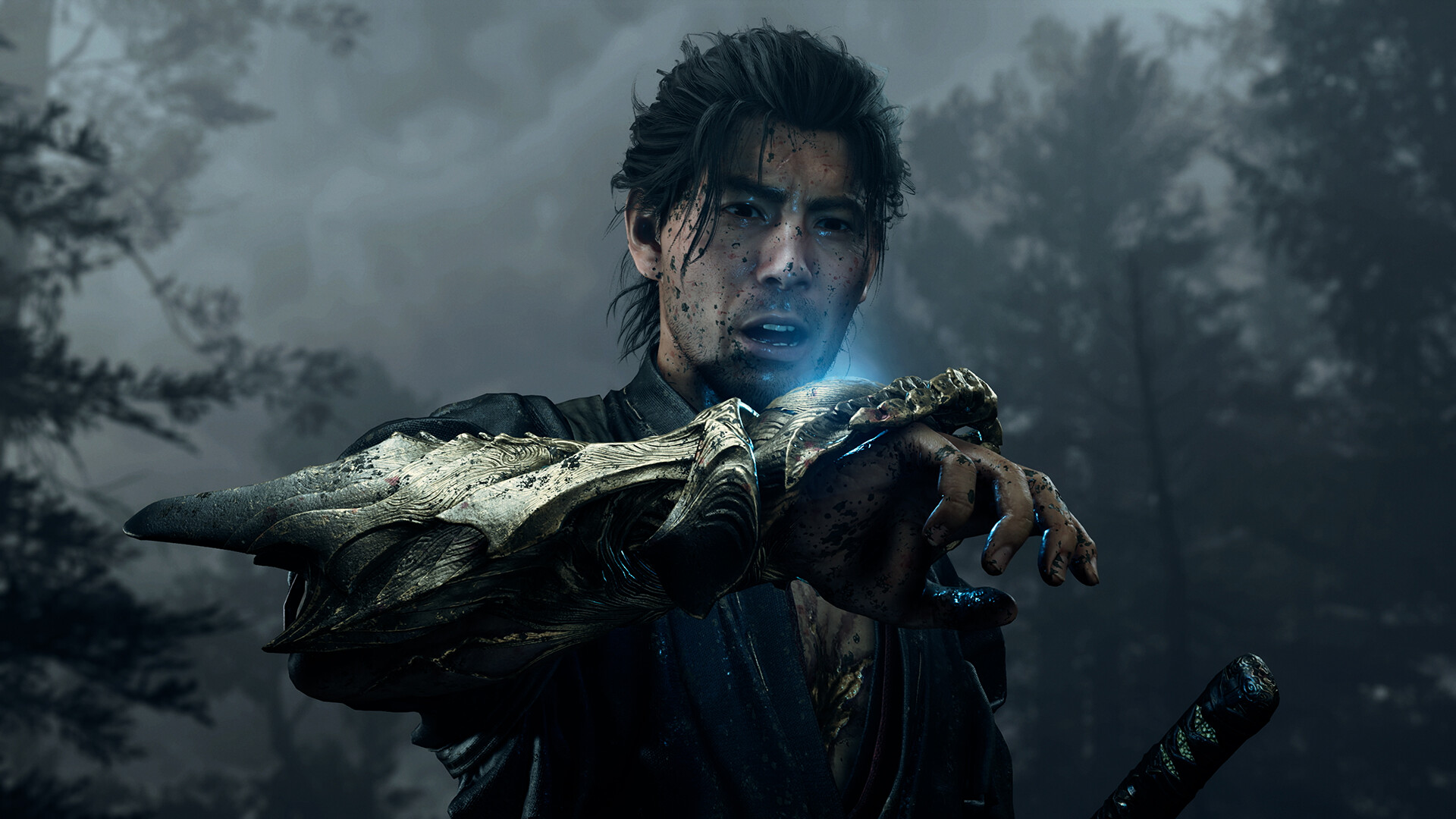
Onimusha: Way of the Sword will expand beyond the series’ traditional linear structure with larger areas of Kyoto that support exploration, optional missions, conversations with non playable characters, and hidden boss encounters.
The game is not becoming a full open world experience. Its main story will still guide you through structured stages, but some sections will allow you to leave the central path and investigate nearby districts.
This approach gives CAPCOM room to preserve the focused pacing of earlier Onimusha games while adding more opportunities to explore its historical setting. It also gives players more reasons to engage with the combat system outside required encounters.
Onimusha: Way of the Sword is in development for PC, PlayStation 5, Xbox Series X|S, and Nintendo Switch 2.
Kyoto will include larger explorable sections
A recent preview showed environments that were broader than the narrow and linear areas featured in the earlier playable demo.
One section reportedly opened a substantial part of Kyoto. Players could continue following the main objective or move away from it to find side quests and other activities.
| World design element | Confirmed direction |
|---|---|
| Main structure | Story driven and largely linear |
| Open world | No |
| Larger areas | Selected parts of Kyoto |
| Side quests | Available in broader sections |
| Non playable characters | Can be approached and spoken to |
| Hidden bosses | Included |
| Optional exploration | Supported |
This design resembles a hub or semi open structure rather than one continuous map. It can provide freedom without creating the navigation and pacing problems sometimes associated with large open worlds.
Players should still have a clear route through the story, but optional paths may contain additional combat, rewards, or details about Kyoto.
Side content will explore Kyoto’s history and folklore
Game director Satoru Nihei said Kyoto’s history and unusual stories influenced the optional content.
Players will be able to speak with different characters and accept missions that reveal more about the city. Some of these activities may draw from regional legends, supernatural tales, or historical locations.
This fits the wider identity of Onimusha, which combines real Japanese history with demons and fantasy elements.
| Optional activity | Possible role |
|---|---|
| NPC conversations | Provides stories, guidance, or quests |
| Side missions | Explores local events and folklore |
| Hidden bosses | Tests advanced combat skills |
| Environmental exploration | Reveals additional locations |
| Optional rewards | May support upgrades or progression |
CAPCOM has not detailed how many side quests or larger areas will appear in the final game. It is also unclear whether Kyoto will function as one connected hub or several separate zones.
Hidden bosses should give Issen combat more depth
Hidden boss encounters may be one of the most important additions for players interested in mastering the combat system.
Onimusha: Way of the Sword places strong emphasis on the Issen mechanic, which rewards precise timing and counterattacks. Optional bosses can provide harder encounters where players need to use those systems more carefully.
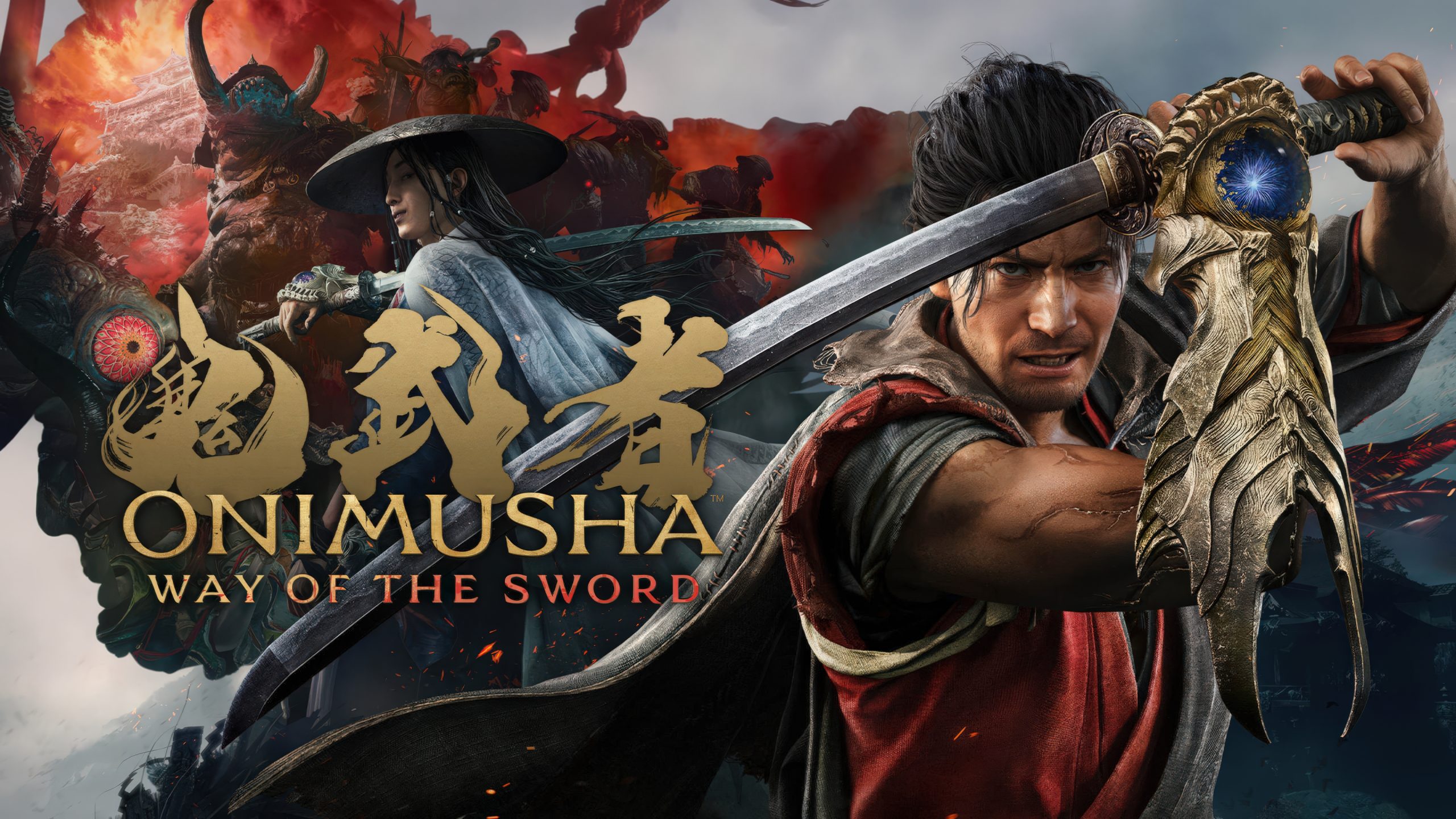
The earlier demo received positive attention for its atmosphere and sword combat, although some players felt that it was too easy.
CAPCOM has already confirmed that the full game will include adjustable difficulty options. Combining harder settings with optional bosses could give experienced players a more demanding experience.
| Combat feature | Expected purpose |
|---|---|
| Issen attacks | Rewards accurate timing |
| Adjustable difficulty | Lets players customise challenge |
| Hidden bosses | Provides optional high difficulty battles |
| Side missions | Creates more combat opportunities |
| Larger environments | Supports varied encounter layouts |
The studio has not yet explained how detailed the difficulty settings will be. They could adjust enemy damage, health, timing windows, aggression, or other combat elements.
The game keeps its linear foundation
The new information does not mean Onimusha is following the modern open world model.
The game will still have a main path and structured objectives. The larger Kyoto areas appear to be carefully placed sections where players can explore before returning to the central story.
That balance may suit the series better than a completely open environment.
Earlier Onimusha games used compact locations, puzzles, backtracking, and carefully arranged enemy encounters. Expanding selected areas can modernise that formula without removing its focus.
| Traditional design | New addition |
|---|---|
| Linear stages | Broader Kyoto districts |
| Fixed story progression | Optional side routes |
| Scripted enemy encounters | Hidden bosses |
| Limited character interaction | More NPC conversations |
| Compact environments | Selective exploration zones |
A controlled structure can also help CAPCOM maintain visual quality and design stronger individual combat encounters.
CAPCOM is making a larger return for the series
Onimusha: Way of the Sword represents the first major new game in the series after a long absence.
The franchise began in 2001 and became known for combining samurai action, horror elements, puzzles, and fixed progression. Its return could have relied only on modern graphics and updated combat, but CAPCOM appears to be making broader changes.
The expanded areas suggest that the studio wants the game to appeal to both existing fans and players who expect more exploration from modern action adventures.
At the same time, keeping the game away from a full open world structure may help it avoid unnecessary size and repetition.
Optional content may strengthen the setting
Kyoto can provide more than a backdrop for combat.
Side quests and character interactions could make the city feel more connected to the story. They may also explain how ordinary people are responding to the supernatural threat.
Hidden locations can reward curiosity, while optional bosses can give players reasons to revisit areas or test stronger equipment.
The effectiveness of this structure will depend on the quality of the side content. Short missions with meaningful stories or unusual enemies could improve the experience. Repetitive tasks would add less value.
CAPCOM has not shared the final number of districts, missions, or hidden bosses.
Onimusha: Way of the Sword now appears to be a larger project than its original demo suggested. It will retain the series’ linear core while opening selected areas of Kyoto for side quests, exploration, NPC interactions, and difficult optional fights.
That structure could modernise Onimusha without turning it into another oversized open world game.



Discussion (0)
Be the first to comment.