



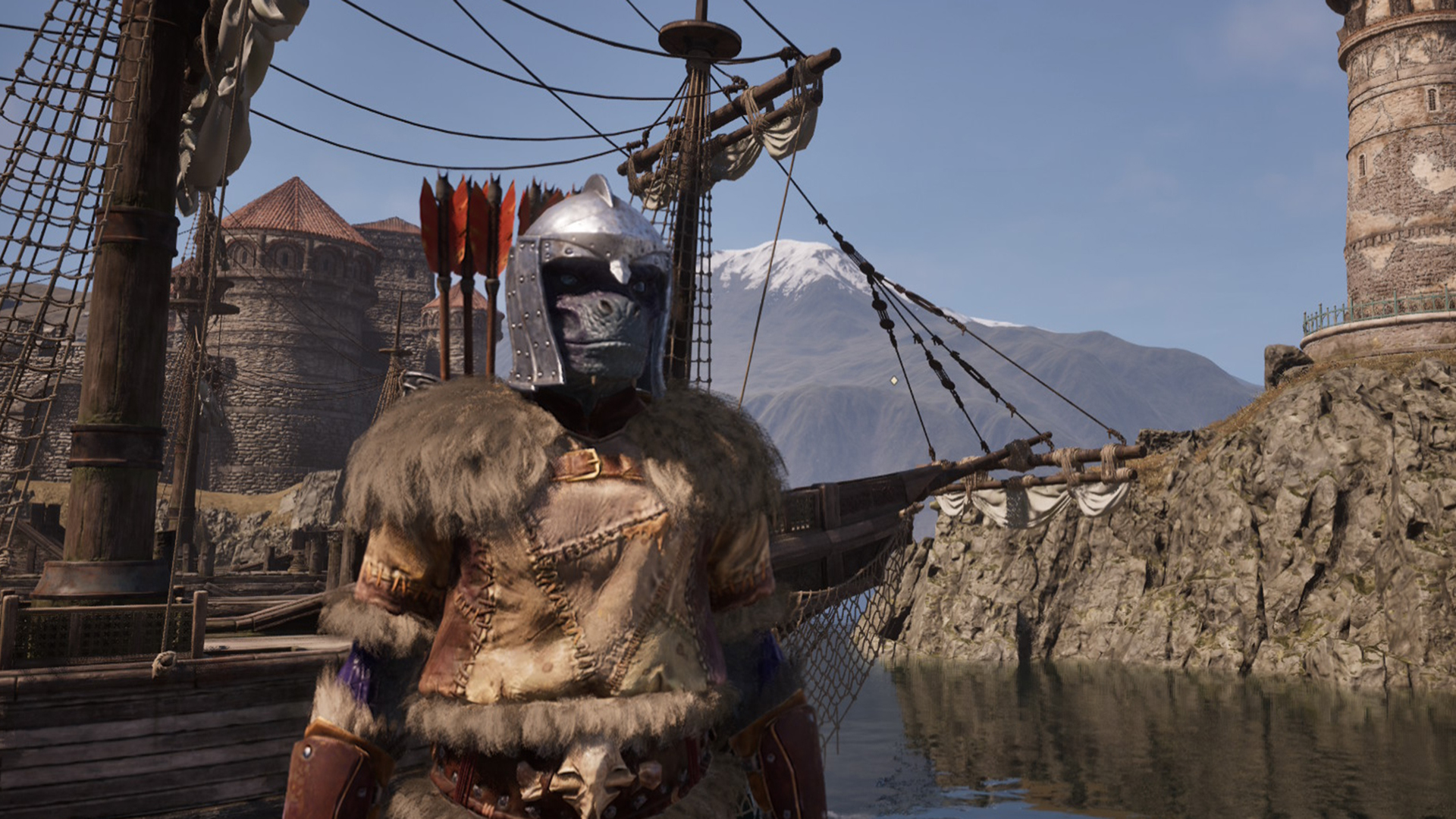
The Elder Scrolls IV: Oblivion Remastered is now available on Nintendo Switch 2, and an early comparison suggests the handheld version holds up better than expected against more powerful hardware.
The Switch 2 version uses lower visual settings and a lower internal resolution than the PlayStation 5 and Xbox versions, but NVIDIA DLSS helps reconstruct a sharper final image. In the comparison cited in the report, the result looks cleaner than the Xbox Series S version despite the Switch 2 working from a lower base resolution.
Performance is still imperfect, particularly in large outdoor areas, but the game often reaches its 30 FPS target.
Oblivion Remastered Switch 2 comparison
| Feature | Nintendo Switch 2 | Xbox Series S |
|---|---|---|
| Visual settings | Lower than other console versions | Higher overall settings |
| Base resolution | Lower | Higher |
| Upscaling | NVIDIA DLSS | No DLSS |
| Final image quality | Reportedly sharper in comparison | Softer image |
| Performance target | Around 30 FPS | Varies by scene |
| Open world drops | Present | Also affected by performance issues |
The result is notable because Oblivion Remastered is built around demanding Unreal Engine 5 features and has already shown performance problems on stronger platforms.
DLSS gives Switch 2 an important advantage
The biggest factor in the comparison is NVIDIA DLSS.
Switch 2 can render the game at a relatively low internal resolution and then use machine learning based reconstruction to improve the final image.
That allows the system to reduce GPU load without producing an image that looks as soft as traditional lower resolution rendering might suggest.
Xbox Series S cannot use NVIDIA’s upscaler, which puts it at a disadvantage in this particular comparison.
The Switch 2 version still makes visible compromises in other areas, but the reconstructed image reportedly looks better than the Series S output.
Visual settings remain below the stronger consoles
The Switch 2 port does not match PlayStation 5 or other more powerful systems in raw graphics settings.
Several settings have been reduced to make the game practical on Nintendo’s hardware.
Even so, the report says the overall presentation remains above the PC version’s lowest settings, which helps prevent the port from looking heavily stripped back.
That balance is important because simply reducing every setting would have made the game easier to run but could have weakened the remastered presentation.
Performance often reaches 30 FPS
The port also appears reasonably stable considering the hardware.
Frame rate drops still occur in open environments, which is consistent with the broader performance problems seen in Oblivion Remastered on other platforms.
However, the Switch 2 version often manages to reach 30 FPS.
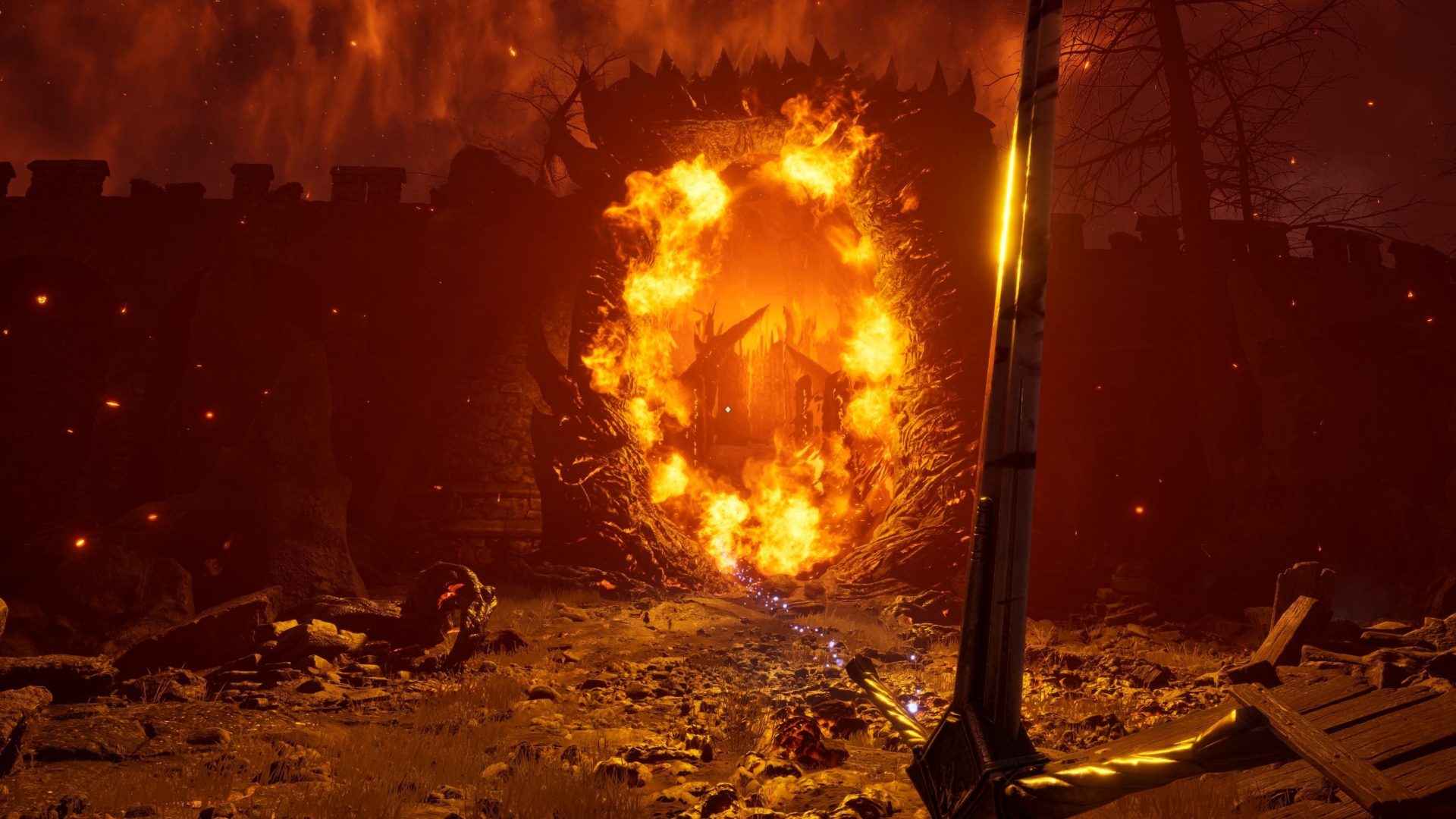
That does not mean performance is locked, and the comparison does not suggest that every area runs perfectly.
Still, maintaining a playable 30 FPS target for much of the experience is a solid result for a handheld version of a demanding Unreal Engine 5 title.
Switch 2 continues to benefit from NVIDIA technology
Oblivion Remastered is another example of how important DLSS can be for Nintendo’s current hardware.
Switch 2 cannot compete directly with PlayStation 5 or Xbox Series X in raw GPU performance, so efficient reconstruction becomes a major part of how demanding games can be adapted to the system.
The lower internal resolution reduces rendering cost, while DLSS helps recover detail in the final image.
That tradeoff appears to work particularly well here.
The port still has limitations
The comparison does not suggest that Switch 2 is the best version overall.
PlayStation 5 and stronger systems still have advantages in settings, resolution and hardware capability.
The more interesting result is that the Switch 2 version compares favorably with Xbox Series S in image clarity while remaining portable.
For players who want to take Oblivion Remastered on the go, the port appears to preserve much more of the game’s visual presentation than its hardware specifications might have suggested.
The final experience still includes frame rate drops, but DLSS helps the Switch 2 deliver a sharper image and competitive presentation without needing to match the internal resolution of the other console versions.



Discussion (0)
Be the first to comment.