



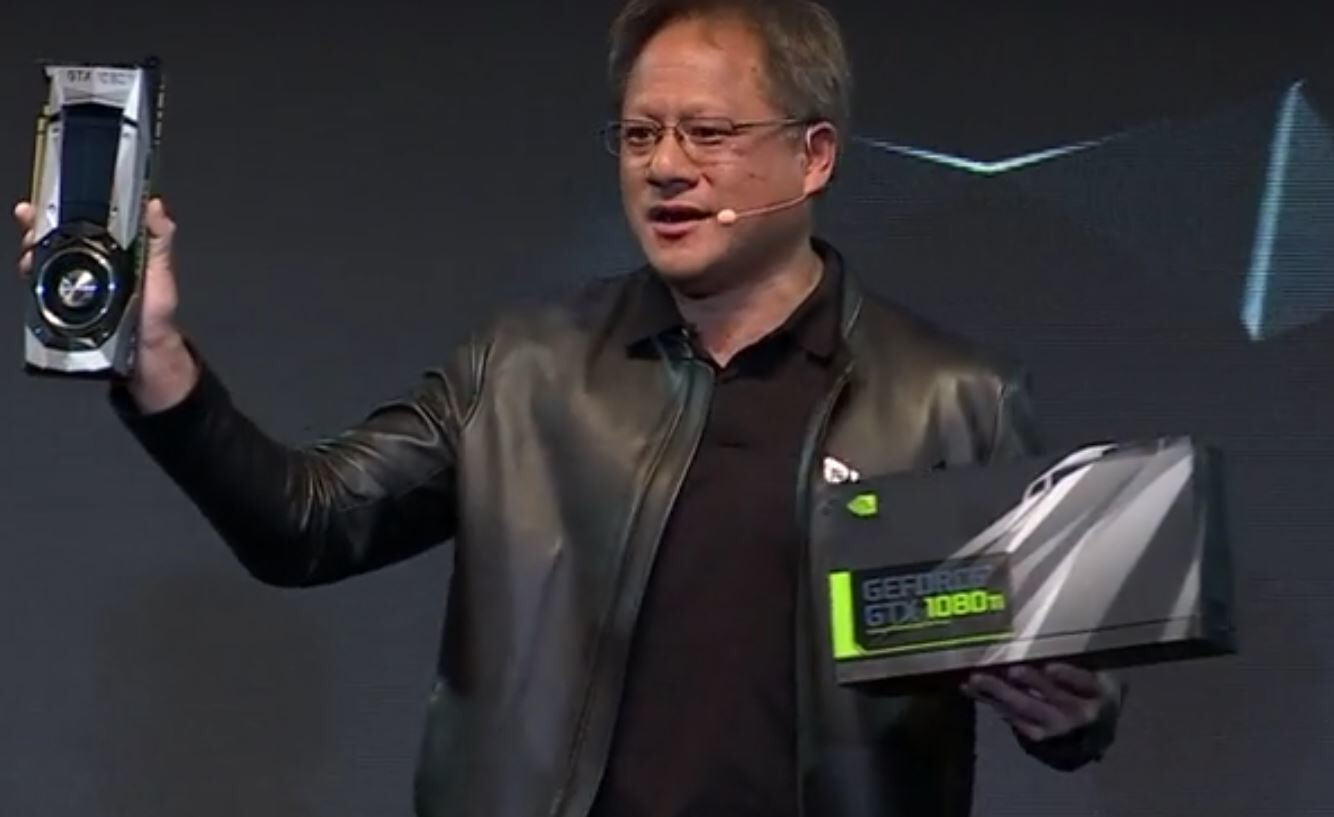
NVIDIA’s GeForce GTX 10 series has now reached its 10 year mark, and it remains one of the most memorable GPU families the company has ever released.
The Pascal lineup arrived in May 2016, before RTX branding, ray tracing cores, Tensor cores, DLSS, and neural rendering became part of the normal PC gaming conversation. At the time, the focus was much simpler: higher frame rates, better efficiency, stronger overclocking, and more performance for the money.
The GeForce GTX 1080 was the first major Pascal card to make an impact. It showed a clear jump over the previous Maxwell generation, with strong 1440p performance, high clock speeds, and much better power efficiency. NVIDIA also used games like DOOM 2016 to show how fast the card could be, with frame rates reaching well above 200 FPS in demos.
The GTX 1080 Ti later became the card many PC gamers remember most. It arrived with a large performance jump and stayed relevant for years. It also put major pressure on AMD’s Radeon RX Vega lineup, which struggled to compete once NVIDIA’s Ti model entered the market.
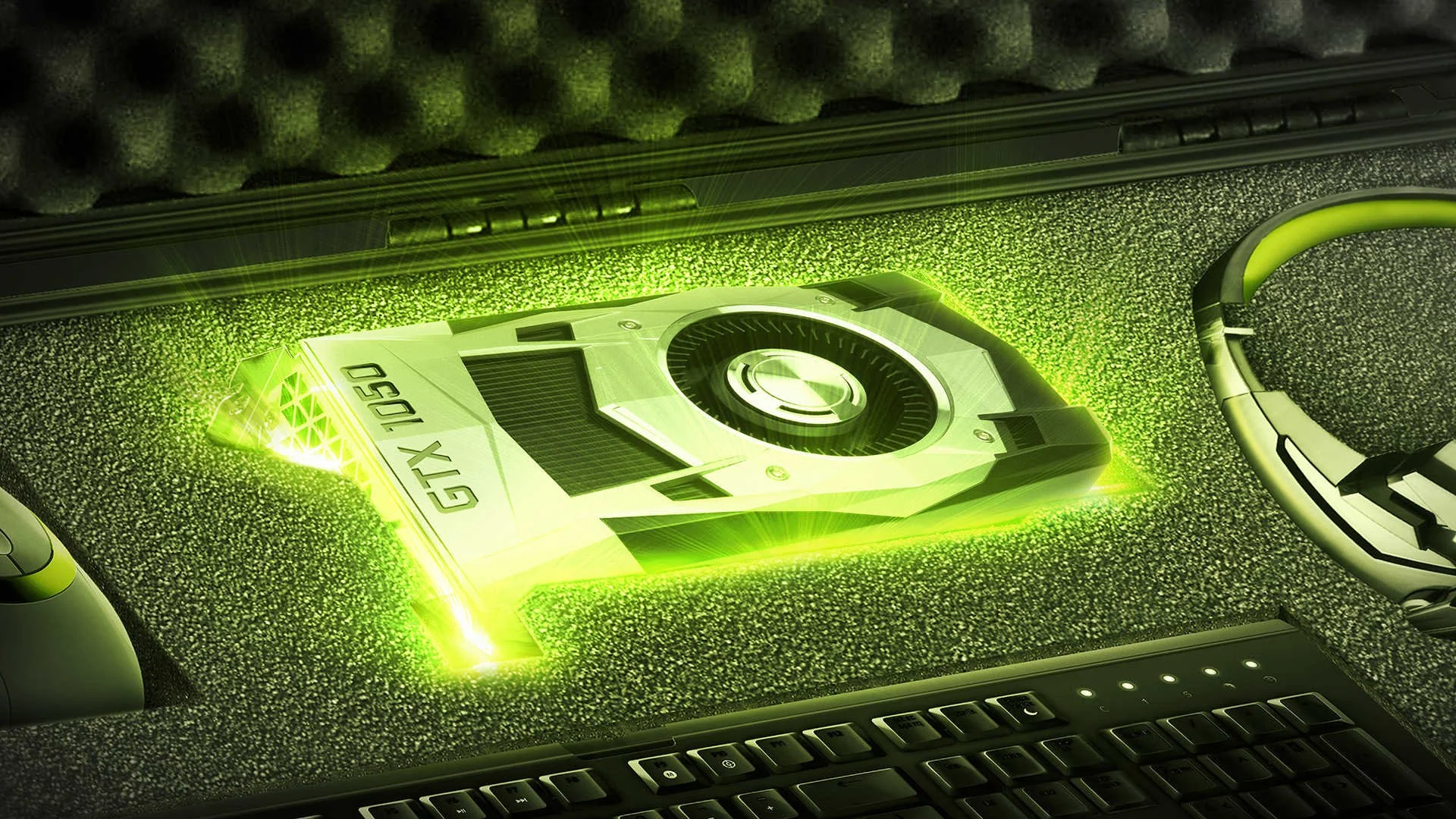
Pascal covered a wide range of GPUs, from entry level cards like the GT 1010 and GTX 1050 to high end models like the GTX 1080 Ti and Titan Xp. The lineup gave different types of PC builders a clear upgrade path, whether they wanted an affordable 1080p card or a powerful enthusiast GPU.
Here is a quick look at why Pascal is still remembered:
| Area | Why it mattered |
|---|---|
| Performance | Big jump over Maxwell GPUs |
| Efficiency | Strong frame rates without extreme power use |
| Clock speeds | Many cards could reach or pass 2GHz |
| Gaming focus | Built mainly around raster performance |
| Popular models | GTX 1060, GTX 1070, GTX 1080, and GTX 1080 Ti |
| Legacy | Stayed useful for many gamers for years |
The GTX 10 series also arrived during a different era of PC gaming. Games depended mainly on traditional rasterization, and performance gains came from shader power, memory upgrades, and architecture improvements. There was no need to think about AI upscaling or ray tracing settings in every major release.
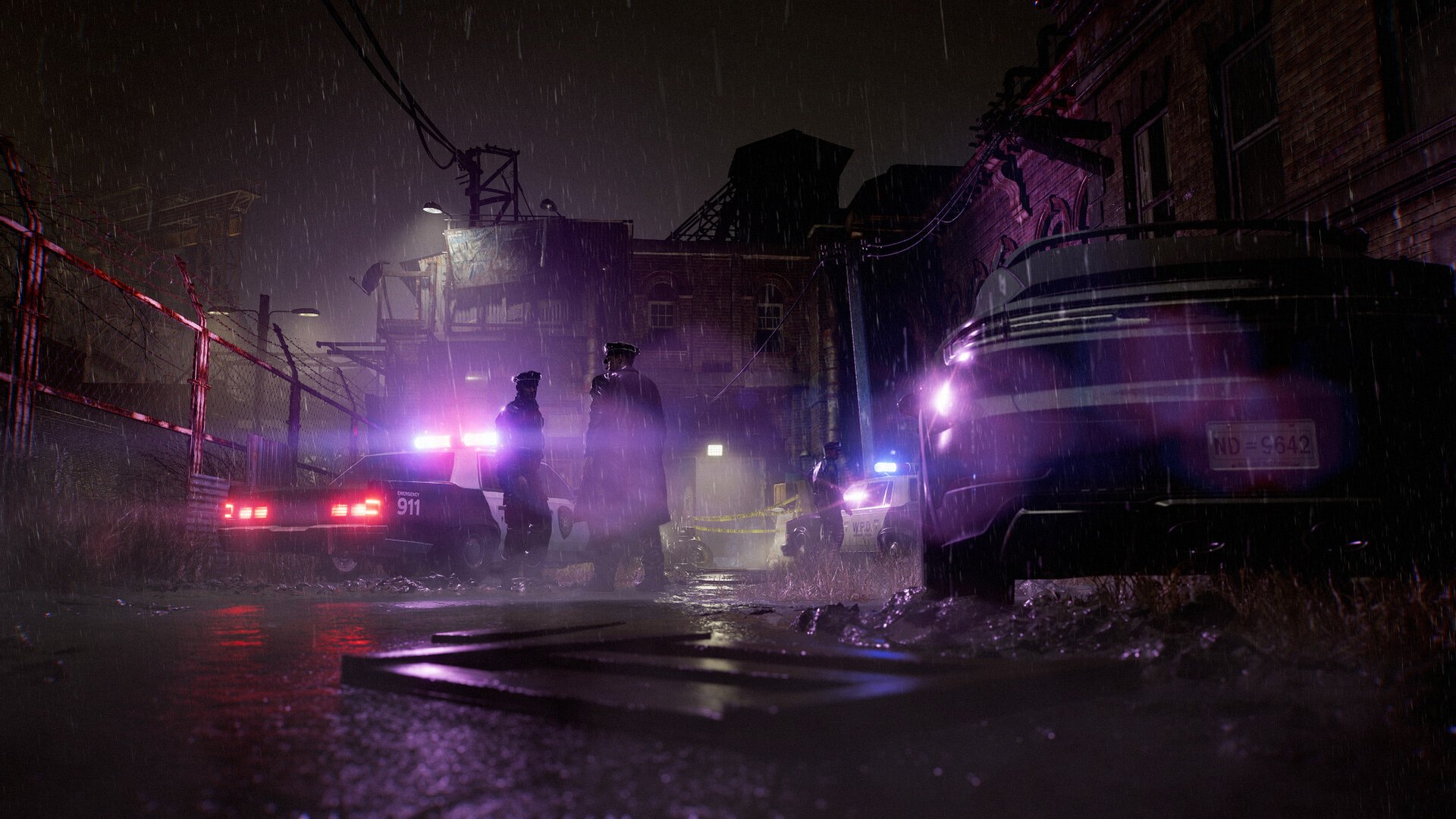
That does not mean newer technology is bad. DLSS, ray tracing, path tracing, and neural rendering have changed what PC games can look like. Games such as Cyberpunk 2077 and Alan Wake 2 show how much visual quality has moved forward. Still, Pascal stands out because it delivered a clean and direct performance upgrade at a time when many gamers simply wanted more FPS and better value.
NVIDIA moved to the RTX era with the GeForce RTX 20 series only a couple of years later, bringing hardware ray tracing and DLSS into the market. That shift changed the direction of graphics cards, but it also made Pascal feel like the last major GTX generation before PC gaming entered its current AI assisted era.
Ten years later, the GeForce GTX 10 series still has a strong reputation. The GTX 1060 became one of the most widely used gaming GPUs, the GTX 1070 offered strong value, and the GTX 1080 Ti remains one of NVIDIA’s most respected flagship cards. For many PC gamers, Pascal was not just a good generation. It was the generation that carried their systems for years.


Discussion (0)
Be the first to comment.