



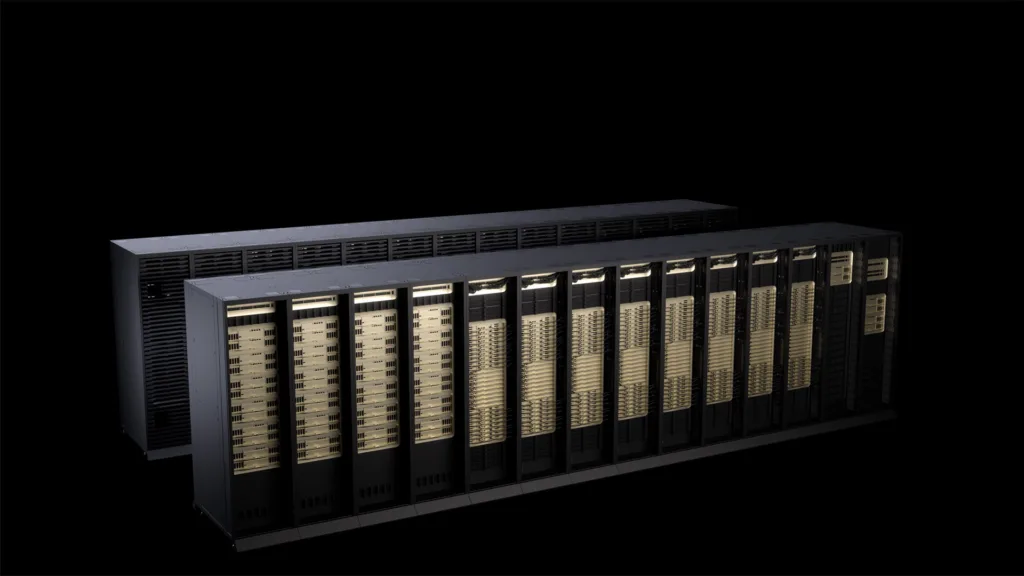
NVIDIA's Vera Rubin platform is putting even more pressure on memory supply, with DRAM accounting for a much larger share of system cost than it did with Grace Blackwell.
The Vera Rubin NVL72 rack uses 72 Rubin GPUs and 36 Vera CPUs. Together, they create a very large memory pool built from HBM4 and LPDDR5X, with total capacity reaching about 74.7 TB per rack.
That scale comes at a high price. Memory is estimated to account for around 62% of the cost of a Vera Rubin Superchip, compared with roughly 53% for Grace Blackwell systems. The overall system cost is estimated to be about 2.1 times higher than the previous generation, while the memory portion has risen by around 2.5 times.
Vera Rubin memory and cost breakdown
| Area | Reported figure |
|---|---|
| GPUs per NVL72 rack | 72 |
| CPUs per NVL72 rack | 36 |
| HBM4 per Rubin GPU | 288 GB |
| LPDDR5X per Vera CPU | 1.5 TB |
| Total HBM4 per rack | About 20.7 TB |
| Total LPDDR5X per rack | 54 TB |
| Total memory per rack | About 74.7 TB |
| Estimated Superchip cost | $38,902 |
| Estimated memory cost per Superchip | $24,297 |
| Memory share of Superchip cost | About 62% |
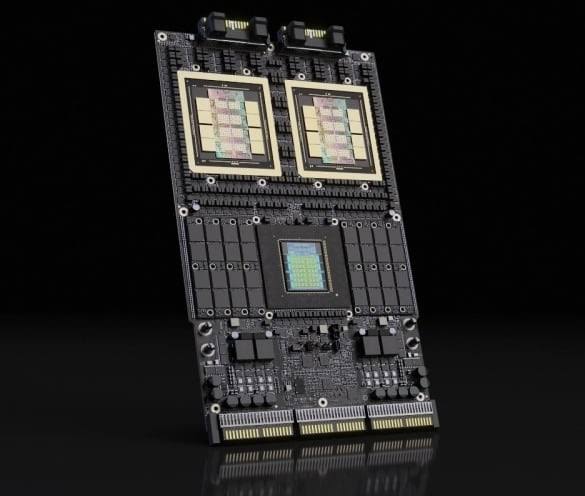
Each Rubin GPU carries 288 GB of HBM4 and offers bandwidth of up to 22 TB/s. Each Vera CPU is paired with as much as 1.5 TB of LPDDR5X through SOCAMM2 memory.
A Vera Rubin Superchip combines two Rubin GPUs with one Vera CPU. The full NVL72 system contains 36 of these Superchips.
The reported bill of materials puts the estimated cost of one Superchip at $38,902. Of that amount, around $24,297 is tied to memory.
HBM4 on the Rubin side is estimated to cost about $4,943 per GPU, while the SOCAMM2 memory connected to the Vera CPU is estimated at around $19,355. That makes memory by far the dominant cost on the CPU side.
The estimated cost of the Vera CPU itself, excluding memory and smaller board components, is only a fraction of the total.
AI systems are consuming far more DRAM
The 74.7 TB memory capacity of one Vera Rubin rack shows how quickly AI infrastructure is changing the DRAM market.
For comparison, that amount of memory is roughly equivalent to the combined DRAM capacity of thousands of smartphones. When large cloud providers deploy thousands of these racks, the total memory requirement becomes enormous.
This matters because AI companies are competing for the same memory supply used across PCs, servers, graphics cards and other electronics.
NVIDIA is not alone in increasing memory consumption. AMD's next generation AI platforms are also using much larger HBM4 capacities, including accelerators with up to 432 GB of HBM4 per GPU.
That means demand pressure is coming from several major AI hardware platforms at the same time.
Memory is becoming the main cost driver
The shift from Grace Blackwell to Vera Rubin shows that memory is taking up a larger share of total AI system cost.
Faster accelerators need more memory capacity and bandwidth to handle larger AI models and more complex workloads. That pushes suppliers toward HBM4 and high capacity LPDDR5X, both of which are expensive and difficult to produce at scale.
The result is a market where DRAM suppliers increasingly prioritize large AI customers through long term supply agreements.
For NVIDIA, the performance gains from Vera Rubin come with a clear tradeoff. The platform delivers far more memory than its predecessor, but that memory now represents most of the cost of the Superchip.
As more Vera Rubin systems enter production, and as AMD and other companies expand their own high memory AI platforms, the pressure on global DRAM supply is likely to remain a major issue for the rest of the hardware market.



Discussion (0)
Be the first to comment.