




NVIDIA’s next generation Rubin AI platform could create a major strain on LPDDR memory supply in 2027, with estimates suggesting Rubin alone may need more LPDDR memory than Apple and Samsung combined.
The concern comes from rising demand for AI servers. New AI platforms need large amounts of fast, low power memory, and LPDDR has become useful for these systems because it offers high capacity in a compact and efficient design. That is the same type of memory heavily used in smartphones, which means AI hardware and phone makers may be competing for the same supply.
Citrini Research estimates that NVIDIA’s Rubin AI platform could use more than 6,000 million GB of LPDDR memory in 2027. By comparison, Apple’s expected LPDDR demand for iPhones is estimated at 2,966 million GB, while Samsung’s estimated demand is 2,724 million GB. Together, Apple and Samsung would need around 5,720 million GB, which is still lower than Rubin’s projected demand.
| Company or platform | Estimated 2027 LPDDR demand |
|---|---|
| NVIDIA Rubin AI platform | More than 6,000 million GB |
| Apple iPhones | 2,966 million GB |
| Samsung smartphones | 2,724 million GB |
| Apple and Samsung combined | 5,720 million GB |
This shows how quickly AI hardware is changing the memory market. A single major AI platform could require more LPDDR than two of the biggest smartphone companies combined. That would have been hard to imagine a few years ago, when LPDDR demand was mainly driven by phones, tablets, and laptops.
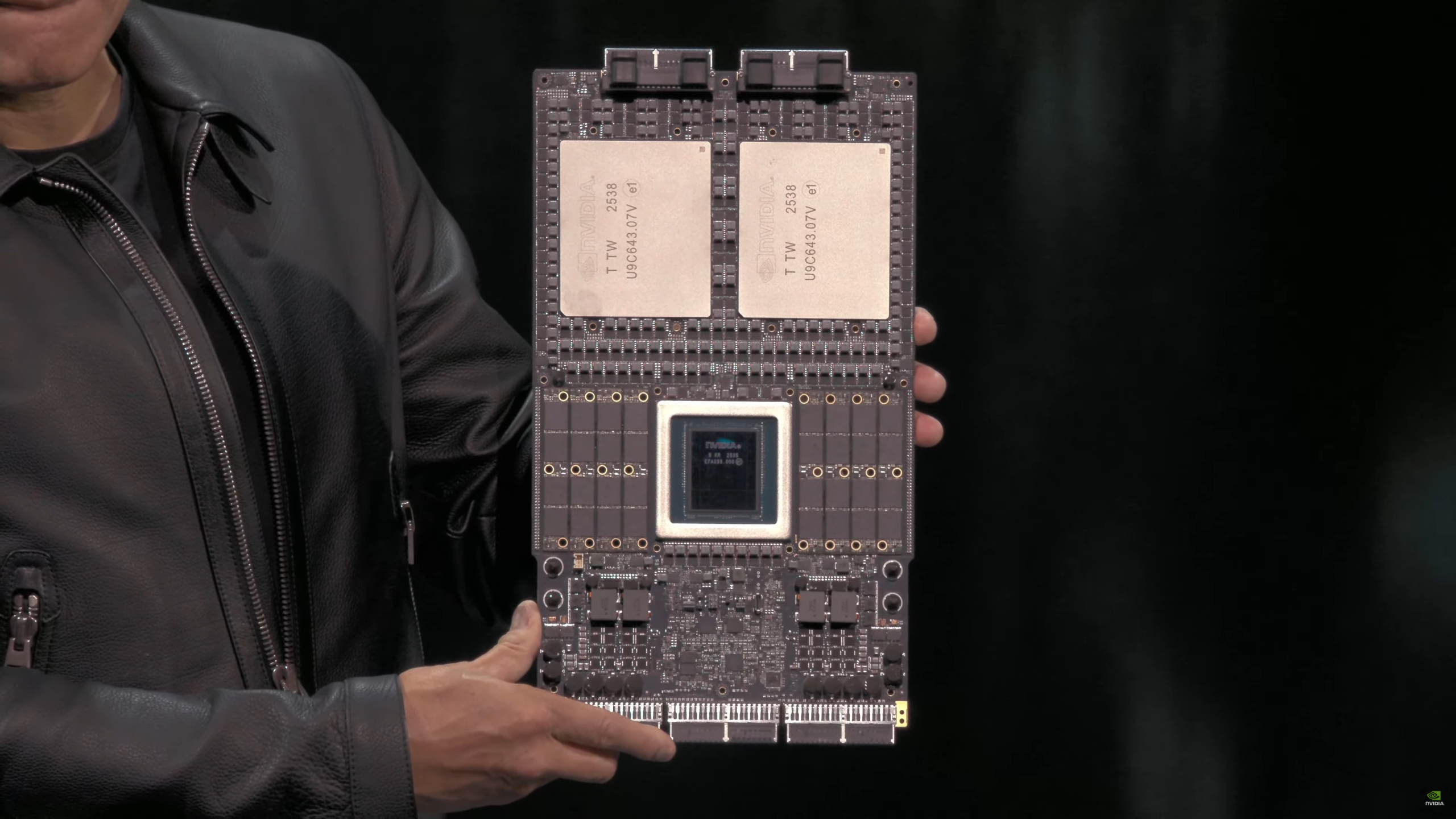
NVIDIA is not the only company adding pressure. AMD’s MI400 series and other agentic AI platforms are also expected to use large amounts of LPDDR5 and LPDDR5X memory. AMD’s Verano CPUs and MI455X chips for Helios racks are also expected to support LPDDR5X, adding more demand from the server side.
Memory makers are already preparing for this shift. Micron has introduced 256GB LPDDR5X SOCAMM2 memory, while SK Hynix is producing 192GB LPDDR5X SOCAMM2 memory for NVIDIA’s Vera Rubin platform. Samsung, SK Hynix, and Micron are also increasing production and building new facilities to reduce the supply gap.
The problem is that new memory capacity takes time. If AI server demand grows faster than supply, smartphone brands may face higher prices, tighter availability, and possible production limits. That could affect future phones, especially premium models that need more memory for AI features, cameras, and multitasking.
The wider tech industry is already feeling the impact of memory demand. DRAM prices have been rising in several segments, and AI hardware is now one of the biggest reasons. If Rubin and competing AI platforms scale as expected, LPDDR may become one of the most important bottlenecks in 2027.
For phone buyers, this may eventually show up as higher device prices or slower upgrades in memory capacity. For AI companies, it shows how much infrastructure demand is growing. The next wave of AI hardware will not only need faster chips. It will need enormous amounts of memory, and that could reshape the whole supply chain.



Discussion (0)
Be the first to comment.