


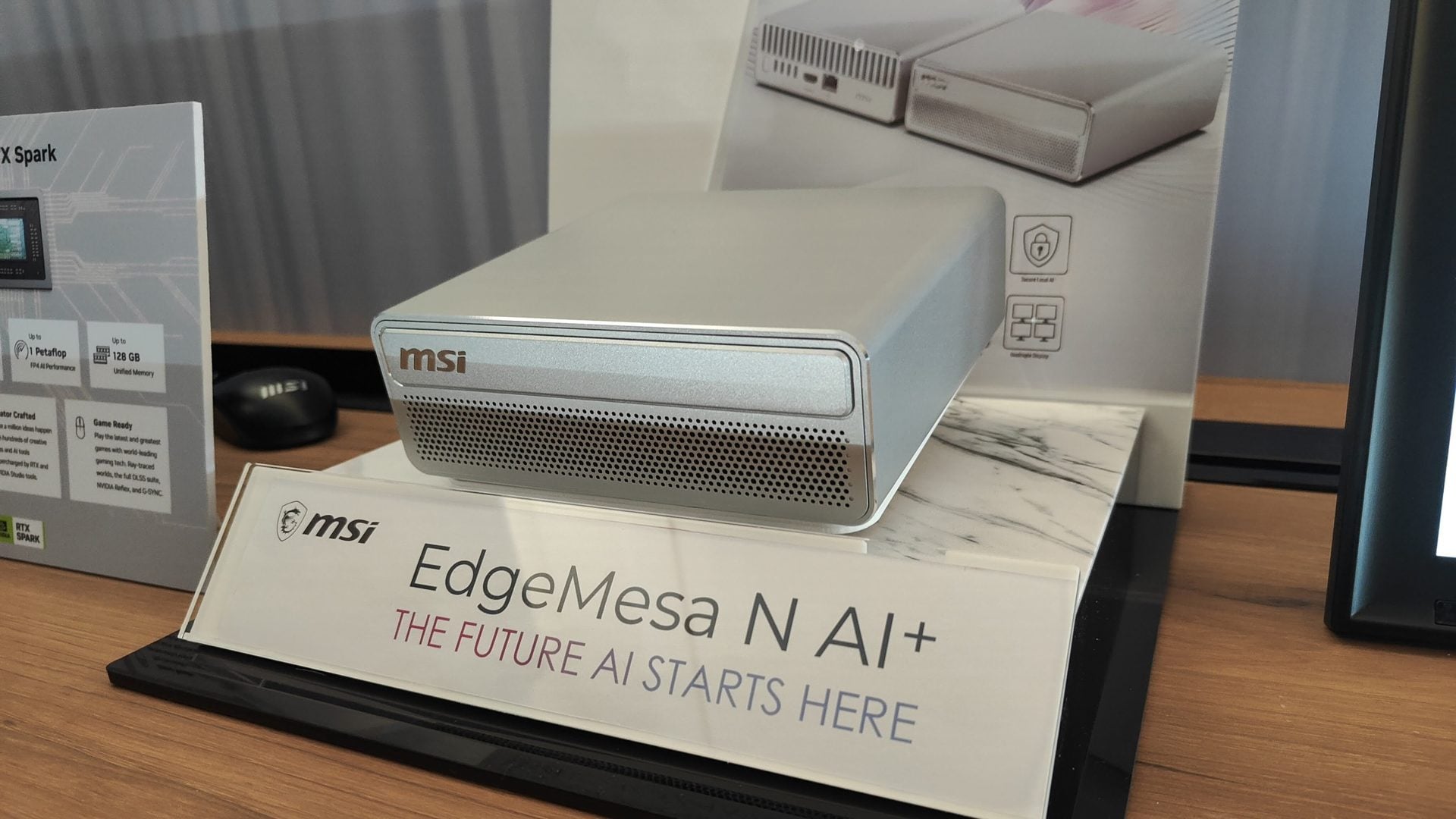
Nvidia has introduced a new generation of compact AI computers powered by its RTX Spark platform, offering up to 128GB of unified memory and enough processing power to run large artificial intelligence models locally.
The new mini PCs are designed for developers, researchers, and professionals who need substantial AI computing capabilities without relying entirely on remote cloud infrastructure.
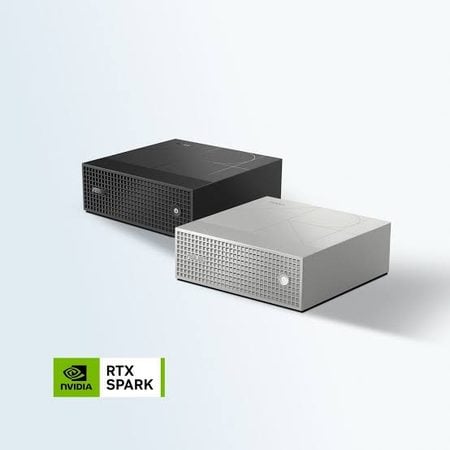
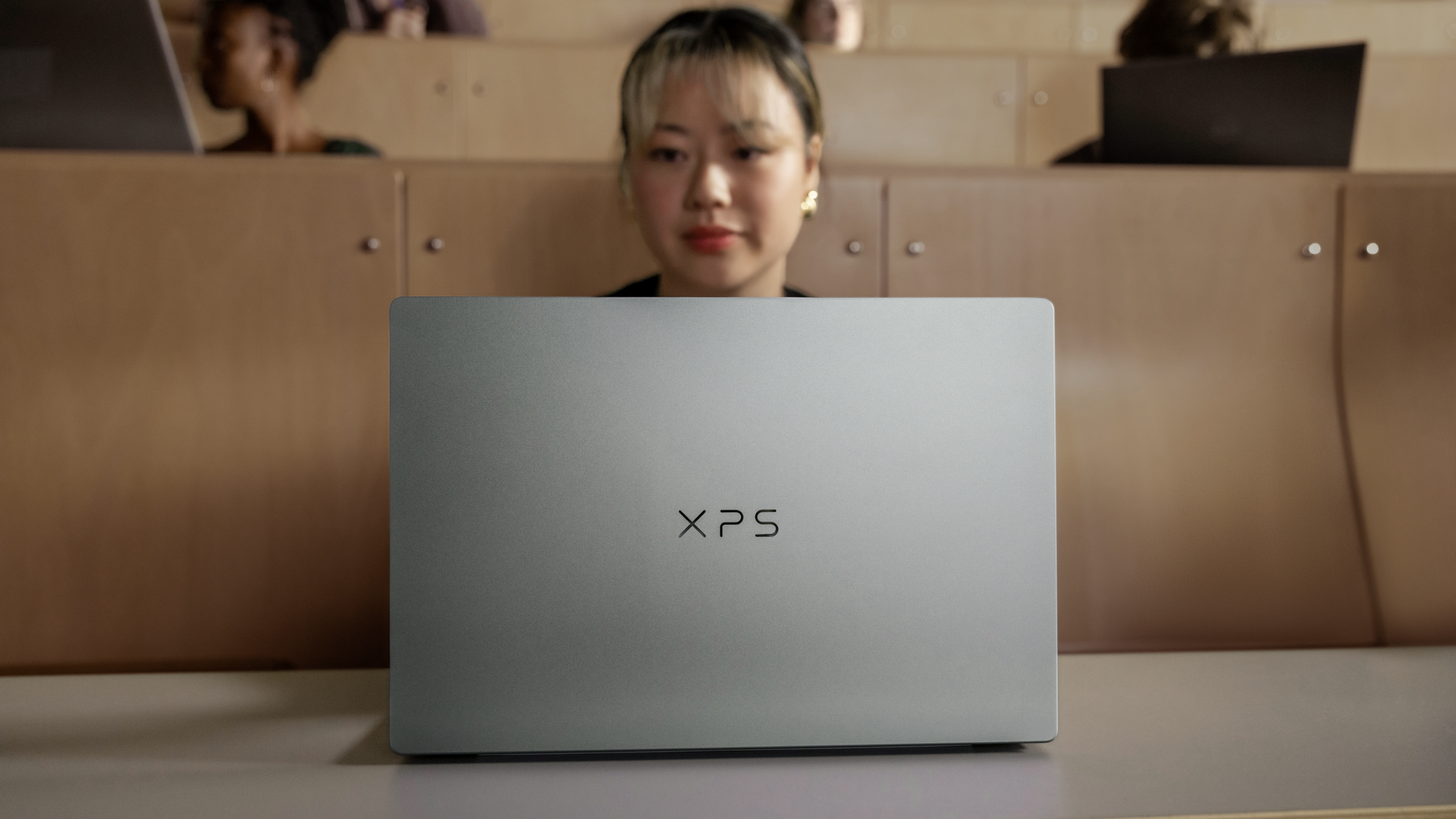
Manufacturers including Asus, Dell, and MSI have already introduced RTX Spark systems, while Acer, Gigabyte, and HP are preparing additional models. Microsoft is also expected to introduce a developer focused computer based on the platform.
According to Nvidia, RTX Spark systems can deliver up to one petaflop of AI processing performance and support language models containing as many as 120 billion parameters.
However, the hardware comes at a premium price. Asus has introduced its ProArt GR1X mini PC with a starting price of $4,499, placing it well above conventional desktop computers.
Nvidia RTX Spark Combines Grace CPU and Blackwell GPU Architecture
The RTX Spark platform combines Nvidia's Grace processor architecture with a graphics processor based on its Blackwell architecture.
The CPU features 20 processing cores, while the GPU includes 6,144 CUDA cores designed to accelerate parallel computing workloads.
This combination allows the system to handle both conventional processing tasks and demanding AI operations within a compact desktop design.
Nvidia advertises up to one petaflop of AI performance, although actual processing speeds will depend on the model, numerical precision, software configuration, and workload.
The platform also features up to 128GB of unified memory.
Unlike traditional desktop systems that use separate pools of system RAM and graphics memory, unified memory architectures allow the CPU and GPU to access a shared memory space.
This can be particularly useful when running AI models that require substantial memory capacity.
For example, large language models often need tens of gigabytes of memory to store their parameters and process information efficiently.
The available memory capacity can therefore be as important as the raw processing performance of the GPU.
RTX Spark Can Run 120 Billion Parameter AI Models Locally
One of the platform's major capabilities is its support for large language models containing up to 120 billion parameters.
These models can perform tasks such as text generation, document analysis, summarization, and software development assistance.
Running them locally gives developers more control over their computing environment.
Instead of sending every request to a remote AI service, compatible workloads can be processed directly on the computer.
This approach may be useful for organizations working with confidential information or developers experimenting with custom AI models.
Local processing can also reduce dependence on usage based cloud services, where costs may increase with the number of requests or tokens processed.
However, running a model locally does not eliminate every operating expense.
The computer still consumes electricity, requires software maintenance, and may need additional storage or other resources.
Performance will also depend on how the AI model is configured, including its numerical precision and memory requirements.
Consequently, support for a 120 billion parameter model should not be interpreted as a guarantee that every model of that size will operate at the same speed.
Asus, Dell, and MSI Begin Selling RTX Spark Mini PCs
Several major PC manufacturers are participating in Nvidia's RTX Spark ecosystem.
Asus, Dell, and MSI have already introduced systems using the platform, with additional products expected from Acer, Gigabyte, and HP.
Microsoft is also preparing a developer oriented computer based on the technology.
The initial systems target customers who need local AI acceleration in a smaller form factor than conventional workstation towers or data center servers.
Asus's ProArt GR1X is among the first examples, with a reported starting price of $4,499.
That cost reflects the platform's positioning as specialized computing hardware rather than an entry level mini PC.
The current announcement does not provide complete pricing and configuration details for every manufacturer's model.
RTX Spark platform specifications
| Feature | Specification |
|---|---|
| Processor | Nvidia Grace CPU |
| CPU cores | 20 |
| GPU architecture | Nvidia Blackwell |
| CUDA cores | 6,144 |
| Unified memory | Up to 128GB |
| Advertised AI performance | Up to 1 petaflop |
| Supported AI model size | Up to 120 billion parameters |
| Manufacturers | Asus, Dell, MSI, Acer, Gigabyte, HP |
| Example starting price | Asus ProArt GR1X at $4,499 |
The specifications represent Nvidia's platform capabilities, and individual products may differ in their configurations.
Nvidia Targets AI Development, Image Generation, and Video Editing
RTX Spark is designed to support a range of professional and creative workloads.
Beyond running language models, the hardware can accelerate applications involving image generation, data processing, and video production.
Nvidia is also positioning the platform for developers who use its AI software libraries and development tools.
The new mini PCs run Windows and support Nvidia's development ecosystem, allowing them to be used for both traditional desktop activities and specialized computing tasks.
Creative applications such as Adobe Photoshop, Premiere, and Blender are among the programs that can benefit from compatible GPU acceleration.
However, the improvement in individual applications will depend on how effectively their features use the available hardware.
A faster AI processor does not necessarily improve every task within a creative application.
For example, workloads involving AI powered effects or computationally demanding rendering may benefit more than basic document editing or ordinary desktop operations.
RTX Spark Offers an Alternative to Cloud AI Computing
The introduction of RTX Spark reflects growing demand for computers capable of running advanced AI workloads without requiring dedicated server infrastructure.
Cloud computing remains important for large scale training and deployment, particularly when workloads exceed the capabilities of individual systems.
However, some developers prefer local hardware for experimentation, testing, and repeated model execution.
A compact AI workstation can provide greater control over software configurations and reduce reliance on external services.
It may also be useful when internet connectivity is limited or when data handling requirements make remote processing less convenient.
The main disadvantage is the initial hardware investment.
With systems such as the Asus ProArt GR1X starting at $4,499, RTX Spark computers are considerably more expensive than ordinary mini PCs designed for office work or entertainment.
Buyers must therefore consider whether their workloads justify the additional computing capacity.
For occasional AI use, cloud services may remain more economical. Developers running demanding models regularly may find dedicated local hardware more practical.
RTX Spark Expands Nvidia's Presence in Compact AI Computers
Nvidia's RTX Spark platform introduces high memory capacity and specialized AI acceleration into a compact PC category traditionally associated with everyday computing.
The combination of a 20 core Grace processor, Blackwell GPU, and up to 128GB of unified memory allows supported models to run locally without requiring a conventional server installation.
The arrival of systems from multiple manufacturers should also create more choices for developers and businesses interested in local AI computing.
However, pricing remains a significant consideration, and real world performance will need to be evaluated across different applications and model configurations.
As Acer, Gigabyte, HP, and Microsoft introduce their planned systems, the RTX Spark ecosystem is expected to offer additional hardware options.
For now, the platform represents Nvidia's latest effort to make advanced AI computing available in smaller desktop systems, with a clear emphasis on professional workloads rather than conventional consumer PC usage.
Discussion (0)
Be the first to comment.