



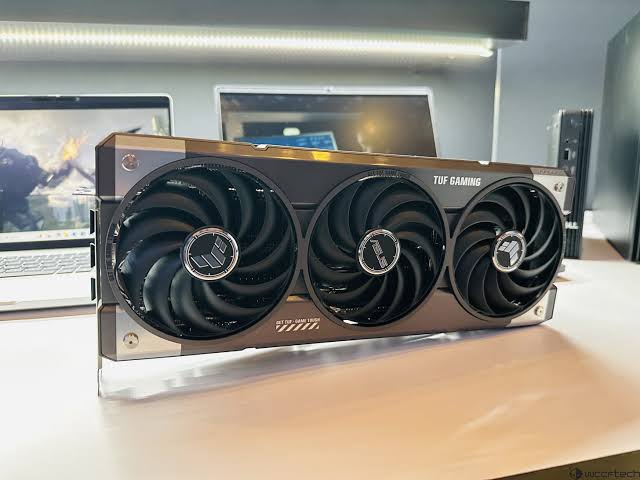
NVIDIA’s RTX PRO 6000 Blackwell has reached a new official price of $16,000, nearly twice its original launch level as ongoing memory shortages continue to push up the cost of high capacity GPUs.
The professional graphics card launched at around $8,000 and was already selling above $13,000 roughly two months ago. Its latest $16,000 listing marks another substantial increase for one of NVIDIA’s most capable workstation GPUs.
The RTX PRO 6000 Blackwell is aimed at professional workloads including AI development, content creation and workstation computing. Its most notable feature is 96GB of GDDR7 memory, three times the capacity of the GeForce RTX 5090.
RTX PRO 6000 Blackwell price increase
| Detail | Figure |
|---|---|
| Original launch price | Around $8,000 |
| Price around two months ago | Above $13,000 |
| Current official price | $16,000 |
| Approximate increase from launch | Nearly 100% |
| Memory capacity | 96GB GDDR7 |
| Target market | Professional and AI workstations |
The new price is not limited to an isolated third party reseller. NVIDIA itself is listing the RTX PRO 6000 Blackwell at $16,000, with the same pricing also reflected through PNY, one of the main partners for NVIDIA’s professional graphics products.
96GB of GDDR7 makes the card especially exposed to memory prices
The RTX PRO 6000 Blackwell carries far more memory than a typical gaming GPU.
Its 96GB framebuffer is a major reason the card is useful for AI models, professional visualization and workloads that need large amounts of local GPU memory.
That capacity also makes it more sensitive to rising DRAM costs.
Memory shortages have already affected consumer graphics cards, with the GeForce RTX 5090 cited at prices close to $4,500 compared with its original $1,999 MSRP.
The RTX 5090 carries 32GB of memory, while the RTX PRO 6000 triples that capacity.
As high end GDDR7 becomes more expensive, a workstation card using 96GB can face a much larger increase in total component cost.
RTX PRO 6000 also uses a higher end Blackwell configuration
The RTX PRO 6000 Blackwell is not simply an RTX 5090 with more memory.
It uses a higher specification Blackwell GPU configuration and is designed for workstation applications rather than gaming.
That combination of a larger GPU and 96GB of GDDR7 makes it one of NVIDIA’s most capable professional desktop cards.
For AI developers, the large memory pool can be especially important because it allows bigger models and datasets to remain on the GPU instead of relying as heavily on slower system memory or multi GPU configurations.
That advantage has helped make high capacity professional GPUs increasingly important as local AI workloads become more demanding.
Memory shortages are affecting professional and gaming GPUs
The latest increase is part of a wider trend across the graphics market.
AMD Radeon RX 9000 cards have also seen rising prices, while multiple NVIDIA GeForce RTX 50 series models are selling well above their original launch figures.
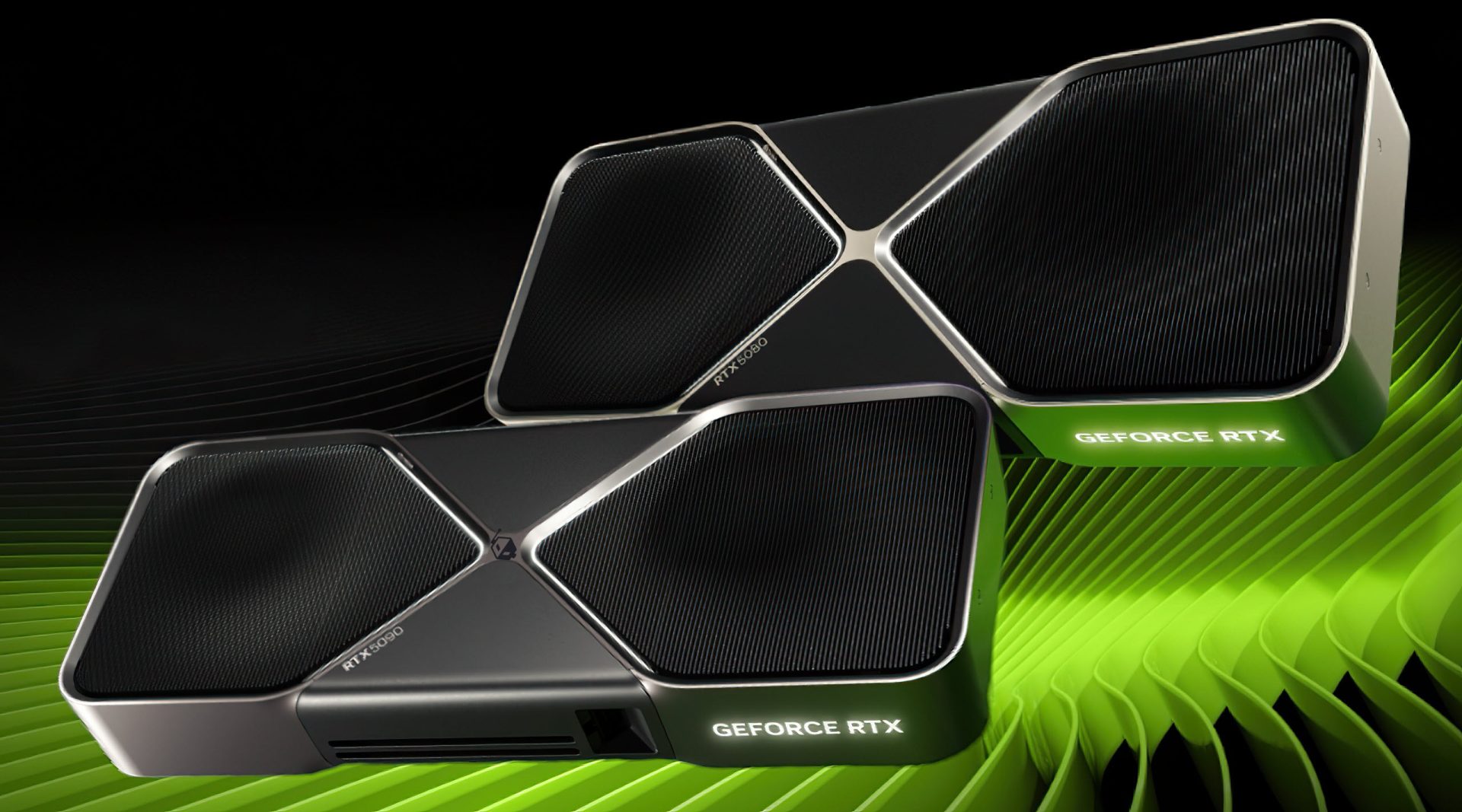
The pressure is linked to broader shortages in the memory market, where demand from AI infrastructure and other high value products is competing for available DRAM capacity.
Professional cards can be particularly vulnerable because they often use significantly more memory than consumer GPUs.
The RTX PRO 6000 Blackwell is an extreme example with its 96GB configuration.
The $20,000 level is possible if shortages continue
The current $16,000 price already puts the RTX PRO 6000 close to twice its original cost.
If memory prices continue rising over the coming quarters, the card could move even higher.
A price above $20,000 would represent another 25 percent increase from today’s listing, although that remains a possibility rather than a confirmed future price.
Memory manufacturers have warned that supply pressure could continue for an extended period, which means professional GPUs may remain expensive even if demand stays strong.
For businesses and developers that specifically need 96GB of local GPU memory, the RTX PRO 6000 Blackwell still fills a relatively specialized role.
The problem is that the cost of accessing that capacity has changed dramatically.
At $16,000, NVIDIA’s flagship Blackwell workstation card is now approaching double its original price, showing how severely current memory conditions are affecting even the highest end professional GPU market.



Discussion (0)
Be the first to comment.