


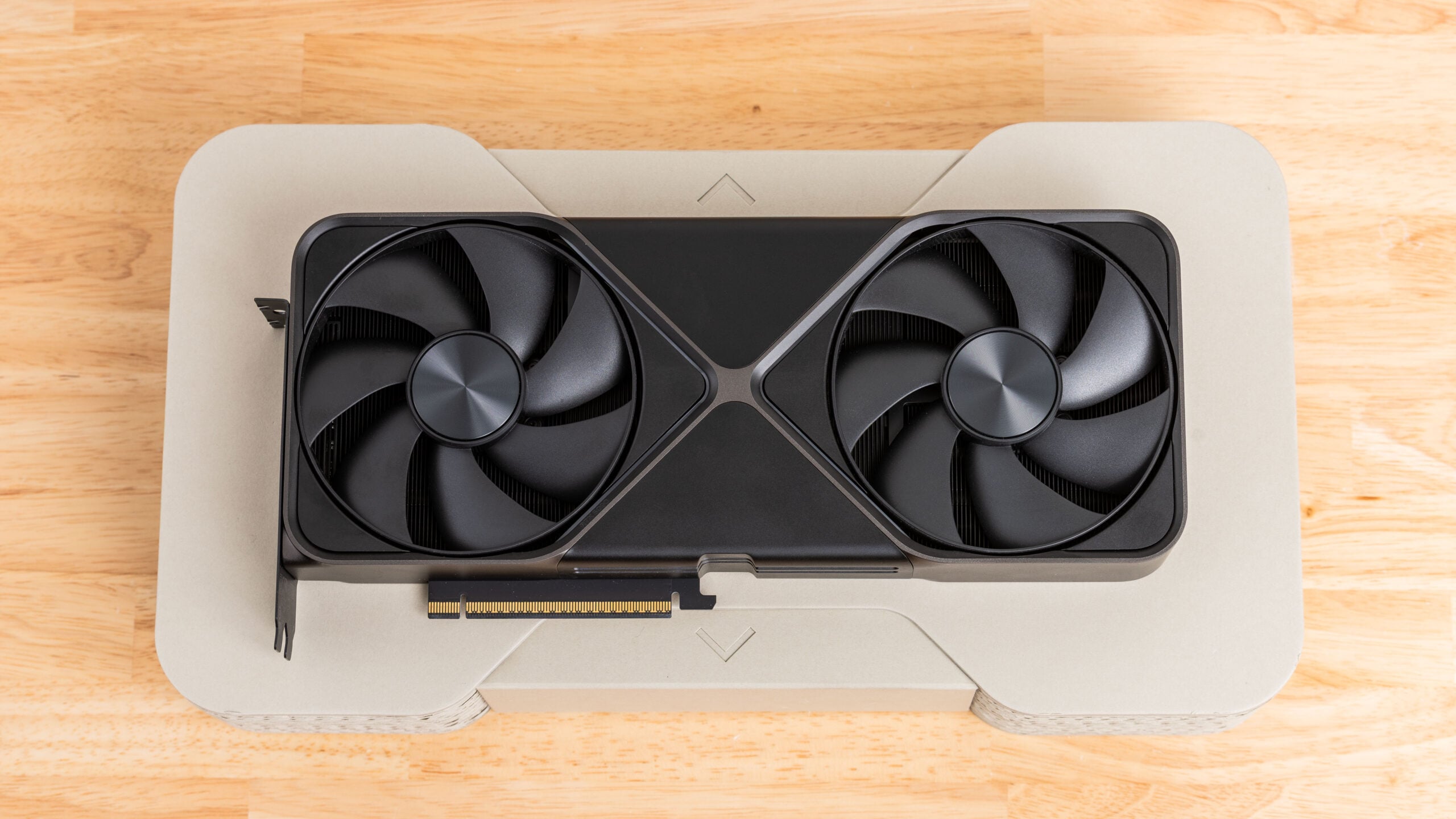
NVIDIA's GeForce RTX 50 series graphics cards have experienced major price increases throughout 2026, with the flagship RTX 5090 reaching approximately $9,400 in the United States.
The RTX 5090 originally launched with a suggested retail price of $1,999, but recent market tracking indicates that its selling price has climbed roughly 370% above MSRP.
Other graphics cards in the Blackwell lineup have also become significantly more expensive, with rising memory costs, component shortages, and limited availability contributing to the increases.
The latest figures show that the pricing problem extends across NVIDIA's entire RTX 50 series, including entry level models.
RTX 5090 and RTX 5080 Record the Largest Price Increases
The RTX 5090 has experienced the most severe increase, with its average global price reportedly reaching 262% above MSRP.
In October alone, prices increased by approximately 36% in the United States. Germany, Australia, the Philippines, and the Netherlands recorded monthly increases exceeding 40%.
Reports suggesting reduced availability or possible discontinuation have added uncertainty, although NVIDIA has not confirmed that production has ended.
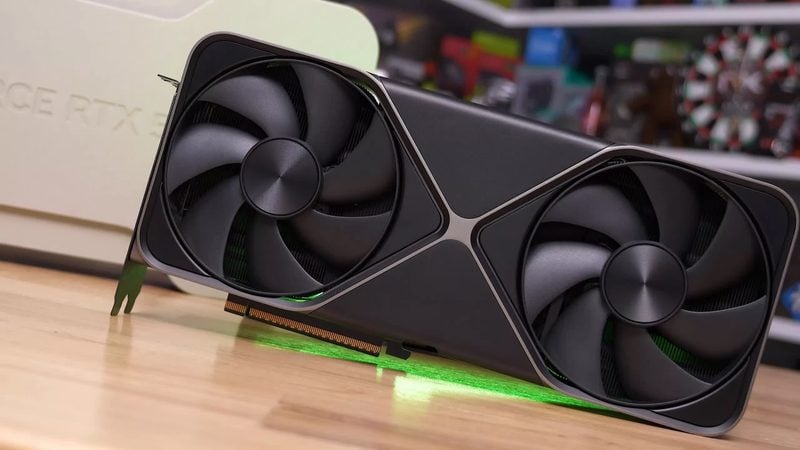
The RTX 5080 has also become considerably more expensive, reaching approximately $2,200 in the United States, or 120% above its original MSRP.
Meanwhile, the RTX 5070 Ti and RTX 5070 are selling at approximately 67% and 64% above their respective launch prices.
RTX 50 Series Prices in October 2026
| Graphics card | US price | Increase above MSRP |
|---|---|---|
| RTX 5090 | $9,400 | 370% |
| RTX 5080 | $2,200 | 120% |
| RTX 5070 Ti | Not specified | 67% |
| RTX 5070 | $900 | 64% |
| RTX 5060 Ti 16GB | Around $800 | 84% |
| RTX 5060 Ti 8GB | Around $530 | 40% |
| RTX 5060 | Not specified | 51% |
| RTX 5050 | $420 | 68% |
Prices are approximate reported US market figures and may vary between retailers.
Rising VRAM Costs Are Affecting Budget Graphics Cards
The RTX 5060 Ti 16GB has been particularly affected by higher memory costs, with prices approaching $800.
Its 8GB counterpart has experienced a smaller increase, highlighting the growing cost difference between cards with different memory capacities.
Even the RTX 5050, previously criticized for its value, has climbed from approximately $260 earlier this year to $420.
Higher memory and printed circuit board costs continue to place pressure on graphics card pricing.
Although Brazil has experienced comparatively smaller increases, most monitored markets have recorded substantial growth.
With component shortages continuing, there is little indication from these figures that RTX 50 series pricing will return to launch levels soon.

Discussion (0)
Be the first to comment.