



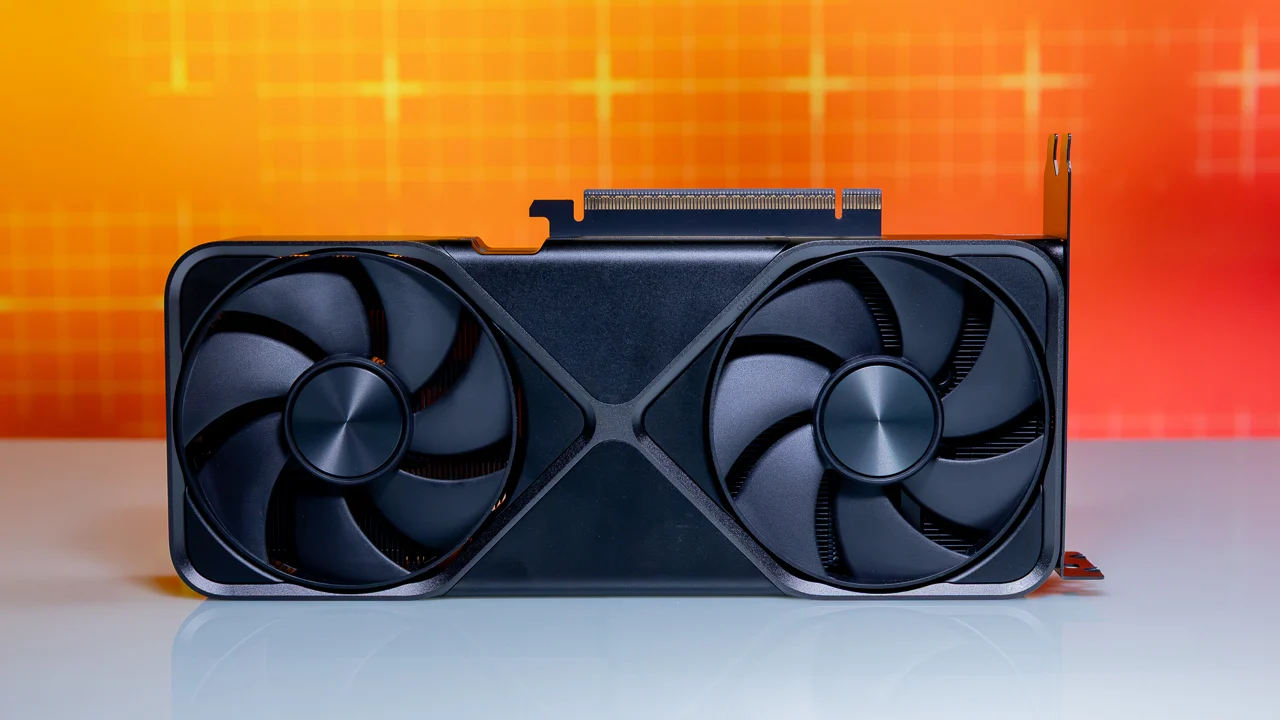
NVIDIA’s rumored GeForce RTX 5070 Ti SUPER is shaping up to be one of the more interesting cards in the expected RTX 50 SUPER refresh, mainly because of its memory upgrade. The card is not expected to be a major architectural change over the standard RTX 5070 Ti, but the reported move from 16GB to 24GB of GDDR7 could make it more useful for demanding games, creators, and local AI workloads.
The rumored specifications point to the same GB203 class GPU configuration as the RTX 5070 Ti, with 8,960 CUDA cores. That means the raw shader count may not change. The bigger difference is memory capacity, power budget, and likely higher clock speeds. The card is reportedly listed with a 350W total board power, up from 300W on the RTX 5070 Ti.
That extra 50W could allow NVIDIA and its board partners to push the GPU harder, but buyers should not expect a massive gaming uplift if the leaked specs are accurate. The card’s biggest strength would be handling situations where 16GB of VRAM starts to become a limit.
The 24GB memory upgrade is the main reason this card matters
The RTX 5070 Ti SUPER is expected to use 24GB of GDDR7 memory on a 256 bit bus. The memory speed is rumored to remain at 28Gbps, which means bandwidth would stay at 896GB per second, the same as the RTX 5070 Ti. In simple terms, this would be a capacity upgrade rather than a bandwidth upgrade.
That still matters. Modern games with 4K textures, heavy ray tracing, path tracing, large open worlds, high resolution mods, and background apps can benefit from more VRAM. For creators and local AI work, the difference can be even more meaningful. Video editing, 3D rendering, AI image generation, and local LLM use can depend heavily on memory capacity.
| Specification | RTX 5070 Ti SUPER rumored | RTX 5070 Ti |
|---|---|---|
| Architecture | Blackwell | Blackwell |
| GPU | GB203 class | GB203 |
| CUDA cores | 8,960 | 8,960 |
| Memory | 24GB GDDR7 | 16GB GDDR7 |
| Memory bus | 256 bit | 256 bit |
| Memory speed | 28Gbps | 28Gbps |
| Bandwidth | 896GB per second | 896GB per second |
| Total board power | 350W | 300W |
The larger memory pool is reportedly tied to 3GB, or 24Gbit, GDDR7 modules. These chips would allow NVIDIA to increase capacity across the RTX 50 SUPER lineup without major PCB or bus changes. That is also where the launch problem begins.
The RTX 50 SUPER refresh has reportedly faced shifting timelines because of GDDR7 supply constraints. Earlier rumors pointed to a 2026 launch window, but newer reports suggest the lineup may have moved closer to late 2026 or CES 2027. NVIDIA has not officially announced the card, so all pricing and launch details remain unconfirmed.
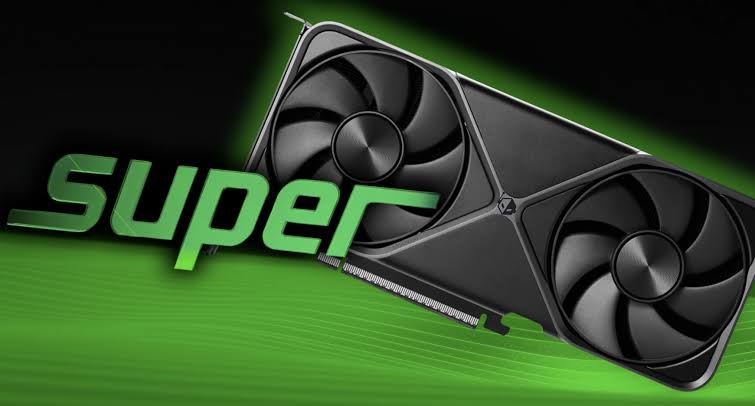
Pricing could also become a difficult point. The standard RTX 5070 Ti launched at $749, but a 24GB SUPER model may not keep the same price if GDDR7 supply remains tight. NVIDIA will also need to avoid placing it too close to higher tier cards, because the GPU core itself does not appear to be a large upgrade.
For gamers, the RTX 5070 Ti SUPER may be best viewed as a more future ready version of the RTX 5070 Ti. It may not transform performance in every game, but it could age better in memory heavy titles. For creators and AI users, the 24GB VRAM figure is the real attraction.
The card looks strong on paper, but its value will depend on three things: launch timing, actual pricing, and whether the extra memory arrives without a painful premium.


Discussion (0)
Be the first to comment.