



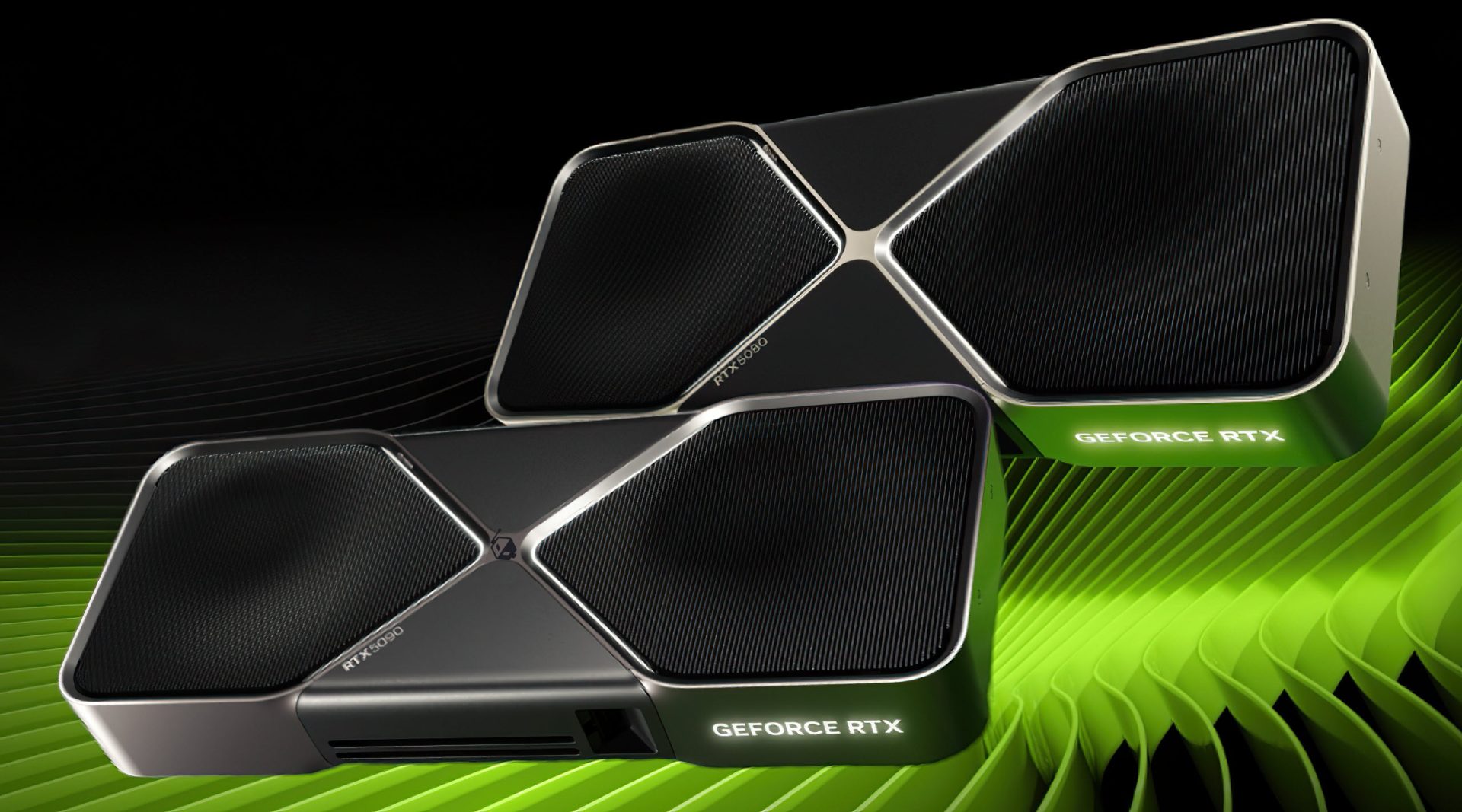
NVIDIA’s GeForce RTX 5060 Ti 16GB has seen one of the sharpest price increases in the RTX 50 series, with its median US price reaching about $805 in August 2026.
That puts the card roughly 88 percent above its original launch MSRP. The increase is also substantial compared with June, when the median price was about $570.
Other RTX 50 series models have also moved higher, but the RTX 5060 Ti 16GB stands out because it sits in a part of the market that traditionally targets mainstream and upper midrange buyers.
RTX 50 series median prices in August 2026
| GPU | June median | August median | Change since June | Above MSRP |
|---|---|---|---|---|
| RTX 5050 | $299.99 | $314.99 | 5% | 27% |
| RTX 5060 | $369.99 | $469.99 | 27% | 57% |
| RTX 5060 Ti 8GB | $469.99 | $529.99 | 13% | 40% |
| RTX 5060 Ti 16GB | $569.99 | $804.99 | 39% | 88% |
| RTX 5070 | $659.99 | $899.99 | 36% | 64% |
| RTX 5070 Ti | $1,099.99 | $1,099.99 | 0% | 47% |
| RTX 5080 | $1,461.99 | $1,499.99 | 3% | 50% |
| RTX 5090 | $4,299.99 | $4,699.99 | 9% | 135% |
The figures show that several midrange cards have experienced larger percentage increases over the last two months than some of NVIDIA’s more expensive models.
RTX 5060 Ti 16GB sees the largest two month increase
The RTX 5060 Ti 16GB rose from about $570 in June to roughly $805 in August.
That represents a 39 percent increase in just two months.
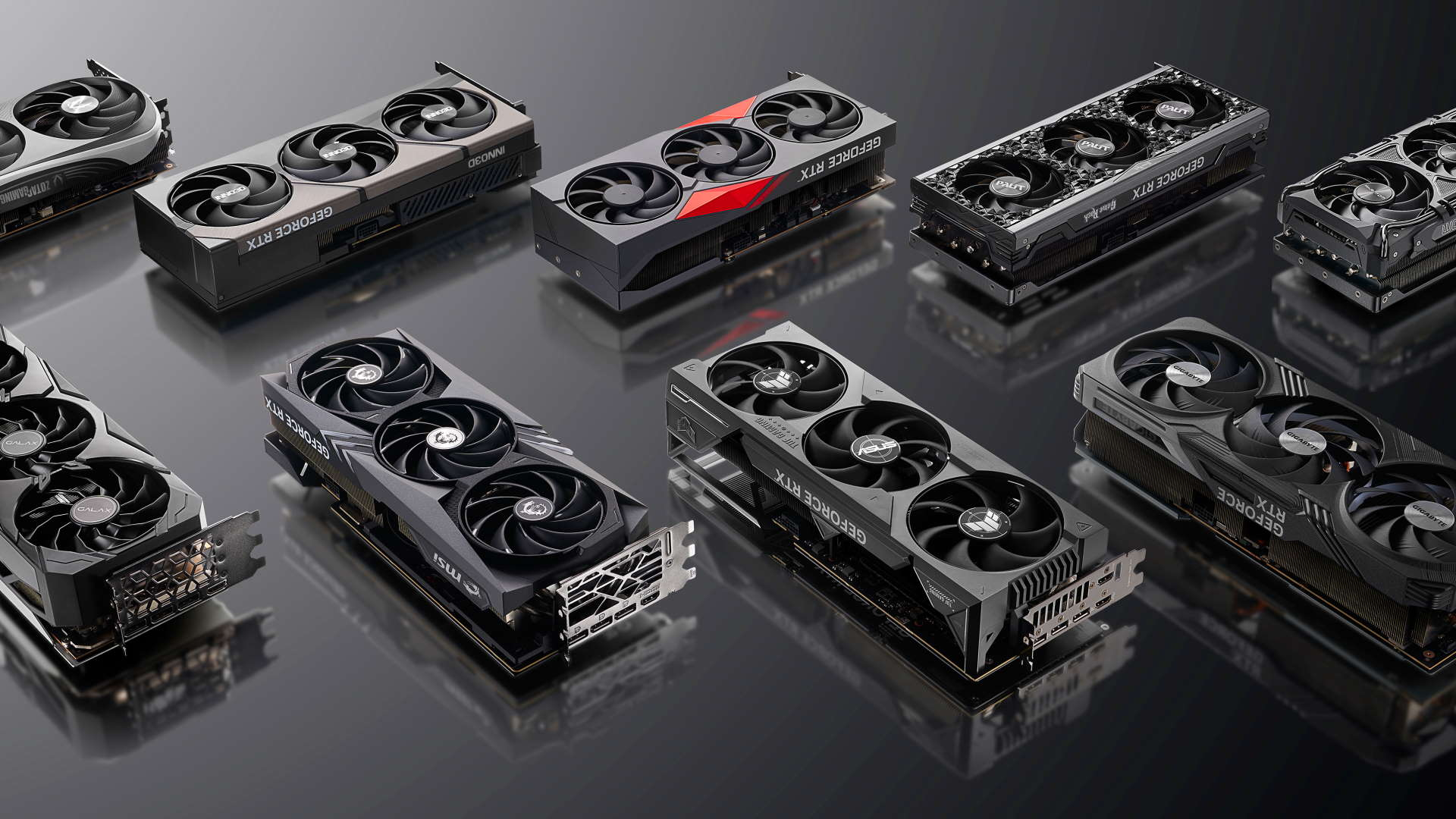
It is also nearly double the card’s original launch MSRP, which makes the current pricing difficult to reconcile with its intended market position.
The 8GB version has also become more expensive, but the increase is smaller. Its median price rose from about $470 to $530, leaving it around 40 percent above MSRP.
The 16GB model therefore carries a much larger premium, likely reflecting stronger demand for higher VRAM capacities during the current memory shortage.
RTX 5070 is approaching $900
The RTX 5070 has also moved sharply higher.
Its median price rose from about $660 in June to roughly $900 in August, an increase of 36 percent.
That leaves the card around 64 percent above its original MSRP.
The RTX 5060 has followed a similar pattern, climbing from about $370 to $470 in the same period.
Even NVIDIA’s least expensive RTX 50 series model is now above $300, despite launching at $249.
High end models remain expensive
The RTX 5090 still has the largest markup compared with MSRP.
Its median price is now around $4,700, about 135 percent above its original launch price.
The RTX 5080 is closer to $1,500, around 50 percent above MSRP, while the RTX 5070 Ti remains at roughly $1,100.
Although the RTX 5070 Ti did not increase between June and August in the supplied data, it is still substantially more expensive than its original MSRP.
Midrange GPUs are taking a bigger hit
The recent movement is particularly significant because cards such as the RTX 5060, RTX 5060 Ti and RTX 5070 are normally expected to make up a large part of mainstream gaming demand.
These models are more accessible than the RTX 5080 and RTX 5090, so higher demand can put more pressure on supply when inventory is limited.
The RTX 5060 Ti 16GB appears to be one of the clearest examples of this pressure.
Its higher memory capacity may also make it more sensitive to rising DRAM prices.
Memory shortages continue to affect GPU pricing
The wider RTX 50 series price increases are being linked to persistent memory shortages and higher component costs.
Board partners and retailers have already raised prices in several markets, while graphics memory has become more expensive across both consumer and professional GPUs.
The effect is visible throughout NVIDIA’s lineup.
Nearly every RTX 50 series model in the supplied pricing data is now well above MSRP, and some cards have moved significantly higher in only a few weeks.
For buyers, the RTX 5060 Ti 16GB is now one of the most heavily affected mainstream models. At a median price of about $805, it costs far more than its original positioning suggested and shows how quickly current memory pressure is reshaping GPU pricing.
Discussion (0)
Be the first to comment.