



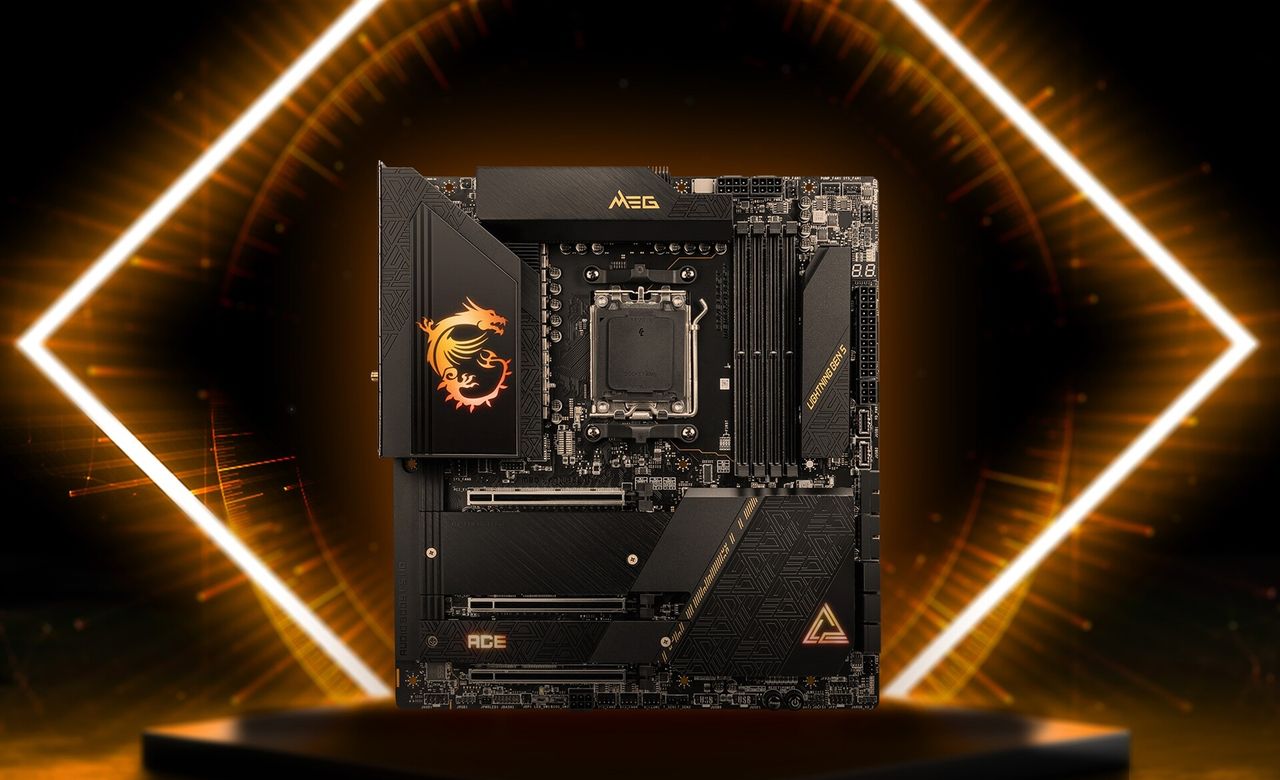
MSI is rolling out a new BIOS update for its AMD AM5 motherboards, bringing improved support for CXMT based DDR5 memory and restoring TSME security support for Ryzen 9000 processors. The update covers MSI’s AM5 800 series and 600 series motherboards, which means both newer and older Ryzen boards should benefit.
The BIOS is based on AMD’s AGESA PI 1.3.0.1b Patch A firmware. One of its main changes is optimized support for CXSH, also known as CXMT, memory chips. CXMT DDR5 has become more important in China’s domestic PC market as global memory supply remains tight and major DRAM makers focus more heavily on AI related products such as HBM and LPDDR5X.
MSI’s update is meant to improve compatibility and memory training for CXMT based kits. The company has already shown CXMT DDR5 running above 8000 MT/s on AM5 boards, which is a large step up from earlier speeds around 6800 MT/s. This matters because CXMT memory was previously viewed as a lower speed option, but recent BIOS work from motherboard makers is helping it move into higher performance territory.
Two DIMM boards should see the best gains, while four DIMM boards still have room to improve
MSI says support will vary depending on motherboard design. Two DIMM boards are expected to reach higher speeds more easily because they usually offer stronger memory signal quality. Four DIMM boards are more difficult to tune, but MSI’s own testing shows those boards can still support around 7200 MT/s with CXMT memory.
Future BIOS updates and better CXMT memory ICs could push those numbers higher. For now, the update gives AM5 owners a better chance of using Chinese DDR5 memory at competitive speeds, especially in regions where CXMT based kits are becoming more common.
| BIOS update feature | What it means for AM5 owners |
|---|---|
| AGESA PI 1.3.0.1b Patch A | Uses AMD’s latest firmware base |
| CXMT DDR5 optimization | Better support for Chinese DDR5 memory kits |
| Speeds above 8000 MT/s | Possible on stronger board and memory combinations |
| Four DIMM board support | Around 7200 MT/s shown in MSI testing |
| TSME restored | Ryzen 9000 owners can use automatic memory encryption again |
| Supported boards | MSI AM5 800 series and 600 series motherboards |
The second major part of the BIOS is TSME support. TSME stands for Transparent Memory Secure Encryption. It encrypts data stored in system RAM using a processor generated key during boot. Unlike regular software based security features, TSME works automatically once it is enabled in BIOS and does not require operating system control.
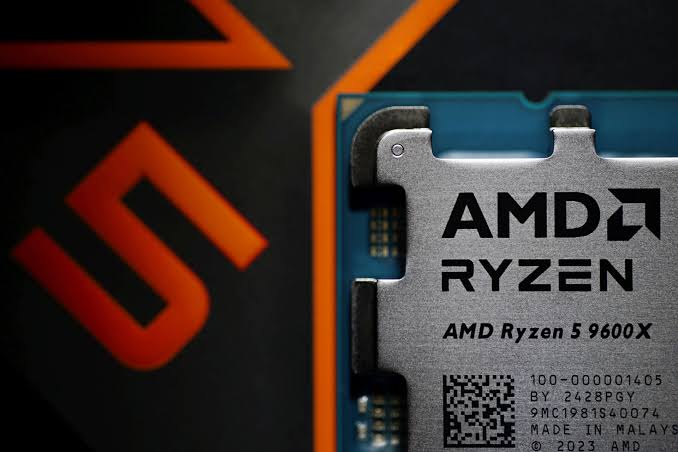
This feature had recently become a point of criticism after being limited to Ryzen PRO chips. AMD later decided to restore it for consumer Ryzen processors, including Ryzen 9000. MSI’s new BIOS brings that support back on its motherboards, following similar action from ASUS.
For everyday gaming systems, TSME may not feel like a major visible upgrade. For people who care about system security, workstation use, development machines, or sensitive local data, it is a useful hardware level feature to have available again.
The update also shows how quickly motherboard vendors are reacting to changes in the memory market. CXMT based DDR5 is gaining attention because of supply pressure from Samsung, Micron, and SK hynix. If those shortages continue, stronger BIOS support for alternative DRAM suppliers will become more important.
For MSI AM5 owners, this BIOS is useful for two reasons. It improves the chance of running CXMT DDR5 at higher speeds, and it restores an important Ryzen 9000 memory security feature. That makes it a practical update rather than a small compatibility patch.


Discussion (0)
Be the first to comment.