




The global PC market slipped in the second quarter of 2026 as memory shortages and rising component costs continued to pressure both vendors and buyers. According to IDC’s latest preliminary data, worldwide traditional PC shipments reached 68.2 million units in Q2 2026, down 4.9 percent from 71.7 million units in the same quarter last year.
The decline marks the first drop after nine quarters of growth, showing how quickly the market has changed. Demand has not disappeared, but higher prices are making new PCs harder to sell. Vendors are still raising revenue in some cases because price increases are moving faster than the decline in shipments. That means fewer PCs are being sold, but the average selling price is climbing.
Memory supply remains the biggest issue. DRAM and other memory products are being pulled toward AI servers and high value data center contracts, leaving consumer PC makers with tighter supply and higher costs. IDC expects the shortage to remain a problem until early 2028, which means the second half of 2026 and 2027 could stay difficult for the industry.
Apple grows while most major x86 PC brands decline
Apple was the only top five PC vendor to post clear growth in the quarter. The company shipped 6.7 million units, up 10.1 percent from 6.1 million units a year earlier. The MacBook Neo appears to have helped Apple maintain momentum despite higher component costs and broader pressure across the market.
Lenovo remained the largest PC vendor with 16.6 million units shipped, giving it a 24.4 percent market share. However, its shipments still fell 2.1 percent year over year. HP saw a sharper 9 percent decline, shipping 13 million units compared with 14.3 million units last year. Dell shipped 9.3 million units, down 5 percent, while ASUS stayed nearly flat at 5 million units.
| Company | Q2 2026 shipments | Q2 2026 market share | Year over year change |
|---|---|---|---|
| Lenovo | 16.6 million | 24.4 percent | Down 2.1 percent |
| HP | 13.0 million | 19.1 percent | Down 9.0 percent |
| Dell | 9.3 million | 13.6 percent | Down 5.0 percent |
| Apple | 6.7 million | 9.9 percent | Up 10.1 percent |
| ASUS | 5.0 million | 7.4 percent | Up 0.2 percent |
| Others | 17.5 million | 25.7 percent | Down 10.5 percent |
| Total market | 68.2 million | 100 percent | Down 4.9 percent |
The result puts pressure on x86 laptop makers. Companies such as Dell, HP, Lenovo, and ASUS have new budget and mainstream systems planned around Intel’s Wildcat Lake Core Series 3 chips, while AMD also has refreshed offerings aimed at value focused buyers. The problem is that many of these products are not yet widely available in retail channels, and prices have not fallen enough to create strong demand.
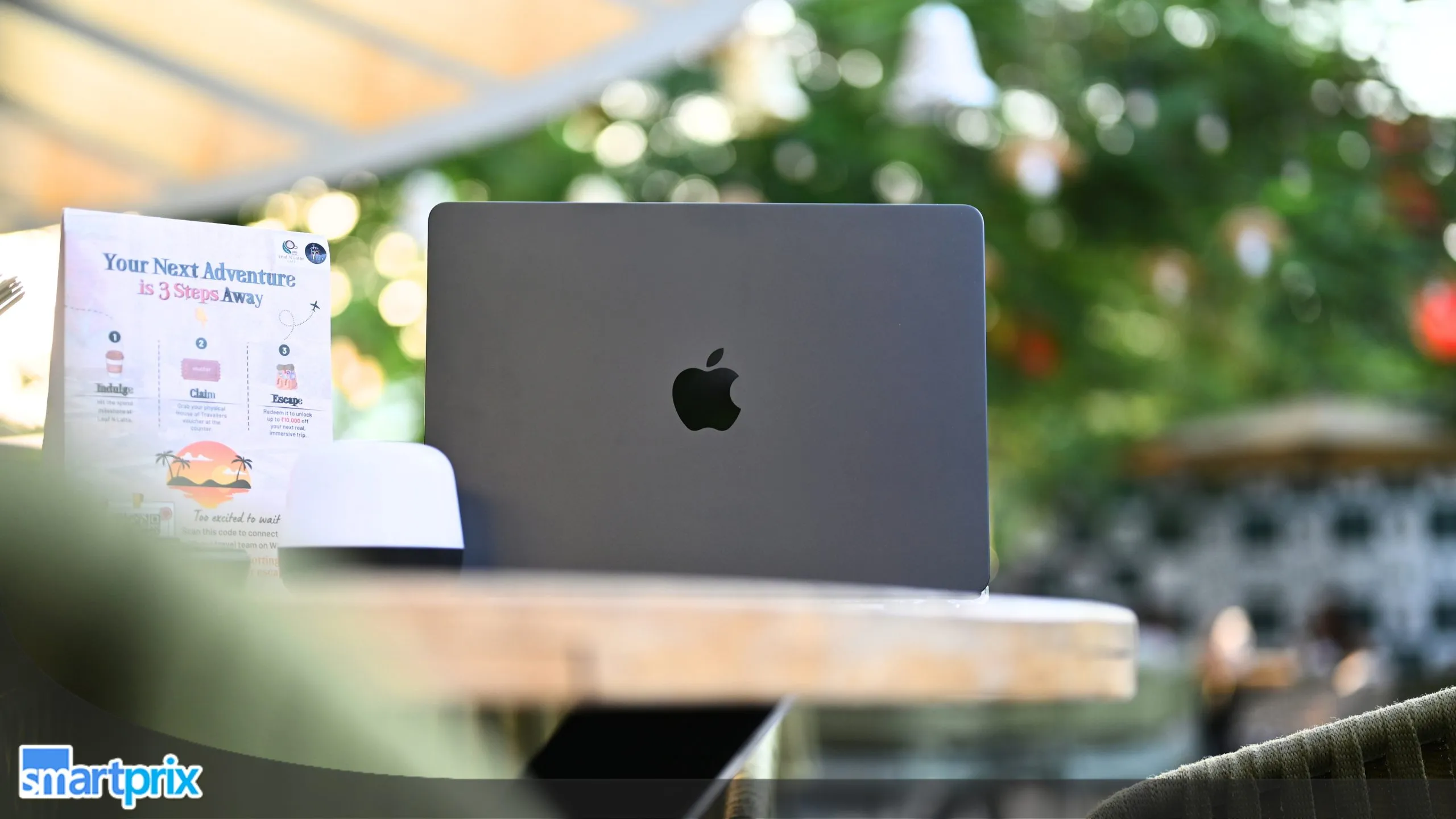
Apple’s performance shows that buyers will still respond when a product has clear appeal, even during a costlier cycle. The MacBook Neo reportedly saw strong retail interest despite its own price increase. That puts more pressure on Windows PC makers to improve availability, pricing, and messaging around their latest machines.
The challenge is not only hardware quality. Many current x86 chips are competitive, but vendors need stronger retail execution and clearer reasons for people to upgrade. Local AI processing could become one selling point, especially as cloud subscription costs rise, but that message has not yet created a broad refresh wave.
The PC market is now entering a tougher period. If memory shortages continue into 2028, vendors cannot simply wait for prices to normalize. They will need sharper product strategies, better supply planning, and more convincing value in the budget and mainstream segments. Otherwise, shipment declines could continue even as total revenue remains supported by higher prices.



Discussion (0)
Be the first to comment.