




PC motherboard makers may face a difficult 2026 as rising component prices and weak consumer demand put pressure on the DIY hardware market.
The main issue is simple. Building or upgrading a PC has become more expensive. Memory, graphics cards, storage, and even CPUs have seen price pressure as AI demand takes more supply away from consumer hardware. That has made many gamers and PC buyers less willing to upgrade right now.
Manufacturers are also shifting more production toward AI hardware. GPU makers are prioritizing AI accelerators, CPU companies are focusing more on AI related chips, and DRAM and NAND supply remains tight because data center demand continues to grow. That leaves the consumer PC market in a weaker position.
Motherboard shipments are expected to drop by several million units compared with last year. ASUS is reportedly trying to keep shipments above 10 million units after shipping around 15 million units last year. MSI and Gigabyte are also expected to see lower motherboard shipments, while ASRock may fall to about 2.7 million units from 4.3 million.
Here is the reported shipment picture:
| Company | Expected 2026 motherboard shipments | Previous year shipments | Change |
|---|---|---|---|
| ASUS | Around 10 million or slightly above | 15 million | Large decline |
| MSI | 8.4 million | 11 million | Down about 25% |
| Gigabyte | 8.5 million | 11.5 million | Down about 25% |
| ASRock | 2.7 million | 4.3 million | Down more than 30% |
The slowdown is not only about demand. Motherboard production costs are also rising, and prices may increase by 10 to 20 percent. Some vendors may respond by cutting certain features or reducing design complexity to protect margins.
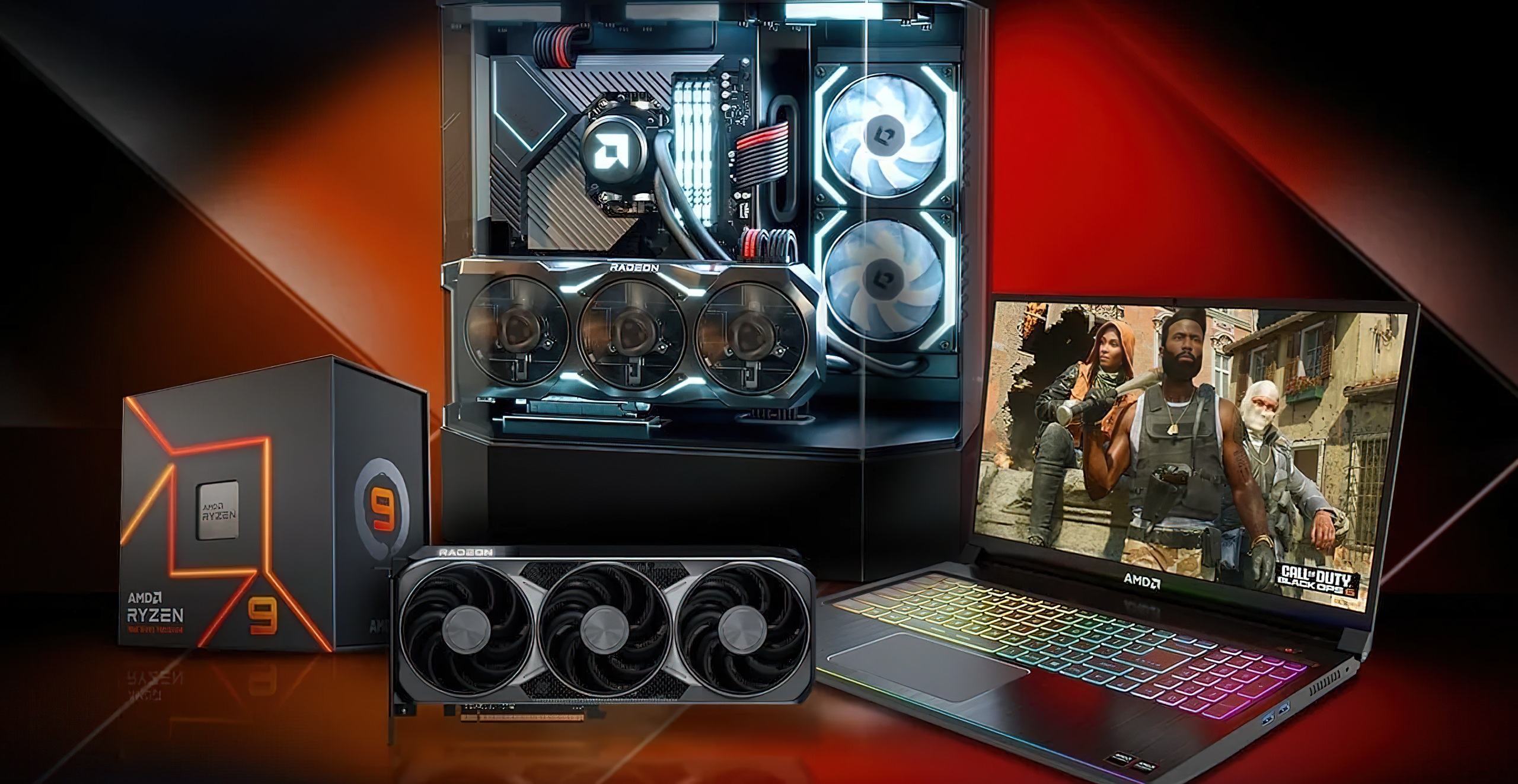
For PC builders, this could mean fewer attractive upgrade options, higher prices, and less value in mid range boards. It may also encourage more people to delay full system upgrades until GPU, RAM, and storage prices become more reasonable.
Still, the situation is different for the companies themselves. While consumer motherboard and graphics card sales may weaken, AI server demand is helping major hardware brands protect revenue and profit. ASUS, Gigabyte, and ASRock are expected to lean more heavily on AI related business as PC DIY demand slows.
The result is a split market. AI infrastructure is growing quickly, while the traditional consumer PC upgrade cycle is losing momentum. Unless component prices ease and new consumer hardware gives buyers a stronger reason to upgrade, motherboard makers may have to depend more on AI servers than gaming and DIY PC sales in 2026.


Discussion (0)
Be the first to comment.