



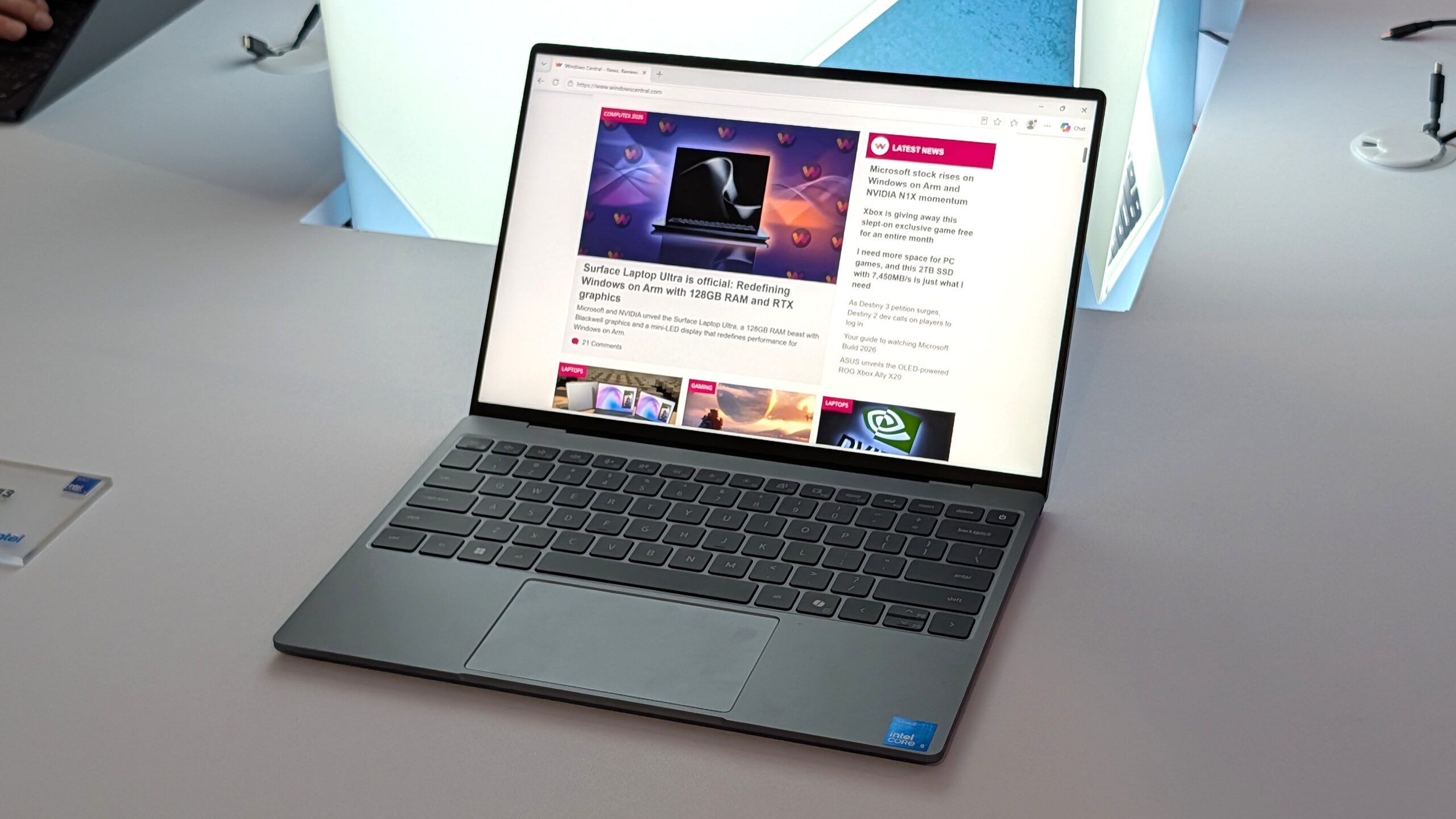
Microsoft does not currently believe its Surface lineup needs a direct competitor to Apple's MacBook Neo, arguing that Windows PC manufacturers are already serving the lower priced laptop market.
Surface CVP Brett Ostrum said Microsoft has deliberately chosen not to enter every PC category with its own hardware. He compared the situation with gaming PCs, where Microsoft has historically relied on Windows hardware partners instead of creating a Surface gaming machine.
The same thinking is now being applied to more affordable laptops.
| Detail | Microsoft's current position |
|---|---|
| MacBook Neo competitor | No Surface model currently planned |
| Main reason | Windows OEMs already serve the segment |
| Surface focus | Premium hardware |
| Current entry level Surface tier | Starts above $1,000 |
| Previous affordable Surface devices | Surface Go and Surface Laptop Go |
| Next Surface announcement | Surface Laptop Ultra on October 7 |
Microsoft is leaving lower priced laptops to its partners
Ostrum explained that Microsoft knew about MacBook Neo before it was publicly introduced and had already considered whether Surface needed to respond directly.
The company ultimately decided that it did not.
His reasoning is that Windows hardware partners are already offering machines in the same general price range, removing the need for Microsoft to compete with them through Surface.
Ostrum used gaming PCs as an example. Microsoft has never launched a Surface gaming PC because companies building Windows gaming systems already meet that demand.
He said the same logic applies to the MacBook Neo segment.
According to him, Surface does not need to participate in every part of the PC market.
Microsoft has heard requests for a cheaper Surface
That does not mean Microsoft is ignoring demand for a lower priced Surface device.
Ostrum said the company has received feedback from the media, retailers, and hardware partners saying Surface should compete in this category.
Microsoft plans to consider those requests.
His comments leave open the possibility of a cheaper Surface PC appearing in the future, but there is no indication that such a product is currently ready for launch.
For now, the company appears comfortable letting Windows OEMs compete with MacBook Neo.
Surface is moving further toward premium hardware
Microsoft's current Surface strategy is focused more heavily on premium devices.
According to the report, the company now internally views the Surface PC lineup across three categories: Entry Premium, Premium, and Ultra Premium.
Even the Entry Premium category begins above $1,000.
That represents a significant change from earlier Surface generations.
Microsoft previously sold more affordable devices including the Surface Go and Surface Laptop Go, both of which started at prices below $600.
Those systems gave buyers a lower cost entry point into Microsoft's own hardware ecosystem.
The current Surface leadership has moved away from that approach.
Component shortages also changed Surface pricing
The shift happened alongside higher component costs and shortages that pushed prices upward.
The report notes that the cheaper Surface Go and Surface Laptop Go models came from an earlier period under different Surface leadership.
Microsoft's current strategy puts more emphasis on higher end hardware rather than trying to cover every price tier.
That means buyers looking for inexpensive Windows laptops are increasingly expected to choose systems from Microsoft's manufacturing partners instead.
Dell and Asus are already filling the gap
The report points to systems such as the Dell XPS 13 and Asus ZenBook 14 as examples of Windows laptops competing around the same price as MacBook Neo.
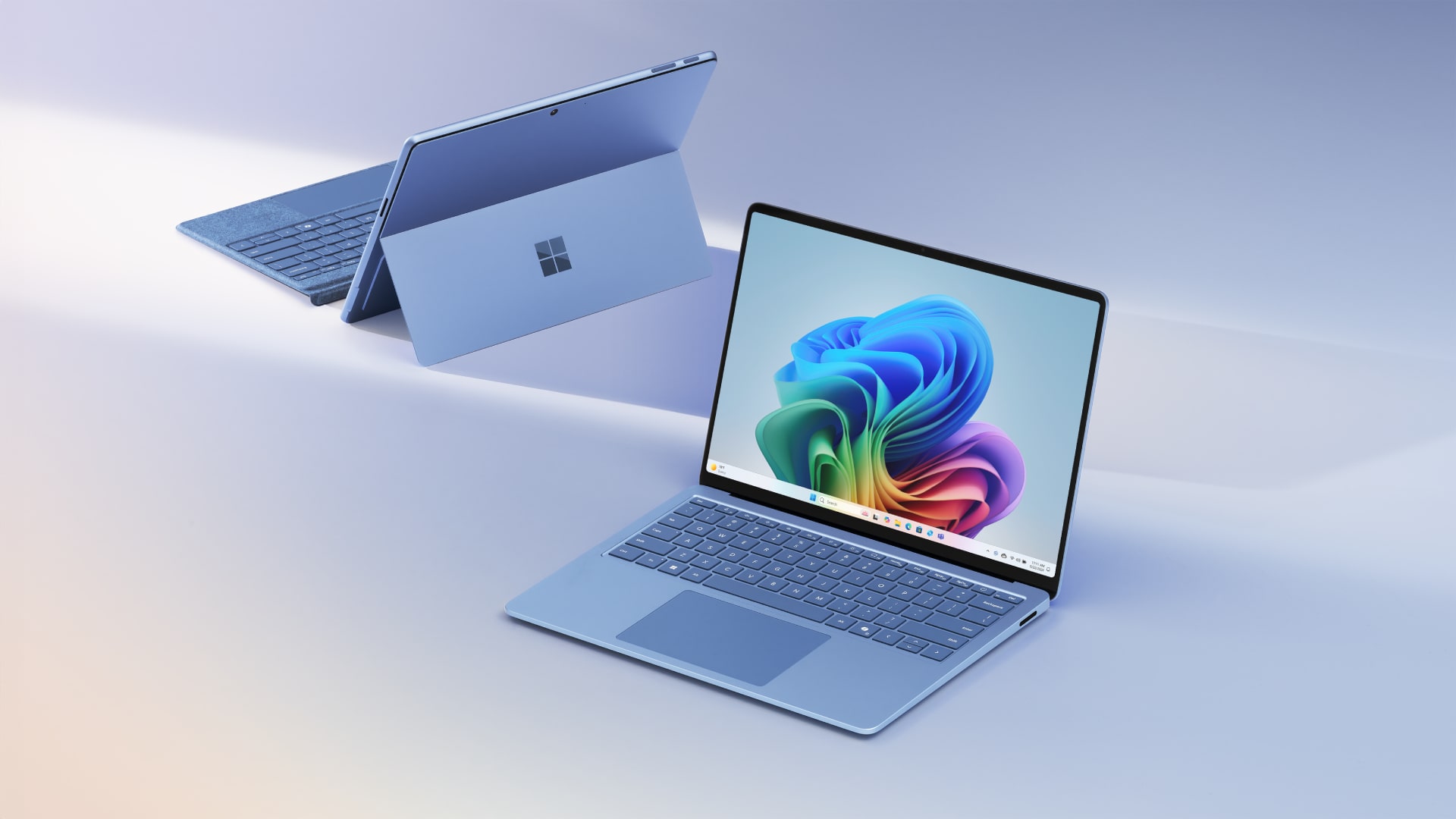
The Dell XPS 13 is cited at $799.
Microsoft sees devices like these as evidence that Windows customers already have alternatives without requiring a Surface branded model.
That approach also reduces the risk of Microsoft competing too directly with the companies that build most Windows PCs.
Surface Laptop Ultra remains the current priority
Microsoft's attention is instead centered on higher end products such as the Surface Laptop Ultra.
More information about that system is expected on October 7.
The company's comments suggest Surface will continue to act as a premium hardware brand for the near future.
A lower cost model is not completely ruled out, particularly because Microsoft acknowledges the feedback it has received, but the company currently sees little reason to enter a market where its Windows partners are already active.
For now, anyone looking for a MacBook Neo alternative is more likely to find it from Dell, Asus, or another Windows manufacturer than from Microsoft itself.

Discussion (0)
Be the first to comment.