



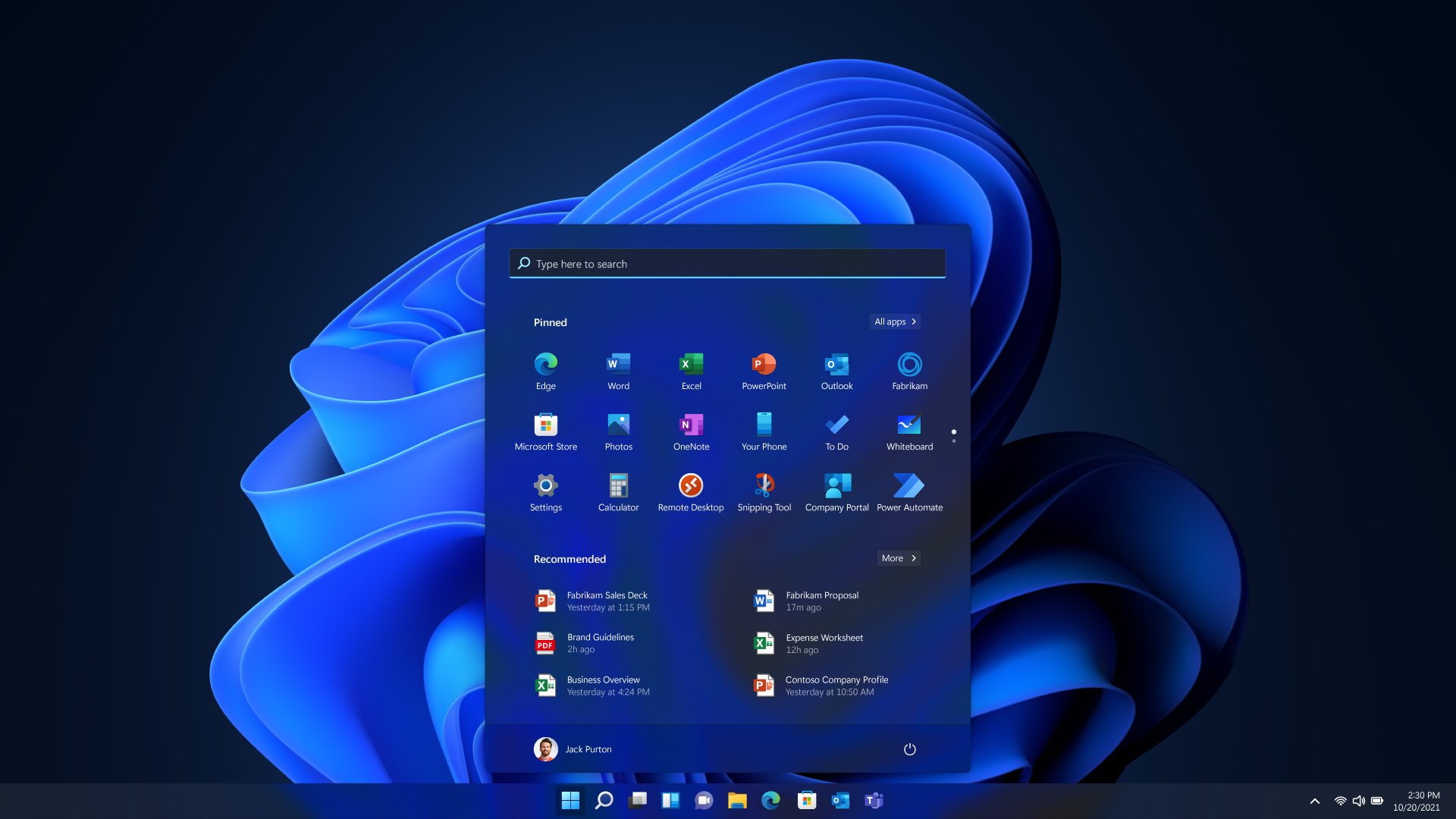
Microsoft has started work on reducing the memory used by Windows 11 as more affordable laptops and desktops return to 8GB configurations.
The company says it is expanding its efforts to improve operating system performance, with a particular focus on devices equipped with 8GB of RAM or more. The changes are expected to reduce the Windows 11 memory footprint and leave more capacity available for applications, web browsers, and background tasks.
Windows 11 officially requires only 4GB of RAM, but that amount is rarely enough for a comfortable modern computing experience. Systems with 8GB can handle basic work, although performance may decline when several browser tabs, communication apps, and productivity programs are open at the same time.
Microsoft’s optimization work could therefore be important for buyers who cannot justify the cost of a 16GB machine.
Memory Costs Are Changing Entry Level PC Designs
The renewed focus on 8GB systems comes during a period of higher memory costs and limited component availability. Manufacturers are trying to keep their entry level products affordable, which has encouraged some companies to reduce memory capacity or continue using older DDR4 modules.
Several recently announced laptops have returned to 8GB configurations to meet lower price targets. This creates a challenge for Windows 11 because a large operating system memory footprint leaves less RAM available for everyday programs.
A web browser with several active tabs can consume multiple gigabytes on its own. Adding office software, cloud synchronization, antivirus protection, and communication tools can quickly push an 8GB system close to its limit. Once physical memory is exhausted, Windows relies more heavily on storage, which can reduce responsiveness.
| Memory capacity | Expected Windows 11 experience | Suitable workloads |
|---|---|---|
| 4GB | Very limited | Basic setup and light single task use |
| 8GB | Usable with careful management | Browsing, documents, streaming, and simple applications |
| 16GB | Recommended for most buyers | Multitasking, productivity, and mainstream gaming |
| 32GB | Better for demanding workloads | Content creation, advanced gaming, and professional software |
Reducing the operating system’s memory use will not make an 8GB PC perform like a 16GB model. However, even a modest reduction could improve application switching, startup behavior, and general responsiveness.
Windows 11 Improvements Extend Beyond RAM Usage
Microsoft is also working on several other areas of the operating system. Planned and previewed changes include a faster initial setup experience, simpler parental controls, and improvements to voice interactions.
The company has also highlighted updates for Windows Search, File Explorer, the Start menu, and the taskbar. File Explorer is expected to become more responsive and reliable, while additional customization options are being prepared for major parts of the interface.
Many of these improvements remain in testing through the Windows Insider Program. People using the standard public version of Windows 11 may need to wait several weeks or months before the changes become widely available.
The timing matters because Windows is facing stronger competition across several parts of the PC market. Apple continues to promote the efficiency of macOS on its own hardware, while Linux based platforms are gaining more attention among gaming and technical audiences.
SteamOS is also becoming a more visible alternative for gaming devices. Its lighter interface and focused design have encouraged some players to consider moving away from Windows, especially when using hardware with limited resources.
Microsoft needs Windows 11 to provide acceptable performance across affordable PCs if it wants to maintain its position in that market. Poor results on 8GB machines could lead buyers to blame the operating system, even when limited hardware is partly responsible.
The planned optimization should help, but memory capacity will remain an important purchasing decision. An 8GB PC may be suitable for basic work if Windows becomes more efficient, while 16GB will continue to offer greater flexibility and a longer useful life for most buyers.



Discussion (0)
Be the first to comment.