



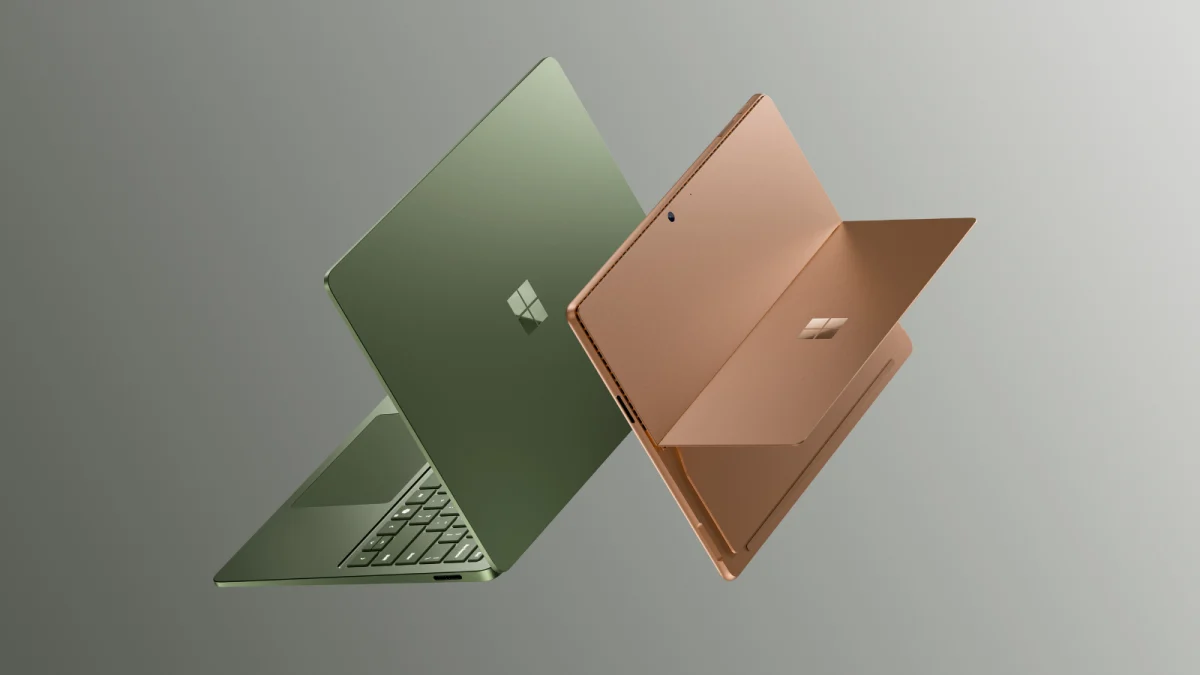
Microsoft has introduced lower cost versions of the Surface Pro 12 inch and Surface Laptop 13 inch with 8GB of RAM, but the new models still cost more than the 16GB versions that launched in 2025. The move reduces the entry price for buyers, though it does so by cutting memory rather than improving value.
The Surface Pro now starts at $849 with 8GB of RAM and 256GB of storage. The smaller Surface Laptop starts at $949 with the same memory and storage configuration. Both models continue to use Qualcomm’s Snapdragon X Plus processor.
Microsoft is presenting these as more affordable Surface options, but the comparison with last year’s launch pricing is difficult to ignore. The original 16GB Surface Pro started at $799, while the 16GB Surface Laptop began at $899. The new models offer half the memory while costing $50 more than those earlier starting prices.
The New Surface Models Lose Copilot+ PC Status
The reduced memory capacity also affects the feature set. Microsoft requires at least 16GB of RAM for a device to qualify as a Copilot+ PC, so the new 8GB Surface Pro and Surface Laptop models do not include the same local AI features as their higher memory versions.
That does not mean the systems cannot run Windows or standard applications properly. They can still handle web browsing, office work, streaming, video calls, and many everyday tasks. However, 8GB is increasingly limited for a modern premium laptop, especially when you keep many browser tabs, apps, and background services open at once.
| Model | New starting price | RAM | Storage | Original 2025 16GB starting price |
|---|---|---|---|---|
| Surface Pro 12 inch | $849 | 8GB | 256GB | $799 |
| Surface Laptop 13 inch | $949 | 8GB | 256GB | $899 |
The higher memory models will remain available. The new 8GB configurations appear limited to the smaller Surface Pro 12 inch and Surface Laptop 13 inch devices, while Microsoft’s larger flagship Surface systems continue to start with 16GB of RAM.
Lower Pricing Does Not Always Mean Better Value
An $849 Surface Pro may sound more accessible than a model priced above $1,000, but memory matters more now than it did several years ago. Windows, web browsers, communication tools, cloud services, and AI features all place greater pressure on system memory.
For basic use, 8GB can still work. It may be enough for students writing documents, people watching video, or anyone using a small number of apps at once. But buyers planning to keep the device for several years may find 16GB much safer, especially because memory is not always upgradeable in thin laptops and tablets.
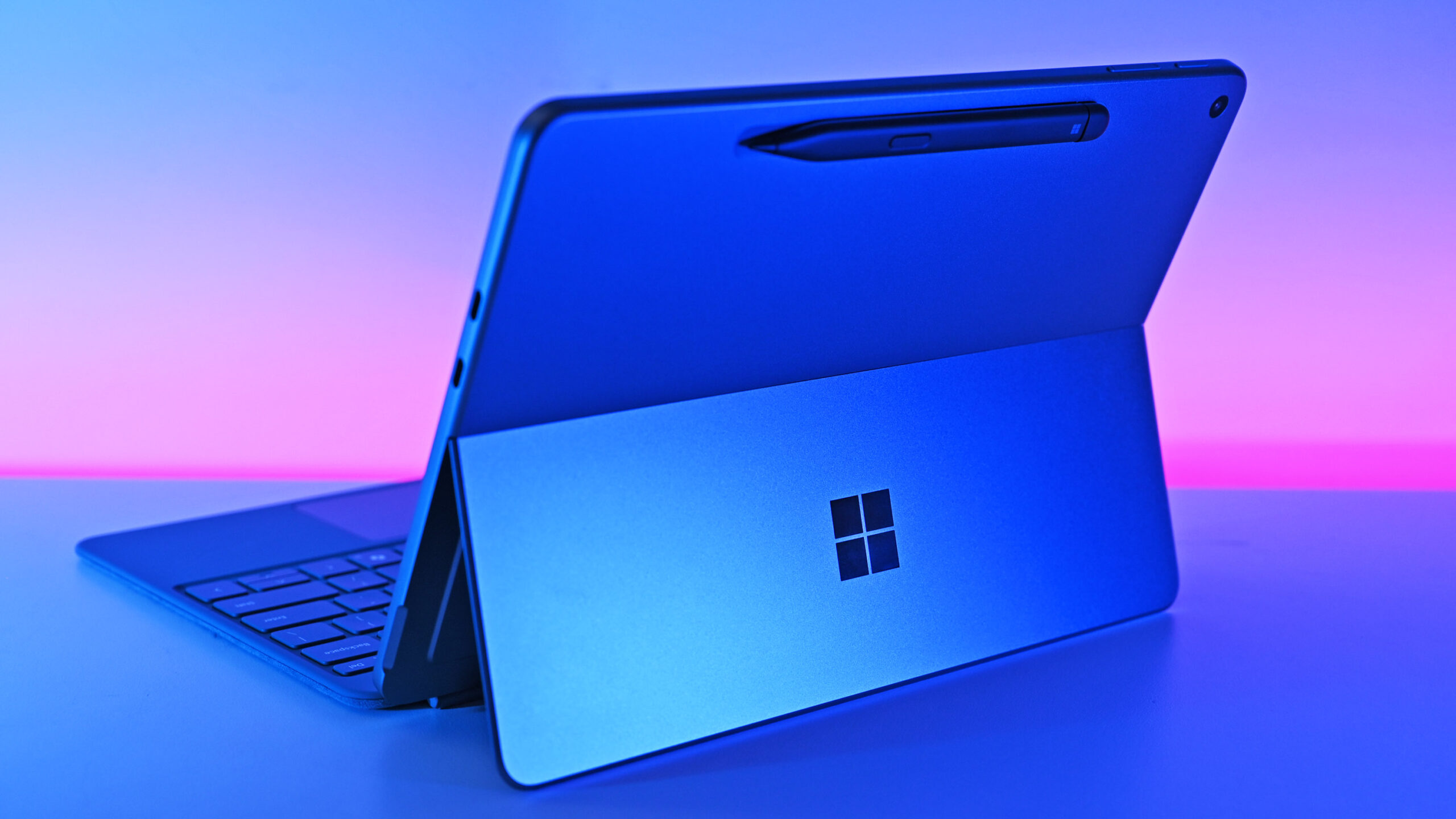
The 8GB models also create a strange value gap in the Surface lineup. Microsoft has lowered the headline price, but buyers are receiving less memory while paying more than the original launch price for a better equipped version.
Buyers Should Look Closely at the 16GB Options
The new Surface devices may appeal to people who want the lowest possible price for a Snapdragon powered Windows laptop. Their long battery life, quiet design, and portable form factor remain useful advantages.
Still, the 16GB models are likely the better choice for anyone who wants stronger multitasking, access to Copilot+ features, and more room for future software demands. The new 8GB configurations lower the barrier to entry, but they do not necessarily offer the best long term value.



Discussion (0)
Be the first to comment.