



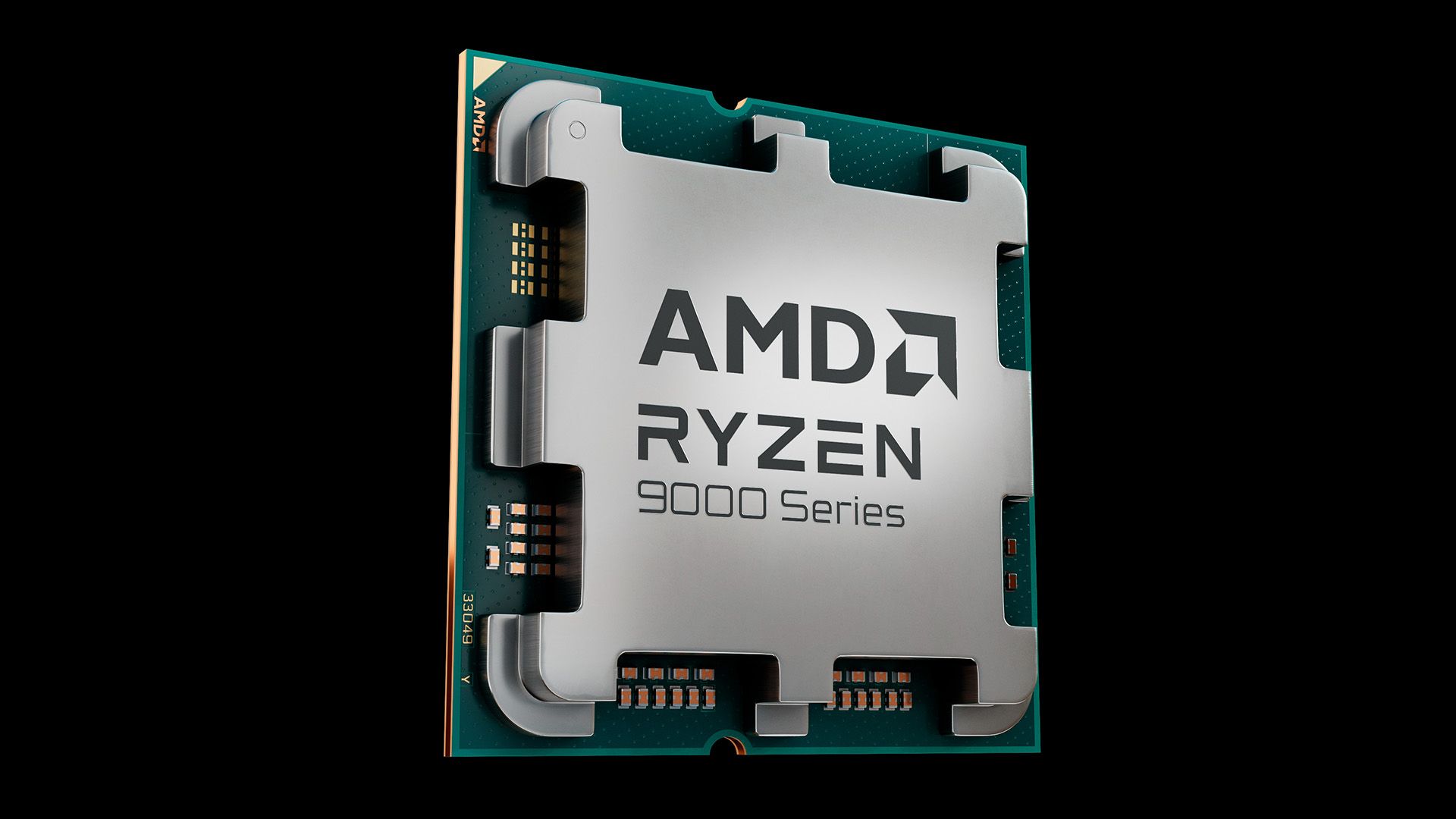
ASUS has started rolling out beta BIOS updates that restore Transparent Secure Memory Encryption support for several AM5 motherboards. The new firmware is available for selected X870, B850, and X670 models across the ROG Crosshair, ROG Strix, TUF Gaming, and ProArt ranges.
The update brings back an important security option for systems running AMD Ryzen 9000 desktop processors. TSME, also known as Transparent Secure Memory Encryption or Memory Guard, encrypts data stored in system memory through a key created by the AMD Secure Processor during startup.
When enabled through the BIOS, the feature operates in the background. It is designed to protect information in memory from certain forms of physical access or low level attacks without requiring software changes from the person using the PC.
The BIOS Update Targets Ryzen 9000 Granite Ridge Processors
The restored feature is intended for AMD’s Granite Ridge desktop family, which includes Ryzen 9000 processors. ASUS is among the first motherboard manufacturers to make the option visible again through a broad beta firmware release.
The BIOS packages are based on AGESA 1.3.0.1b Patch A. This is the AMD firmware foundation used by motherboard makers to add processor support, memory improvements, security features, and other platform updates.
| Chipset family | Example BIOS version | TSME support status |
|---|---|---|
| X870 | 2401 | Added in beta BIOS |
| B850 | 1686 | Added in beta BIOS |
| X670 | 3901 or 3886 | Added in beta BIOS |
The exact version can vary by motherboard model, so PC owners should confirm the BIOS number and supported features for their specific board before installing an update.
TSME Encrypts Data Stored in System Memory
System memory temporarily holds active information while your PC is running. This can include open documents, browser data, passwords, software instructions, and other information used by the operating system and applications.
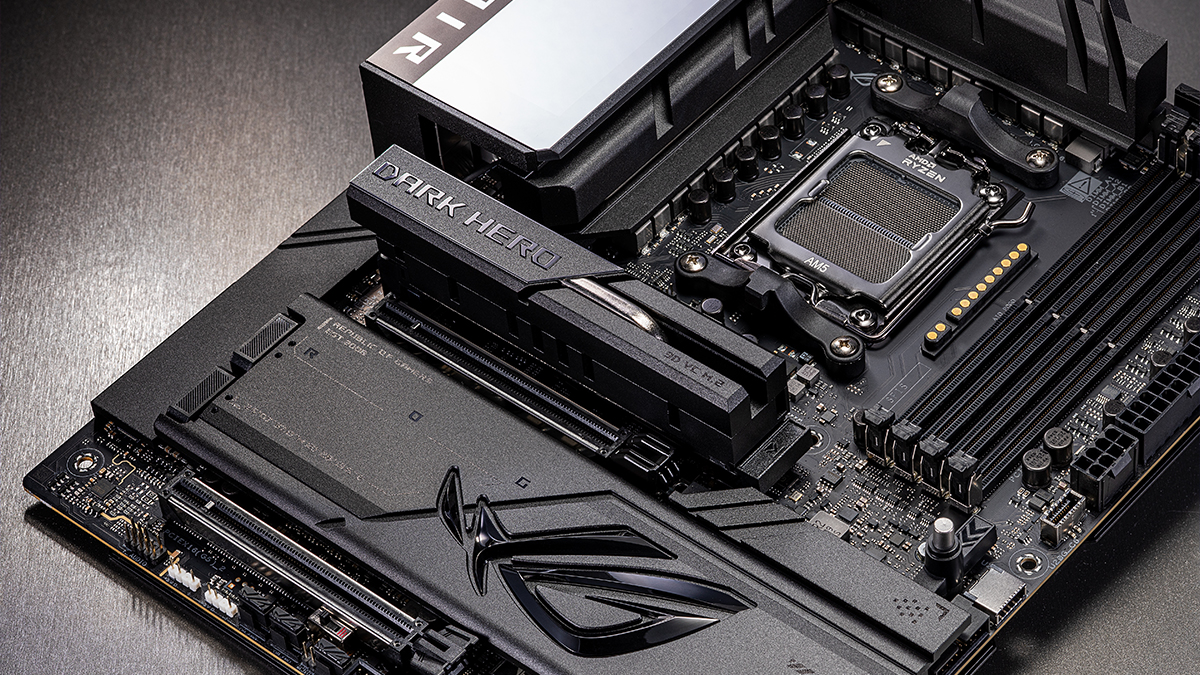
TSME encrypts that data automatically while it is stored in RAM. The process is intended to be transparent, meaning applications should not need special support to use it.
The security feature became a topic of discussion after it was removed from some non PRO Ryzen 9000 systems through a previous update. AMD later confirmed that it planned to return the option, and ASUS now appears to be implementing that change earlier than expected for compatible boards.
For most home PC owners, enabling TSME may not produce an obvious day to day difference. It is a background security feature rather than a performance setting. However, people who work with sensitive files, use shared environments, or simply want more hardware based protection may see value in having the option available.
Beta Firmware Should Be Installed Carefully
These releases are still marked as beta BIOS versions. That means they may not have gone through the same level of final testing as a standard support page release.
Anyone with a stable gaming PC or work system should consider waiting for the final BIOS version, especially if there is no immediate need for TSME. BIOS updates can improve compatibility and security, but they can also reset settings or introduce unexpected issues on some systems.
People who choose to install the beta firmware should avoid using older saved CMOS profiles with the new version. Rebuilding settings manually after the update is the safer approach.
The rollout confirms that TSME support is returning to AM5 desktop systems. ASUS has made the first move with beta firmware, and more final releases from motherboard makers are likely to follow as AMD’s updated platform code becomes widely available.



Discussion (0)
Be the first to comment.