


Meta's Muse assistant can now build you a small app of your own. With spaces, launched on November 6, you describe an idea such as a holiday gift tracker or a trip planner, and Muse turns it into a page that lives inside the app.
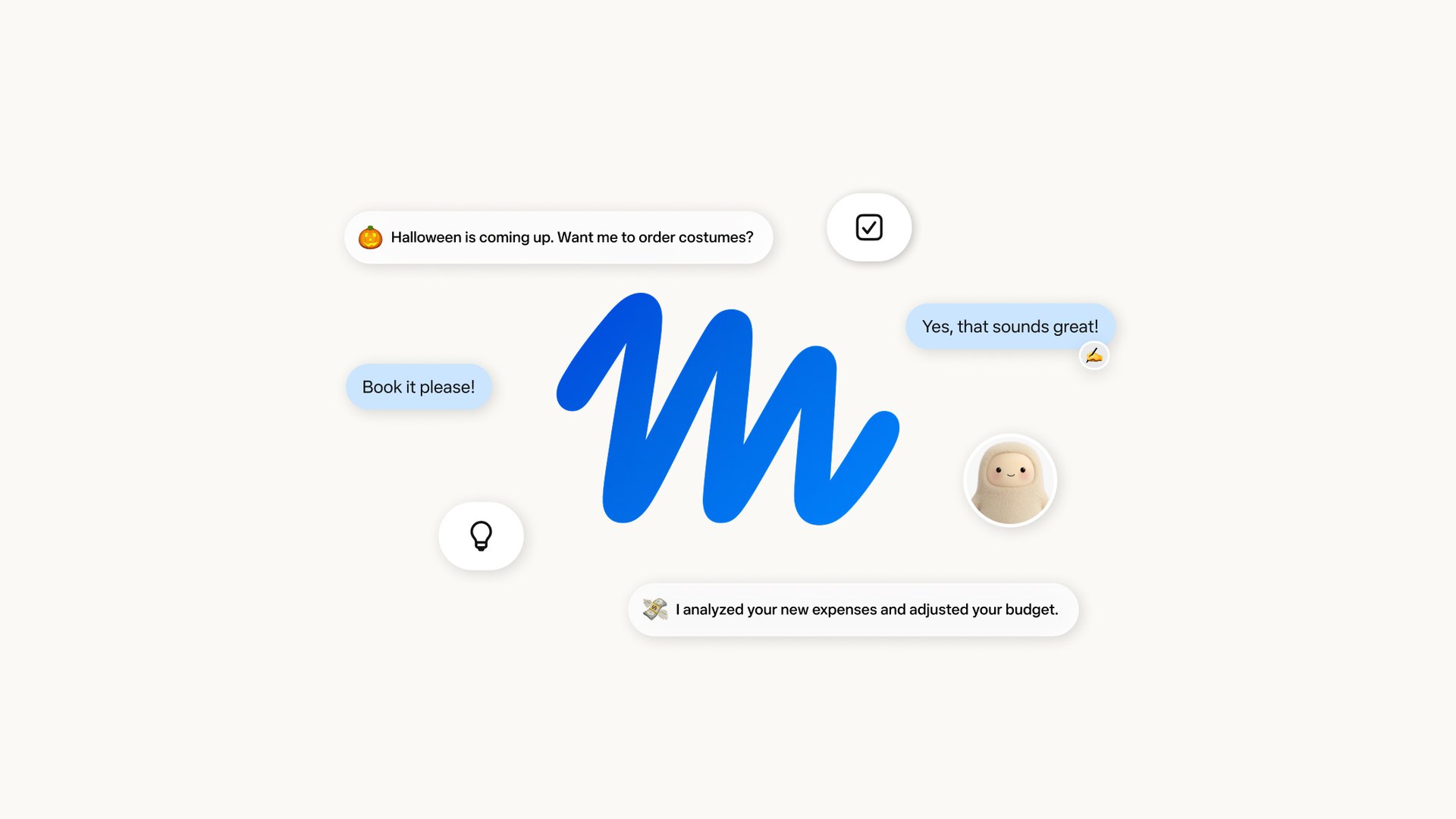
The bigger change is what happens next. A space keeps itself up to date from the apps you connect, which makes Muse less like a chat window and more like a home screen you design by talking.
What Meta's Muse spaces are and how you build one
You start by telling Muse what you want, and it builds the first version. From there you keep refining it in plain language, asking for a missing section, a new look or a different way of working.
Spaces can sit in the sidebar or in the main tabs, and you can hide the ones you do not need. You can also schedule them, so a weekly planner shows up on workdays and gives way to weekend plans on Saturday.
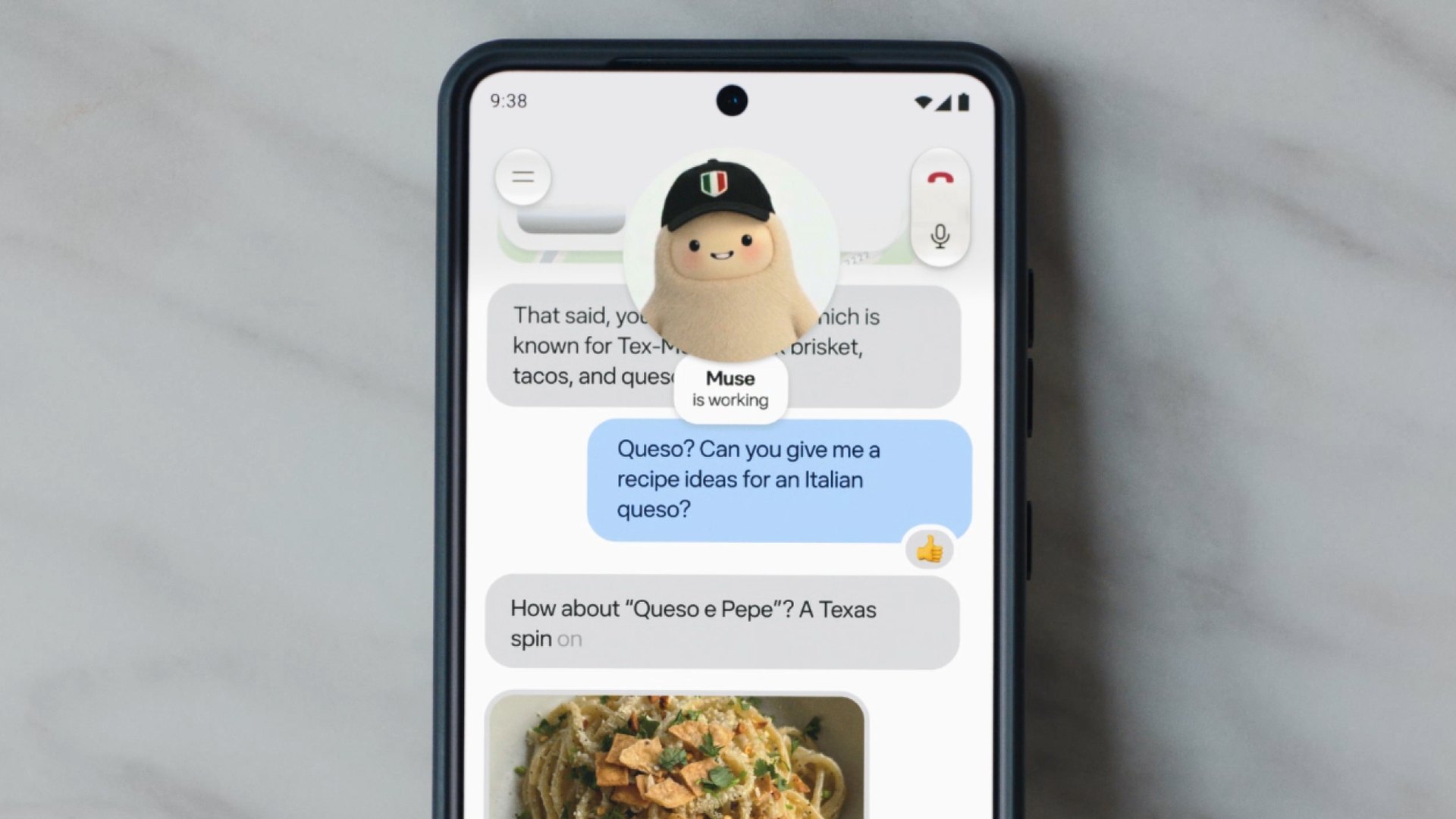
Meta's demo video shows how this looks on a phone. A sidebar lists spaces such as Chess Training, Running, Fantasy Football and a Scotland Trip Planner. When the user asks Muse to book a tee time for Thursday, it replies that it will search golf courses near the hotel and add the result to that trip planner.
What you can build with Muse spaces, from weddings to trivia
Meta gives nine examples, and they split neatly between chores and fun. A shopping hub gathers gift ideas, wishlists from your Instagram saves, and your Marketplace listings and buyer messages in one view. A school dashboard pulls events from your kids' school emails and adds them to your calendar.
The rest cover a wedding planner with RSVPs and vendor invoices, a music tracker for new releases and shows, and a day-by-day trip itinerary. Freelancers get a client hub and small shops get an order tracker. For downtime there is a trivia game about your favorite movies or team, plus a podcast studio for episode ideas and scripts.
You can tick items off, add notes and make edits inside a space, and those changes are still there when you come back. Connected apps feed in updates such as new concert dates, price changes or savings progress without you having to ask.
Why Muse spaces work best with your email and Instagram connected
That self-updating trick is also the catch. A school dashboard is only useful if Muse can read your email, and a shopping hub needs your Instagram and Marketplace activity. The announcement does not list which apps can feed a space, nor whether any of it costs extra.
The safeguards are the ones Muse launched with in September. According to Meta's launch post, each user's agent runs on its own dedicated cloud computer, and a separate Sentinel agent must approve anything it sends to the internet. You choose whether Muse can only read your mail or also send it, and it checks with you before sending an email or making a purchase.
Spaces also arrived alongside a quieter upgrade. Specialized models trained on lessons from Muse Wonder are rolling out to Muse and Meta AI, with an Active Memory feature that Meta says cuts forgetting of critical details by 2.4 times. The company also reports a 67% improvement on everyday tasks that hit unexpected problems, though both figures come from its own tests.
Where Muse spaces are available and what comes next
Spaces are available everywhere Muse is, which so far means the US and Singapore on iOS, Android and the muse.ai website. Muse itself is free for most everyday use, with paid subscriptions for people who want more. The app shares its name with Meta's Muse model family, which also includes the open-weight Muse Glimmer 30B for local AI.
The launch capped a busy week. Muse Voice, with real-time conversations and an animated avatar, arrived a day earlier, and Google showed its Gemini app turning a hand-drawn sketch into a working app on November 5. The pitch is shifting from better answers to tools you shape yourself, a step beyond assistants like Gemini learning to work across almost any app on a Mac.
For now, every space is personal. Meta says it is exploring ways to share spaces with other people, which would let you hand that wedding planner or trip itinerary to someone else. It has not said when that will arrive.



Discussion (0)
Be the first to comment.