


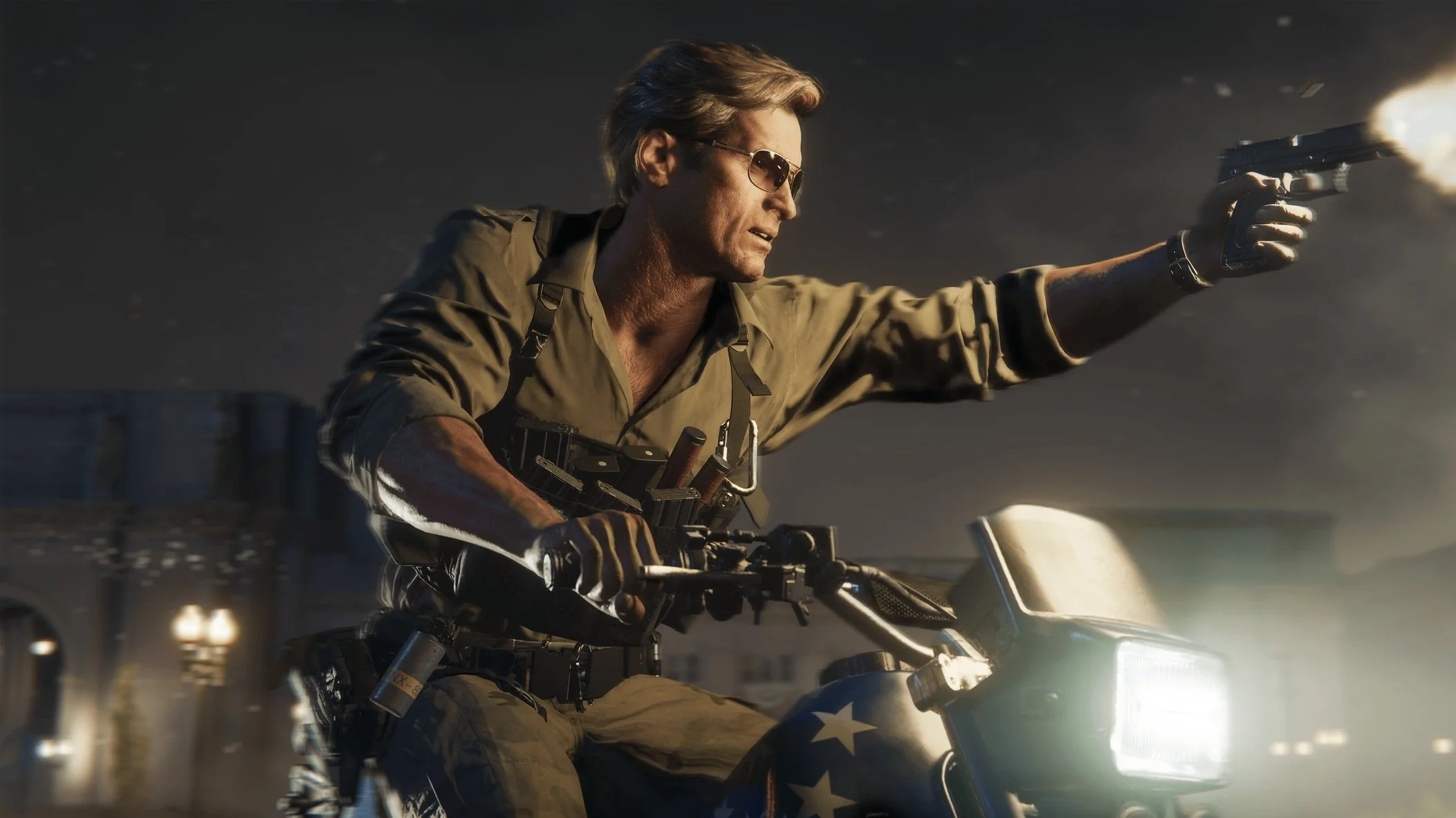
Jack Wall, the composer behind the original Mass Effect and Mass Effect 2, has criticized the growing use of artificial intelligence to replace human creativity in video games.
Speaking in a recent interview, Wall argued that AI can be useful during the creative process, provided that human artists remain responsible for the final decisions.
However, he expressed strong opposition to AI generated music replacing work created by professional composers.
Wall believes that artistic expression depends on human experiences, emotions and communication, qualities he does not believe machines can reproduce.
His comments come as the gaming industry continues to debate how generative AI should be used in music production, game development and other creative activities.
Jack Wall Believes AI Music Relies on Existing Creative Work
Wall explained that he does not object to every application of artificial intelligence in game development.
Instead, he draws a distinction between using AI as an assisting tool and allowing it to replace the creative work of people.
"I think as long as it's a creative tool to get you going, it's fine," Wall said.
He suggested that AI could help composers explore ideas or begin working on a piece of music, as long as they continue making the important artistic decisions themselves.
However, Wall is concerned about AI systems generating complete musical compositions by drawing on patterns found in existing work.
From his perspective, this approach does not provide the same artistic value as music developed through human creativity.
His position reflects a broader concern among professional artists about how generative AI systems are trained and whether their output could reduce opportunities for people working in creative industries.
Mass Effect Composer Says Machines Cannot Become Artists
Wall also questioned whether artificial intelligence can genuinely create art.
"AI is not an artist," he said, arguing that the purpose of art is rooted in human communication.
He believes that music carries meaning because people use it to express ideas, experiences and emotions.
This perspective is particularly relevant to video game soundtracks, where music often plays an important role in establishing atmosphere and supporting narrative moments.
In games such as Mass Effect, musical compositions help communicate the tone of the setting and reinforce important events throughout the story.
Wall's work on the first two Mass Effect games contributed to the science fiction series' recognizable musical identity.
His comments suggest that although AI can generate music resembling existing compositions, he does not consider that sufficient to replace the creative judgment of a human composer.
Other Game Composers Have Raised Similar Concerns
Wall is not the only established video game composer speaking against the replacement of human artists with generative AI.
Jason Graves, who worked on Call of Duty: Modern Warfare 4, has also questioned the technology's ability to reproduce human creativity.
Graves argued that music involves more than arranging musical notes into a composition.
He emphasized the importance of emotional understanding, personal experiences and artistic intention when creating soundtracks.
Other developers and composers have similarly expressed concerns about studios relying on AI generated content rather than investing in experienced creative professionals.
These discussions have become increasingly relevant as AI tools develop capabilities involving music, dialogue, images, animation and other production tasks.
AI Remains a Divisive Subject in Video Game Development
Artificial intelligence is already used across different areas of the gaming industry, although its applications vary considerably.
Technologies such as AI assisted upscaling and rendering focus primarily on improving graphics performance or visual presentation.
Generative AI used to create music, artwork and other creative assets raises different questions about authorship, originality and professional employment.
Wall's comments focus specifically on the creative side of the industry.
He accepts that AI may provide practical assistance during production, but believes human artists should remain responsible for determining what a finished work communicates.
As more studios experiment with generative AI, the distinction between assisting creative professionals and replacing their work is likely to remain an important subject of debate.
For Wall, the central concern is preserving the role of human creativity in the music and artistic experiences that help define video games.


Discussion (0)
Be the first to comment.