



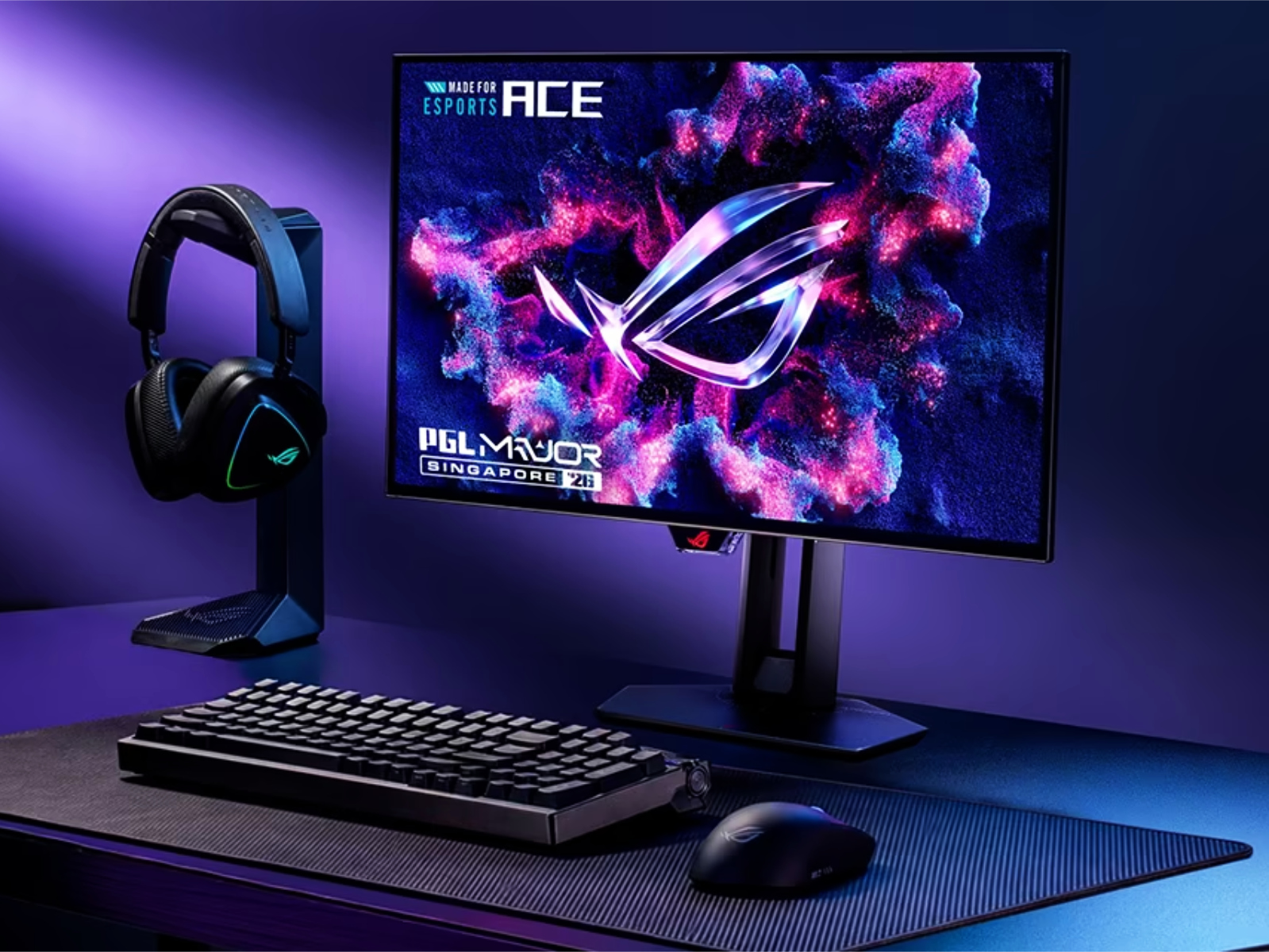
LG has introduced what it says is the world's first 24.5 inch OLED panel capable of running at a 720Hz refresh rate, targeting competitive esports players who prioritize motion clarity and response speed.
The new panel operates at 1920 x 1080 resolution and is rated for a 0.02ms response time. LG says the combination is designed to reduce motion blur and ghosting in fast games such as first person shooters and racing titles.
Mass production has started, and ASUS is among the first manufacturers adopting the panel.
720Hz targets the esports market
A 720Hz refresh rate means the display can update up to 720 times every second.
That level of refresh rate is well beyond what most mainstream gaming monitors currently offer, but it is increasingly relevant in competitive games where extremely high frame rates can be achieved with powerful hardware and reduced graphics settings.
LG says it developed a proprietary driving algorithm that allows the panel to maintain the 720Hz refresh rate while still running at full 1080p resolution.
| Specification | LG 24.5 inch Gaming OLED |
|---|---|
| Panel size | 24.5 inches |
| Resolution | 1920 x 1080 |
| Refresh rate | Up to 720Hz |
| Response time | 0.02ms |
| Panel technology | OLED |
| Main target | Competitive esports |
| Pixel control | Per pixel |
| First confirmed monitor | ASUS ROG Swift OLED PG259QWS Ace |
OLED also has an advantage over conventional LCD panels because each pixel produces its own light rather than relying on a separate backlight.
That allows true black levels, strong contrast and very fast pixel transitions without the haloing associated with some backlit LCD designs.
ASUS is already using the panel
One of the first products based on the new panel is the ASUS ROG Swift OLED PG259QWS Ace.
The monitor uses a 24.5 inch TrueBlack Glossy Tandem WOLED panel with a 720Hz refresh rate and 0.02ms response time. ASUS lists peak brightness at up to 1,700 nits.
The monitor has also been selected as the official esports display for the PGL CS2 Major Singapore 2026.
ASUS is offering several related 24.5 inch esports OLED models with different refresh rates and panel technologies.
| Model | Panel | Refresh rate | Response time | Peak brightness |
|---|---|---|---|---|
| ROG Swift OLED PG259QWS Ace | Tandem WOLED | 720Hz | 0.02ms | 1,700 nits |
| ROG Strix OLED XG259QWPG Ace | Tandem WOLED | 540Hz | 0.02ms | 1,700 nits |
| ROG Strix OLED XG259QDPG Ace | RGB QD OLED | 560Hz | 0.03ms | 1,800 nits |
| ROG Strix OLED XG259QDNS Ace | RGB QD OLED | 360Hz | 0.03ms | 1,800 nits |
Motion clarity is the main advantage
The biggest benefit of such a high refresh rate is improved clarity during rapid movement.
In competitive shooters, quick camera turns, muzzle flashes and fast moving opponents can become easier to track when the display refreshes more frequently and pixels transition faster.
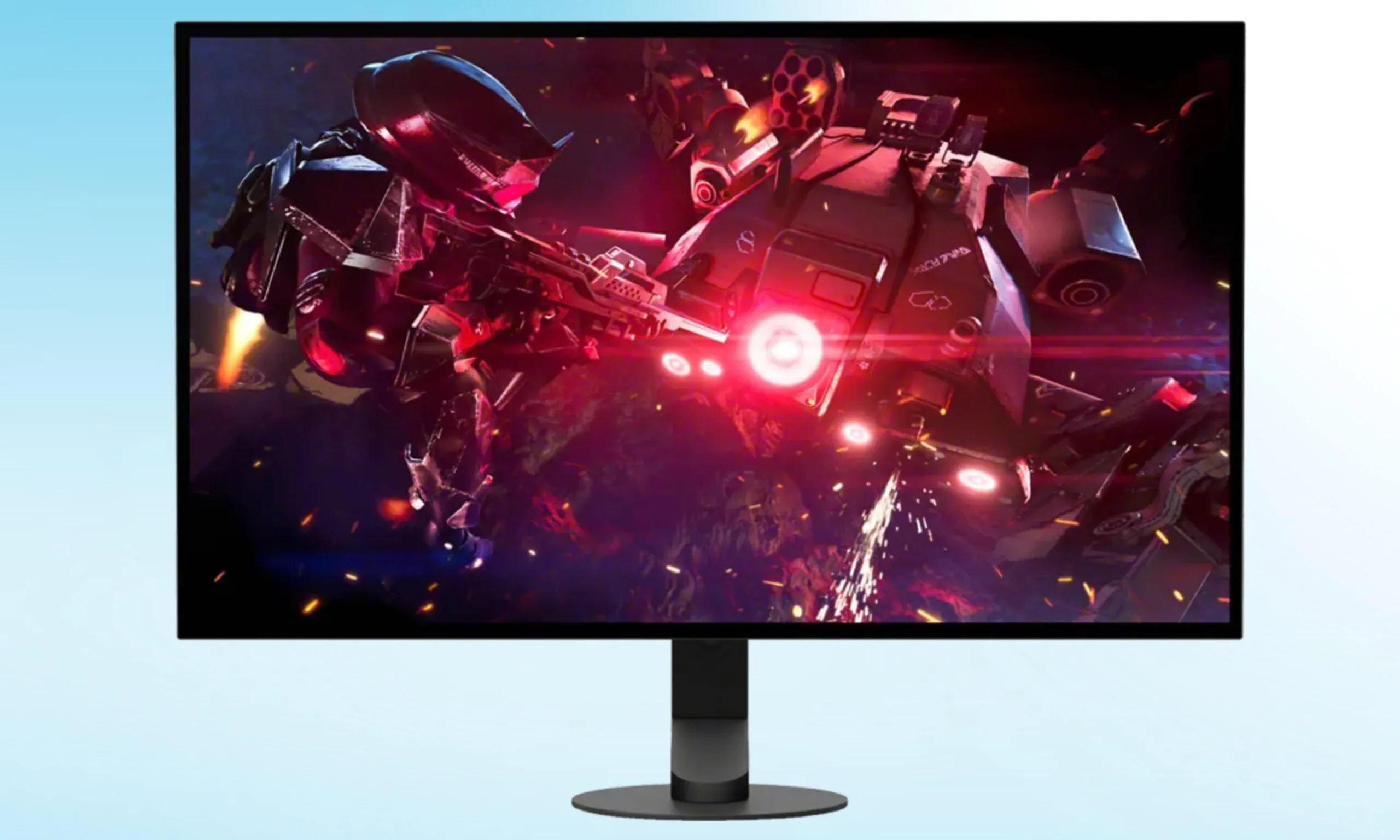
The 0.02ms response time also helps reduce visible smearing compared with slower LCD panels.
There are practical limits, however. To make full use of a 720Hz display, your system needs to generate extremely high frame rates. That is more realistic in esports titles such as Counter Strike 2 than in demanding modern AAA games.
Technologies such as upscaling and frame generation can increase output frame rates in some games, but competitive players generally care most about native responsiveness and low latency.
LG wants OLED to become more common in esports monitors
Competitive gaming monitors have traditionally relied heavily on LCD technology because high refresh rate TN and IPS panels were easier and cheaper to produce.
OLED manufacturers are now moving into the same segment with smaller panels and rapidly increasing refresh rates.
LG says the new 24.5 inch panel is part of a broader strategy covering gaming displays from the 20 inch class through larger 40 inch models.
Some products will also use Dynamic Frequency and Resolution technology, which allows displays to switch between different combinations of resolution and refresh rate depending on the workload.
With mass production now underway, the 720Hz panel shows how quickly OLED is moving into a part of the monitor market that was previously dominated by ultra fast LCD designs.

Discussion (0)
Be the first to comment.